Kami sangat senang Anda berada di sini. Sebelum membahas konten hari ini, kami ingin terhubung dengan Anda di luar halaman ini. Di saluran media sosial kami, kami secara rutin membagikan wawasan industri terbaru, inovasi produk, pembaruan di balik layar, dan kiat praktis — ini juga merupakan tempat yang tepat bagi kami untuk terlibat dan berinteraksi langsung dengan Anda!
Ikuti kami di:
- Facebook: Linyang Huayang Machinery Co., Ltd.
Mari kita tumbuh, belajar, dan berinovasi bersama.
Daftar isi
Perkenalan
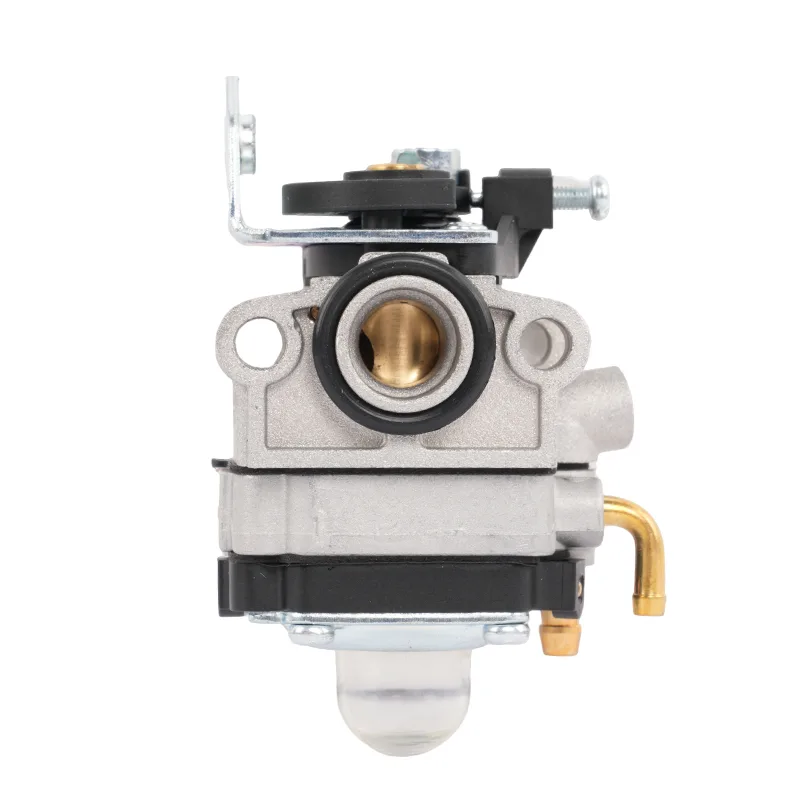
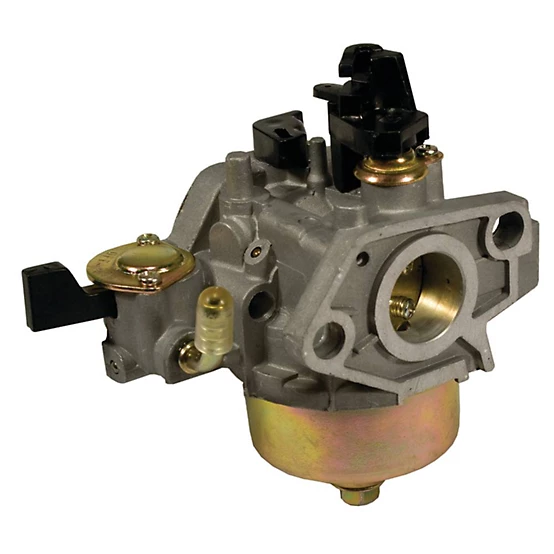
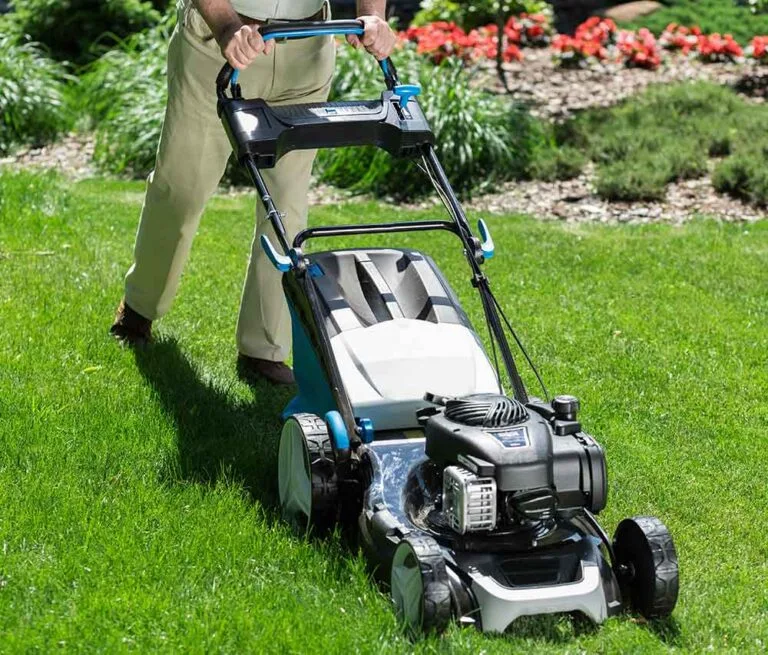
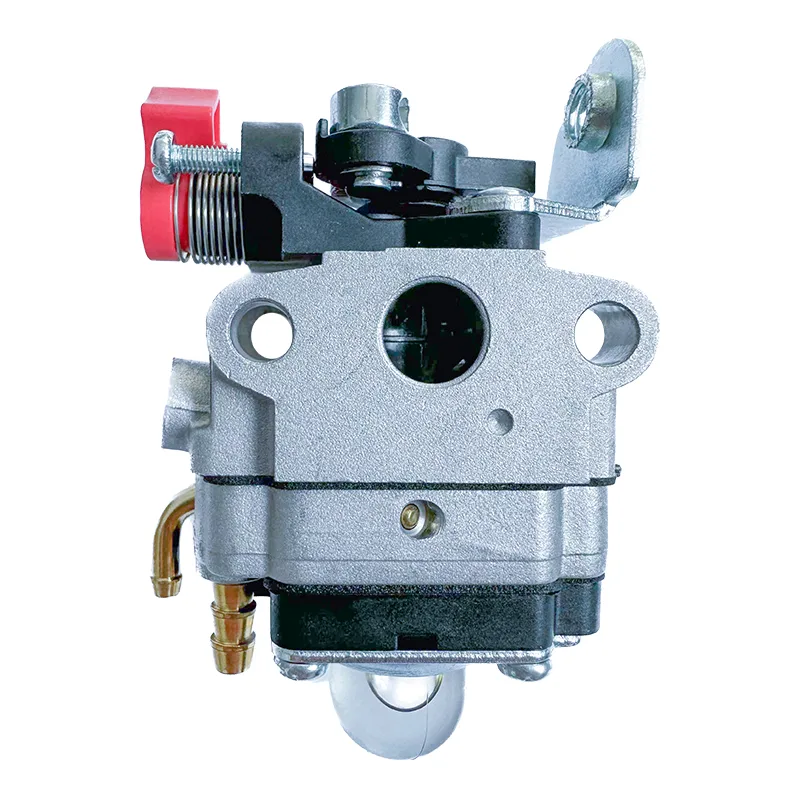
Baik Anda memelihara mesin pemotong rumput di halaman belakang atau mengelola armada mesin pertanian kecil, itu karburator memainkan peran penting dalam kinerja mesin. Sering diabaikan hingga gagal, karburator adalah sistem pernapasan dan pengiriman bahan bakar mesin. Menurut penelitian efisiensi pembakaran di mesin kecil, pencampuran air φfuel yang tidak tepat dapat mengurangi output daya sehingga 25% dan meningkatkan emisi sebesar 30͕45%, yang mempengaruhi ekonomi bahan bakar dan kesehatan mesin jangka panjang. Memilih yang Karburator Terbaik bukan hanya pemeliharaan — itu investasi dalam keandalan, efisiensi, dan keberlanjutan kinerja.
Apa yang Sebenarnya Dilakukan Karburator
Kimia Pembakaran
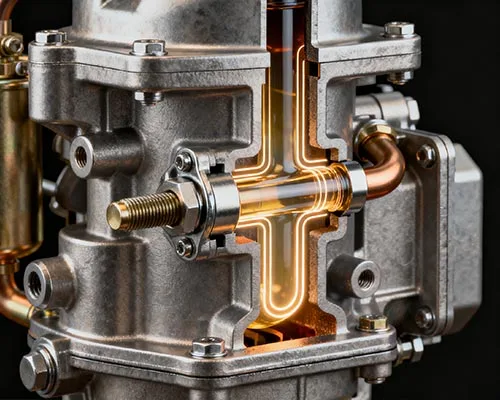
Peran karburator adalah untuk memadukan bahan bakar dan udara menjadi kabut halus yang optimal untuk pembakaran. Dalam mesin bensin empat‑tak, bahan bakar memasuki intake manifold, bercampur dengan udara dalam proporsi yang tepat, dan terbakar selama power stroke. Ketika campuran ini benar, puncak efisiensi pembakaran dekat AirFuel Ratio (AFR) ideal dari 14.7:1 untuk mesin bensin — berarti 14,7 bagian udara untuk 1 bagian bahan bakar berdasarkan massa.
Mengapa Rasio Air̂Fuel Penting
- Campuran ramping (terlalu banyak udara): Dapat menyebabkan ketukan, panas berlebih, dan respons throttle yang buruk.
- Campuran kaya (terlalu banyak bahan bakar): Mengarah ke asap hitam, busi kotor, dan penumpukan deposit.
- Optimal AFR: Meningkatkan daya, mengurangi emisi, dan memperpanjang umur komponen.
Jenis Karburator Digunakan dalam Mesin Pemotong Rumput dan Peralatan Pertanian
Untuk memilih Karburator Terbaik, Anda harus memahami bagaimana setiap jenis berfungsi:
Karburator Tipe Float‑Type — Paling Umum untuk Mesin Horisontal
Karburator tipe Float‑type mempertahankan tingkat bahan bakar yang konsisten dengan menggunakan mangkuk pelampung, mirip dengan tangki toilet. Ketika bahan bakar turun, pelampung membuka katup masuk, mempertahankan pasokan bahan bakar yang stabil. Ini bekerja dengan baik pada mesin yang dipasang datar ‑ dipasang tetapi dapat banjir atau kelaparan jika mesin miring.
Karburator Diafragma — Untuk Peralatan Portabel dan Sudut
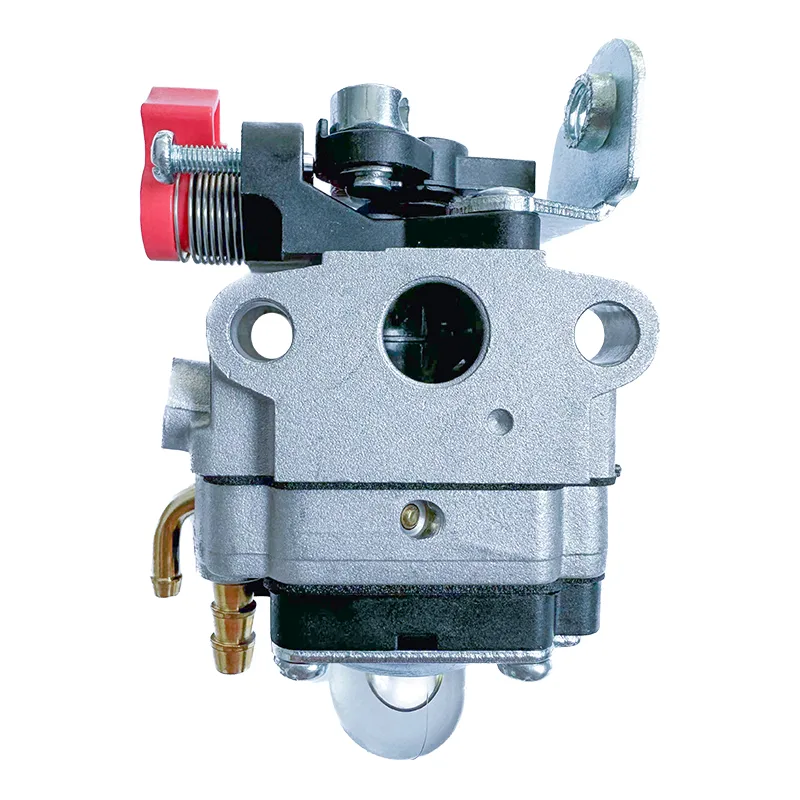
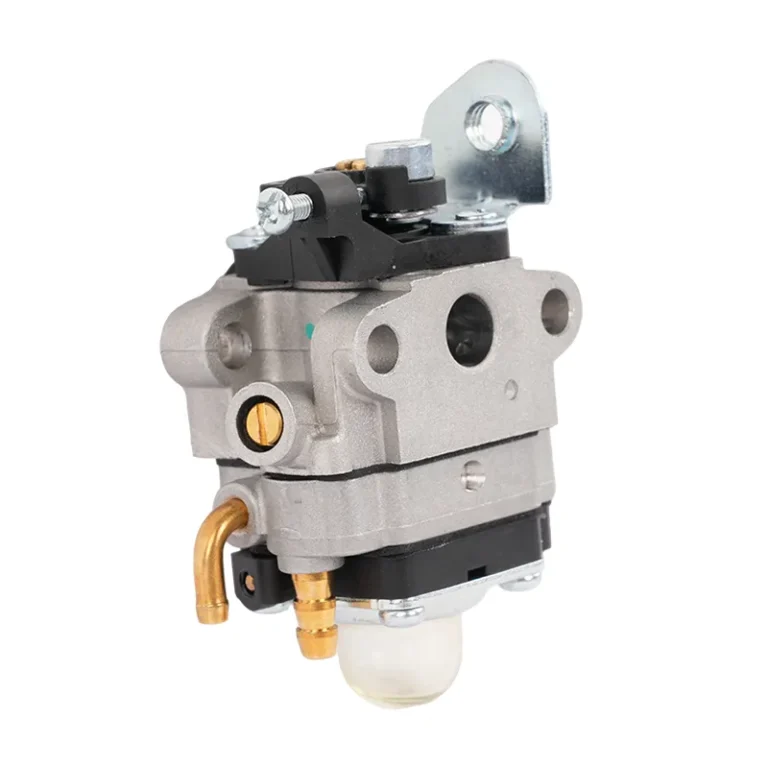
Diafragma karburator gunakan membran fleksibel untuk mengukur bahan bakar. Karena mereka tidak bergantung pada gravitasi, mereka ideal untuk alat genggam atau multi‑orientasi seperti pemotong sikat dan pemangkas.
Karburator Adjustable — Untuk Penyetelan Presisi
Hal ini memungkinkan penyempurnaan sekrup idle dan campuran utama, memungkinkan optimalisasi kinerja untuk variasi ketinggian, suhu, dan beban.
Tabel Perbandingan — Jenis Karburator dan Kasus Penggunaan
| Fitur / Persyaratan | Float‑Type | Diafragma | Dapat disesuaikan |
|---|---|---|---|
| Orientasi | Hanya datar | Sudut apapun | Kebanyakan datar |
| Kemudahan Penyesuaian | Moderat | Low | High |
| Kesesuaian | Mesin pemotong rumput | Alat genggam | Traktor & mesin yang lebih berat |
| Kontrol Pengiriman Bahan Bakar | Standard | Fleksibel | Tepat |
Standar dan Peraturan yang Mempengaruhi Kinerja Karburator
Standar Mesin Yang Mempengaruhi Desain Karburator
Optimalisasi karburator dipengaruhi oleh emisi mesin dan standar diagnostik:
- SAE J1979 — Mendefinisikan bagaimana data diagnostik mesin, termasuk AFR dan efisiensi pembakaran, harus ditafsirkan.
- Seri ISO 8178 — Didirikan untuk mengukur emisi non‑jalan raya; secara tidak langsung mempengaruhi desain karburator untuk pembakaran yang lebih bersih.
Persyaratan Lingkungan dan Efisiensi
Di wilayah dengan undang-undang emisi yang ketat, seperti standar EPA Tier 4 dan EU Stage V, pencampuran airφfuel yang efektif meningkatkan kepatuhan. Sementara mesin kecil secara historis tertinggal dari peraturan otomotif, standar pengetatan mendorong desain karburator yang lebih baik.
Faktor Kunci yang Perlu Dipertimbangkan Saat Memilih Karburator Terbaik
Kompatibilitas Ukuran Mesin
Kapasitas karburator harus selaras dengan perpindahan mesin. Ketidakselarasan dapat mengurangi efisiensi volumetrik, meningkatkan konsumsi bahan bakar dan berjalan kasar.
Penyesuaian Campuran Air ¡Fuel
Karburator yang memungkinkan penyesuaian sirkuit idle dan utama memberikan keserbagunaan yang lebih besar untuk beradaptasi:
- altitude
- perubahan suhu musiman
- campuran bahan bakar yang berbeda
Bahan dan Membangun Kualitas
Bahan berkualitas tinggi tahan terhadap korosi, getaran, dan tantangan lingkungan yang khas:
- Paduan aluminium: Ringan dan tahan korosi‑tahan
- Jet kuningan: Menjaga stabilitas dimensi dari waktu ke waktu
- Diafragma multi‑layer: Tahan degradasi bahan bakar
Dampak Lingkungan dan Operasional

Ketinggian dan Kepadatan Udara
Kepadatan udara menurun dengan ketinggian (sekitar 3% per 1.000 kaki). Pada 5.000 kaki, mesin membutuhkan jet yang lebih ramping secara signifikan untuk mempertahankan pembakaran yang efisien. Karburator yang dapat disesuaikan memungkinkan pengguna untuk mengkompensasi tanpa derating mesin.
Masalah Kualitas Bahan Bakar
Campuran etanol dalam bensin dapat menarik kelembaban dan menyebabkan pernis atau penumpukan gusi. Komponen karburator yang mentolerir efek etanol mempertahankan operasi jangka panjang yang lebih baik.
Optimasi dan Tuning Kinerja
Apa Arti Sebenarnya “Terbaik” dalam Kinerja Karburator
Kinerja harus dievaluasi pada kriteria yang terukur:
- Stabilitas pembakaran
- Kualitas menganggur
- Responsif terhadap throttle
- Perilaku re‑akselerasi
Teknik Optimasi
- Pengubahan ukuran jet untuk ketinggian atau jenis bahan bakar
- Menyesuaikan posisi jarum untuk kondisi beban
- Fine‑tuning idle speed untuk transisi mesin yang lebih halus
Praktik Pemeliharaan yang Mempertahankan Efisiensi Karburator
Pembersihan dan Inspeksi Berkala
Pemeliharaan rutin meningkatkan umur panjang mesin:
- Hapus deposit dari jet dan lorong
- Periksa ketinggian pelampung
- Periksa fleksibilitas diafragma
Memecahkan Masalah Gejala Umum
| Gejala | Kemungkinan Penyebab Karburator |
|---|---|
| Awal yang sulit | Float yang banjir atau jet idle yang tersumbat |
| Mesin ragu-ragu | Campuran utama tanpa lemak |
| Knalpot hitam | Campuran idle yang kaya |
| Mengulur-ulur waktu | Kelaparan bahan bakar |
Studi Kasus Real‑Dunia

Studi Kasus: Mesin Pemotong Rumput dalam Kondisi Basah
Seorang pemilik rumah di wilayah lembab melaporkan bahwa kinerja karburator pelampung standar memburuk selama musim hujan. Setelah re‑kalibrasi dan meningkatkan kontrol campuran, stabilitas idle meningkat dan frekuensi terhenti turun secara signifikan.
Studi Kasus: Traktor Kecil di Medan Tidak Rata
Peralatan pertanian yang digunakan di ladang berbukit mengalami ketidakkonsistenan kinerja. Karburator dengan penyesuaian dan manajemen uap yang unggul mengurangi drop‑off daya selama perubahan ketinggian, meningkatkan keandalan operasi.
Pertanyaan yang Sering Diajukan (FAQ)
Bagaimana Saya Tahu Jika Saya Karburator Apakah Kompatibel?
Verifikasi perpindahan mesin, orientasi intake, dan konfigurasi linkage yang ada. Manual dan spesifikasi OEM adalah titik referensi yang berharga.
Berapa Rasio AirFuel Optimal?
Rasio stoikiometri untuk bensin adalah 14.7:1, tetapi mesin real‑world sering berjalan sedikit lebih kaya (13.5͕14.0:1) untuk daya tahan dan pendinginan.
Bisakah Karburator Disetel untuk Perubahan Musim?
Ya — dengan menyesuaikan sekrup campuran dan pengaturan jarum, kinerja dapat dioptimalkan untuk panas musim panas atau dingin musim dingin.
Seberapa Sering Saya Harus Melayani Karburator?
Untuk peralatan pertanian yang sering digunakan, periksa setiap 50 jam operasi atau setidaknya sekali per musim.
Apakah Karburator Aftermarket Dapat Diandalkan?
Karburator aftermarket berkualitas tinggi mematuhi standar kinerja dan sering menawarkan fleksibilitas penyetelan lebih dari komponen stok.
Kesimpulan
Memilih Karburator Terbaik melampaui penggantian bagian. Ini melibatkan pemahaman prinsip pembakaran, kondisi lingkungan, tuntutan mesin, dan disiplin pemeliharaan. Dengan mengevaluasi jenis karburator, karakteristik kinerja, penyesuaian, dan pola penggunaan dunia nyata, Anda memastikan mesin pemotong rumput, traktor, atau mesin Anda bekerja pada efisiensi puncak — secara konsisten dan andal.