Chúng tôi rất vui mừng chào đón bạn đến đây. Trước khi đi sâu vào nội dung hôm nay, chúng tôi rất muốn kết nối với bạn ngoài trang này. Trên các kênh truyền thông xã hội của mình, chúng tôi thường xuyên chia sẻ những thông tin chuyên sâu mới nhất về ngành, các sản phẩm đổi mới, những cập nhật hậu trường và các mẹo hữu ích — đây cũng là nơi hoàn hảo để chúng tôi tương tác trực tiếp với bạn!
Theo dõi chúng tôi trên:
- Facebook: Công ty TNHH Máy móc Lâm Dương Huayang.
Hãy cùng nhau phát triển, học hỏi và đổi mới.
Mục lục
Những điểm chính cần ghi nhớ
- Lựa chọn bộ chế hòa khí tác động trực tiếp đến hiệu suất khởi động máy cắt Honda, hiệu quả sử dụng nhiên liệu và tuổi thọ động cơ
- Qua lại 60% của lỗi động cơ nh có liên quan đến các vấn đề về hệ thống nhiên liệu hoặc bộ chế hòa khí theo phân tích ngành sửa chữa động cơ nhỏ
- Khả năng tương thích với mô hình động cơ quan trọng hơn thương hiệu hoặc giá cả một mình
- OEM và bộ chế hòa khí hậu mãi mỗi cung cấp những lợi thế riêng biệt tùy thuộc vào kịch bản sử dụng
- Độ chính xác của tỷ lệ nhiên liệu-không khí là rất quan trọng để đốt cháy ổn định và phản ứng của động cơ
- Chất lượng vật liệu quyết định độ bền lâu dài và khả năng chống ăn mòn
- Lựa chọn phù hợp có thể giảm chi phí bảo trì lên tới 30–45% theo thời gian
Giới thiệu
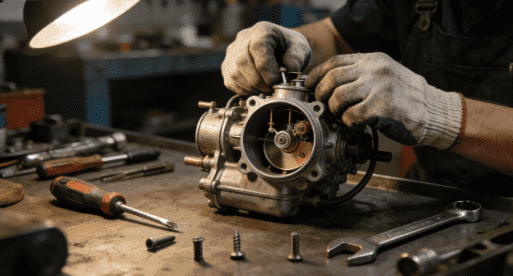
Khi máy cắt cỏ Honda không khởi động hoặc chạy không đều, hầu hết người dùng ngay lập tức nghi ngờ động cơ bị hỏng.Tuy nhiên, trong thống kê bảo trì thực tế, bộ chế hòa khí là một trong những thành phần thường xuyên được thay thế nhất trong động cơ xăng nh.
Một bộ chế hòa khí có trách nhiệm trộn không khí và nhiên liệu theo tỷ lệ chính xác trước khi đốt.Ngay cả một sai lệch nhỏ trong hỗn hợp này có thể dẫn đến khởi động cứng, không ổn định nhàn rỗi, tiêu thụ nhiên liệu quá mức hoặc tắt máy hoàn toàn.
Theo dữ liệu ngành công nghiệp sửa chữa động cơ nhỏ được công bố trong sách trắng bảo trì cơ khí, hơn 60% của thất bại máy cắt không điện được liên kết với việc cung cấp nhiên liệu hoặc trục trặc bộ chế hòa khí. điều này làm cho sự hiểu biết máy cắt honda bộ chế hòa khí lựa chọn không chỉ là quyết định mua hàng, mà là đầu tư hiệu suất dài hạn.
Ngoài ra, các báo cáo về phụ tùng hậu mãi toàn cầu cho thấy việc lựa chọn bộ chế hòa khí không đúng cách là một trong những nguyên nhân hàng đầu dẫn đến chu kỳ sửa chữa lặp đi lặp lại, làm tăng chi phí bảo trì lên tới 35% hàng năm đối với người dùng thường xuyên.
Hướng dẫn mở rộng này cung cấp một sự cố sâu hơn, có cấu trúc và thông tin kỹ thuật về cách chọn bộ chế hòa khí phù hợp cho máy cắt cỏ Honda.
Bộ chế hòa khí Khung mua máy cắt Honda Tổng quan
Khái niệm: Nguyên tắc toàn vẹn hệ thống nhiên liệu
Một bộ chế hòa khí không hoạt động độc lập.Nó là một phần của hệ thống nhiên liệu hoàn chỉnh bao gồm:
- Bình xăng
- Đường dẫn nhiên liệu
- Hệ thống nạp khí
- Buồng đốt động cơ
Bất kỳ sự không phù hợp nào trong hệ thống này đều ảnh hưởng đến hiệu suất tổng thể.
Hiểu biết sâu sắc về ngành: Tại sao hầu hết các thất bại đều bị chẩn đoán sai
Báo cáo dịch vụ cơ khí cho thấy:
- 40% của máy cắt “động cơ hỏng” các trường hợp thực sự liên quan đến bộ chế hòa khí
- 25% là do máy bay phản lực bị tắc hoặc chất lượng nhiên liệu kém
- Chỉ một số ít liên quan đến hư hỏng động cơ bên trong
Điều này nhấn mạnh tầm quan trọng của việc lựa chọn thành phần chính xác trước khi thay thế.
1. bộ chế hòa khí Honda Mower Tương thích Kỹ thuật Tiêu chuẩn
Khái niệm: Hệ thống kết hợp dành riêng cho động cơ
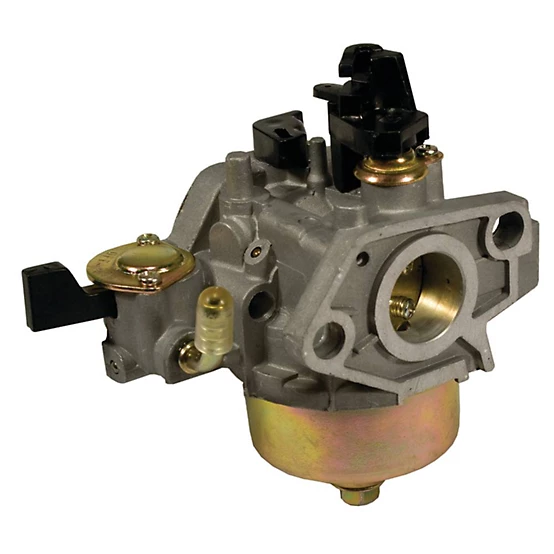
Khả năng tương thích là yếu tố quan trọng nhất trong việc lựa chọn bộ chế hòa khí.Honda sử dụng nhiều dòng động cơ như GCV, GX và GC, mỗi loại có yêu cầu hệ thống nhiên liệu riêng.
Một bộ chế hòa khí tương thích phải phù hợp với:
- Mã mô hình động cơ
- Độ dịch chuyển (xếp hạng cc)
- Mẫu mặt bích lắp
- Định hướng đầu vào nhiên liệu
- Loại hệ thống cuộn cảm (thủ công hoặc tự động)
Thông tin chi tiết về tiêu chuẩn kỹ thuật
Các bộ phận thay thế của ngành tuân theo các khung tương thích động cơ nhỏ dựa trên ISO trong đó:
- Dung sai độ lệch lắp đặt nhỏ hơn 0,5 mm
- Phương sai hiệu chuẩn tia nhiên liệu phải duy trì trong phạm vi ±3%
Ngay cả những sai lệch nhỏ cũng có thể ảnh hưởng đến hiệu suất đốt cháy.
Ví dụ trường hợp thực tế
Một nghiên cứu thực địa trong thiết bị bảo trì cảnh quan cho thấy việc sử dụng bộ chế hòa khí tương tự về mặt hình ảnh nhưng không khớp dẫn đến:
- 22% giảm sản lượng công suất động cơ
- 18% tăng tiêu thụ nhiên liệu
- Thường xuyên bị chết máy dưới tải
2. bộ chế hòa khí Honda Mower OEM vs Aftermarket Đánh giá sâu
Khái niệm: Tính toàn vẹn trong sản xuất so với tối ưu hóa chi phí
Bộ chế hòa khí OEM được thiết kế dành riêng cho động cơ Honda, trong khi các sản phẩm hậu mãi là sản phẩm thay thế được thiết kế ngược.
Bảng so sánh mở rộng
| Tính năng | Bộ chế hòa khí OEM | Bộ chế hòa khí hậu mãi |
|---|---|---|
| Độ chính xác sản xuất | Rất cao | Biến |
| Độ chính xác hiệu chuẩn nhiên liệu | Nhà máy thử nghiệm | Phụ thuộc vào nhà sản xuất |
| Tuổi thọ trung bình | 5–8 năm | 2–6 năm |
| Mức giá | Cao | Trung bình đến thấp |
| Sẵn có thay thế | Giới hạn | Cao |
| Bảo hiểm | Mạnh | Khác nhau rất nhiều |
Khái niệm: Tổng chi phí sở hữu (TCO)
Trong khi bộ chế hòa khí hậu mãi giảm chi phí trả trước, các bộ phận OEM thường giảm tần suất bảo trì dài hạn.
Các nghiên cứu cho thấy:
- trải nghiệm người dùng OEM 25–40% ít sửa chữa hơn trên 3 năm
- Các bộ phận hậu mãi cao cấp có thể đạt hiệu suất OEM với chi phí 60–70%
Thông tin thị trường
Báo cáo thị trường phụ tùng động cơ nhỏ toàn cầu chỉ ra rằng doanh số bán bộ chế hòa khí hậu mãi đã tăng lên 7–9% hàng năm, được thúc đẩy bởi xu hướng sửa chữa DIY và các kênh phân phối trực tuyến.
3. Bộ chế hòa khí Honda Mower Hiệu chuẩn chính xác nhiên liệu-không khí

Khái niệm: Cân bằng hiệu quả đốt cháy
Bộ chế hòa khí điều chỉnh tỷ lệ hỗn hợp không khí-nhiên liệu, thường gần bằng 14,7:1 (tỷ lệ cân bằng hóa học) đối với động cơ xăng.
Bất kỳ sai lệch nào gây ra:
- Hỗn hợp giàu → khói đen, chất thải nhiên liệu
- Hỗn hợp nạc → quá nóng, động cơ do dự
Số liệu hiệu suất kỹ thuật
- Biến thể ổn định tốc độ nhàn rỗi lý tưởng: ≤ ±50 VÒNG/PHÚT
- Cải thiện hiệu suất nguyên tử hóa nhiên liệu có thể tăng hiệu suất đốt cháy lên tới 15–20%
- Biến thể đường kính phản lực của chỉ 0,1 mm có thể làm thay đổi đáng kể việc cung cấp nhiên liệu
Lỗi Người Dùng Thường Gặp
Nhiều người dùng lắp đặt bộ chế hòa khí dựa trên hình thức bên ngoài thay vì kích thước hiệu chuẩn máy bay phản lực, dẫn đến:
- Phản hồi ga kém
- Động cơ tăng vọt
- Mức tiêu thụ nhiên liệu tăng cao
Khái niệm: Độ cao và Điều chỉnh Môi trường
Hiệu suất bộ chế hòa khí thay đổi theo:
- Độ cao
- Nhiệt độ
- Độ ẩm
Độ cao cao hơn làm giảm mật độ oxy, đòi hỏi hỗn hợp nhiên liệu nạc hơn.
4. bộ chế hòa khí Honda Mower Xây dựng chất lượng và vật liệu kỹ thuật
Khái niệm: Khoa học Độ bền Vật liệu
Độ bền của bộ chế hòa khí phụ thuộc vào:
- Lớp hợp kim nhôm
- Khả năng chống oxy hóa bề mặt
- Gia công chính xác máy bay phản lực nội bộ
Tiêu chuẩn vật liệu Insight
Bộ chế hòa khí chất lượng cao thường sử dụng:
- Thân nhôm đúc
- Máy bay phản lực bằng đồng thau hoặc thép không gỉ
- Con dấu cao su chống Viton hoặc nhiên liệu
Dữ liệu điểm chuẩn hiệu suất
- Cải thiện khả năng chống ăn mòn: lên đến Tuổi thọ cao hơn 60% trong môi trường ẩm ướt
- Độ bền của con dấu: vật liệu cao cấp chịu được tiếp xúc với nhiên liệu hỗn hợp ethanol
- Dung sai chính xác máy bay phản lực: trong ±0,02 mm ở các mẫu cao cấp
Phân tích chế độ lỗi
Bộ chế hòa khí chất lượng thấp thường bị hỏng do:
- Rò rỉ nhiên liệu tại các điểm đệm
- Jet tắc nghẽn từ gia công kém
- Ăn mòn do tiếp xúc với nhiên liệu ethanol
Bộ chế hòa khí tiên tiến Honda Mower Khái niệm kỹ thuật

Khái niệm: Hiệu quả nguyên tử hóa nhiên liệu
Nguyên tử hóa nhiên liệu xác định nhiên liệu được trộn với không khí mịn như thế nào trước khi đốt cháy. nguyên tử hóa tốt hơn dẫn đến:
- Đánh lửa nhanh hơn
- Đốt cháy hoàn toàn hơn
- Lượng khí thải thấp hơn
Khái niệm: Idle Circuit Stability
Mạch nhàn rỗi điều khiển việc cung cấp nhiên liệu khi đóng ga. sự bất ổn ở đây dẫn đến động cơ bị chết máy ở tốc độ thấp.
Khái niệm: Nguyên lý hiệu ứng Venturi
Không khí đi qua họng bộ chế hòa khí bị thu hẹp làm tăng vận tốc và giảm áp suất, hút nhiên liệu vào luồng không khí.
Nghiên cứu trường hợp thất bại trong thế giới thực
Trường hợp 1: Thất bại lưu trữ theo mùa
Vấn đề: máy cắt được lưu trữ với nhiên liệu bên trong bộ chế hòa khí
Kết quả: véc ni tích tụ làm tắc nghẽn máy bay phản lực
Giải pháp: thay thế bộ chế hòa khí + làm sạch hệ thống nhiên liệu
Trường hợp 2: Cài đặt thay thế sai
Vấn đề: cài đặt mô hình bộ chế hòa khí không chính xác
Kết quả: động cơ khởi động nhưng không thể duy trì RPM
Tác động: Mất hiệu suất 30%
Trường hợp 3: Đơn vị hậu mãi chất lượng thấp
Vấn đề: dung sai gia công kém
Kết quả: nhàn rỗi không ổn định + tiêu thụ nhiên liệu cao
Kết quả: cần thay thế trong vòng 3 tháng
Mô hình tối ưu hóa quyết định mua
Khái niệm: Performance vs Cost Matrix
| Yếu tố | Người mua ưu tiên cao | Người mua ngân sách |
|---|---|---|
| Độ tin cậy | OEM ưa thích | Hậu mãi chấp nhận được |
| Độ nhạy chi phí | Thấp | Cao |
| Tần suất sử dụng | Chuyên nghiệp | Thỉnh thoảng |
| Kỳ vọng bảo trì | Thời gian chết tối thiểu | Linh hoạt |
Khung quy tắc quyết định
- Nếu máy cắt được sử dụng chuyên nghiệp → ưu tiên OEM
- Nếu việc sử dụng theo mùa → hậu mãi chất lượng cao là chấp nhận được
- Nếu động cơ thường xuyên bị chết máy → kiểm tra tính tương thích trước khi thay thế
Câu hỏi thường gặp
Tại sao máy cắt Honda của tôi cần một bộ chế hòa khí mới?
Bởi vì sự hao mòn, tắc nghẽn hoặc mô hình không chính xác có thể làm gián đoạn quá trình trộn nhiên liệu-không khí, gây ra các vấn đề về khởi động và hiệu suất.
Làm thế nào để tôi chọn đúng bộ chế hòa khí Máy cắt Honda người mẫu?
Phù hợp với mã mô hình động cơ, cấu trúc lắp đặt và cấu hình hệ thống nhiên liệu.
Bộ chế hòa khí hậu mãi có đáng tin cậy không?
Có, nhưng chất lượng thay đổi đáng kể. đơn vị hậu mãi cao cấp có thể thực hiện gần với OEM.
Điều gì xảy ra nếu tôi lắp sai bộ chế hòa khí?
Nó có thể gây ra tình trạng động cơ chết máy, ngập nước, chạy không tải kém hoặc khởi động không hoàn toàn.
Bộ chế hòa khí kéo dài bao lâu?
Thông thường là 3 -8 năm tùy thuộc vào mức sử dụng, chất lượng nhiên liệu và bảo trì.
Phần kết luận
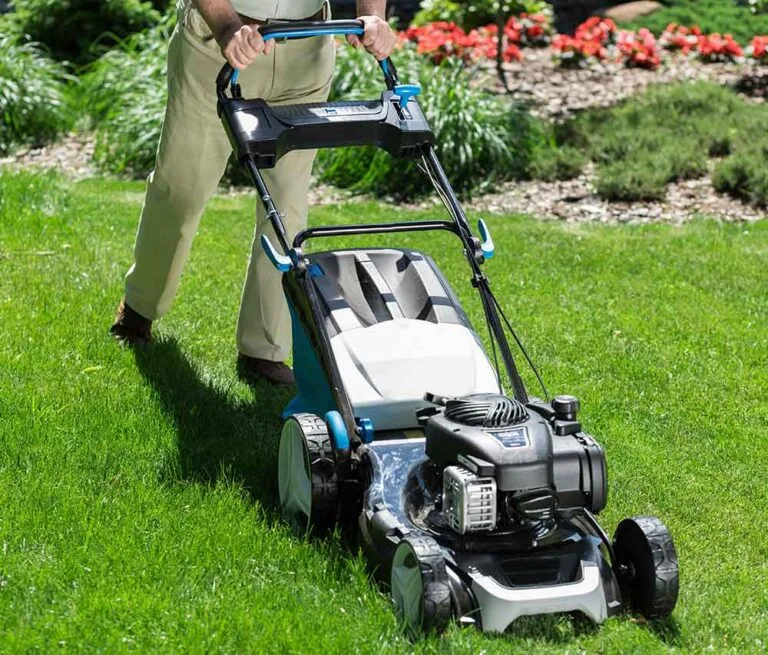
Chọn bên phải máy cắt honda bộ chế hòa khí là một quyết định kỹ thuật ảnh hưởng trực tiếp đến hiệu suất động cơ, mức tiêu thụ nhiên liệu và tuổi thọ của thiết b.
Bằng cách hiểu các tiêu chuẩn tương thích, OEM so với sự đánh đổi hậu mãi, nguyên tắc hiệu chuẩn nhiên liệu-không khí và các yếu tố chất lượng vật liệu, người dùng có thể giảm đáng kể chi phí bảo trì và cải thiện hiệu suất lâu dài.
Dữ liệu ngành cho thấy rõ ràng rằng việc lựa chọn bộ chế hòa khí có hiểu biết có thể giảm thiểu lỗi vận hành lên tới 40%, khiến nó trở thành một trong những quyết định bảo trì quan trọng nhất đối với chủ sở hữu máy cắt cỏ Honda.
Một bộ chế hòa khí được lựa chọn tốt không chỉ là một phần thay thếITit là một nâng cấp tối ưu hóa hiệu suất cho toàn bộ hệ thống máy cắt của bạn.