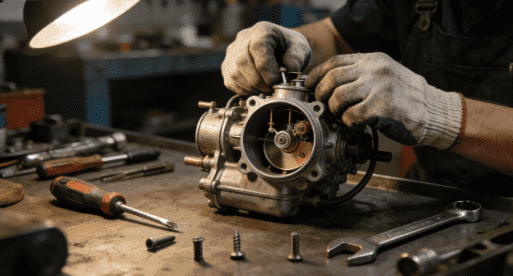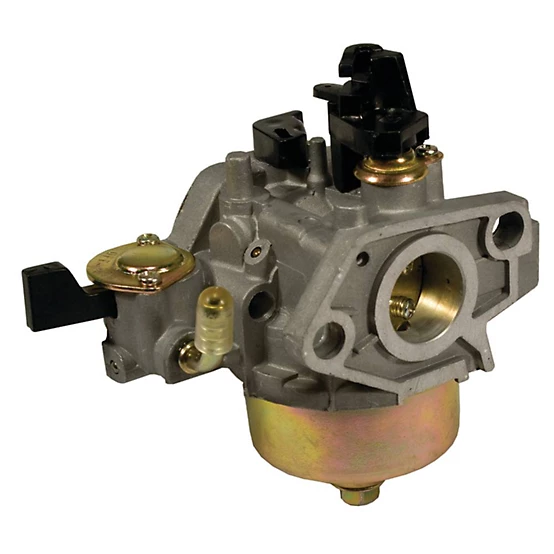
Chúng tôi rất vui mừng chào đón bạn đến đây. Trước khi đi sâu vào nội dung hôm nay, chúng tôi rất muốn kết nối với bạn ngoài trang này. Trên các kênh truyền thông xã hội của mình, chúng tôi thường xuyên chia sẻ những thông tin chuyên sâu mới nhất về ngành, các sản phẩm đổi mới, những cập nhật hậu trường và các mẹo hữu ích — đây cũng là nơi hoàn hảo để chúng tôi tương tác trực tiếp với bạn!
Theo dõi chúng tôi trên:
- Facebook: Công ty TNHH Máy móc Lâm Dương Huayang.
Hãy cùng nhau phát triển, học hỏi và đổi mới.
Mục lục
Từ DIYers cuối tuần đến các nhà thiết kế cảnh quan chuyên nghiệp, hiệu suất của động cơ máy cắt thường đi xuống một thành phần quan trọng: các bộ chế hòa khí trong máy cắt cỏ. trong khi nó dễ dàng đổ lỗi cho bugi hoặc nhiên liệu cũ khi máy cắt của bạn vấp ngã hoặc chết máy, thường xuyên hơn không phải là bộ chế hòa khí là thủ phạm thực sự.Hiểu các dấu hiệu cảnh báo sớm không chỉ là triệu chứng, không phải là chìa khóa để tiết kiệm thời gian, tiền bạc và ngăn ngừa thiệt hại động cơ có thể phòng ngừa được.
Cho dù bạn vận hành máy cắt đẩy chạy bằng gas, máy cắt cưỡi ngựa hay thiết bị zeroØturn thương mại, hướng dẫn này sẽ phá vỡ mọi tín hiệu chỉ ra sự cố bộ chế hòa khí được hỗ trợ bởi dữ liệu thực tế, tiêu chuẩn ngành, sai lầm phổ biến và hiểu biết chuyên môn.
Tại sao bộ chế hòa khí quan trọng hơn bạn nghĩ

Công việc của bộ chế hòa khí có vẻ đơn giản: nó phải như vậy trộn không khí và nhiên liệu theo tỷ lệ phù hợp đối với quá trình đốt cháy bên trong xi lanh động cơ. ngay cả sự mất cân bằng nhẹ trong hỗn hợp này cũng có thể gây ra hành vi thất thường của động cơ, tăng lượng khí thải, hiệu quả sử dụng nhiên liệu kém và hao mòn quá mức.
Trên thực tế, theo dữ liệu bảo trì động cơ nhỏ do Viện Thiết bị Điện ngoài trời (OPEI) công bố, các vấn đề liên quan đến bộ chế hòa khí chiếm gần 42% trong tất cả các lỗi động cơ máy cắt được báo cáo bởi các cửa hàng sửa chữa trên toàn quốc1 giây chỉ để đánh lửa và tia lửa vấn đ.
Làm thế nào các Carburetor trong một Lawn Mower Hoạt động
Nguyên tắc hoạt động cơ bản
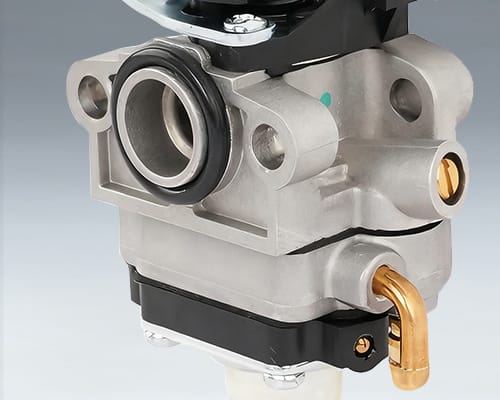
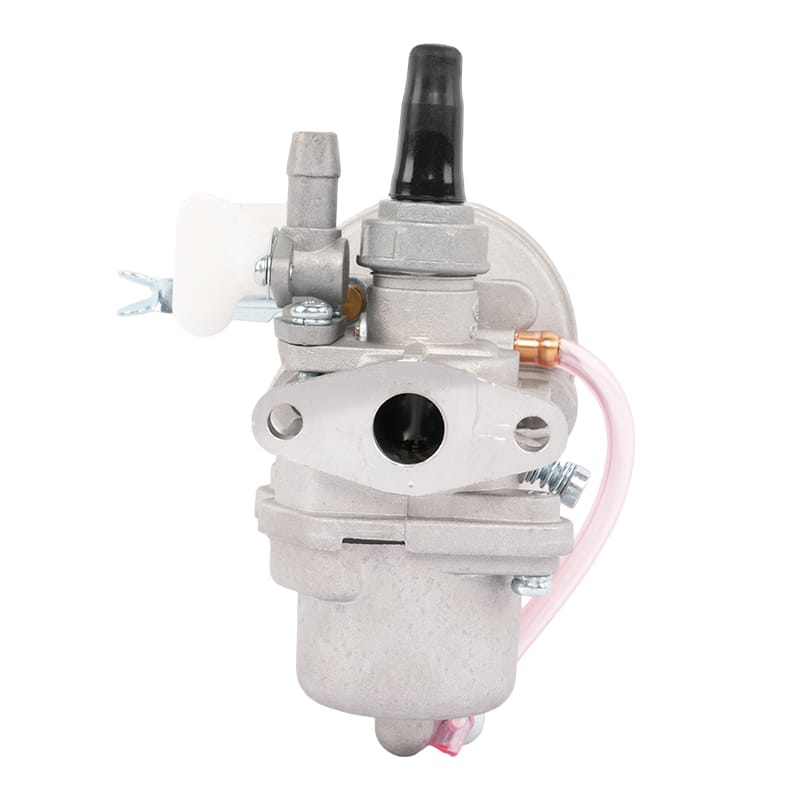
Bộ chế hòa khí sử dụng hành động venturikhông khí asas đi qua một lối đi thu hẹp, áp suất giảm và hút nhiên liệu vào luồng không khí. hỗn hợp nhiên liệu/không khí này sau đó được đưa vào động cơ để đốt cháy.
Các thành phần chính bao gồm:
- Bát nổi: Duy trì một hồ chứa nhiên liệu ở mức không đổi
- Máy bay phản lực (Chính & Phi công): Lưu lượng nhiên liệu đồng hồ đo tại các vị trí bướm ga khác nhau
- Van tiết lưu: Điều chỉnh luồng không khí và tốc độ động cơ
- Van nghẹt thở: Hạn chế không khí khi bắt đầu lạnh để có hỗn hợp đậm đà hơn
Thiết kế đơn giản này thiếu các điều khiển điện tử, vì vậy ngay cả những chiếc guốc nhỏ hoặc các bộ phận bị mòn cũng có thể làm hỏng toàn bộ hệ thống.
Dấu hiệu cảnh báo phổ biến và sớm Bộ chế hòa khí máy cắt cỏ của bạn cần sửa chữa
Đây là sự cố về các tín hiệu cho thấy bộ chế hòa khí trong máy cắt cỏ có thể hoạt động kém hiệu quả:
1. khởi động cứng hoặc không bắt đầu
Nếu động cơ cố gắng lật nhưng không bắt kịp, hỗn hợp có thể quá giàu (quá nhiều nhiên liệu) hoặc quá nạc (quá nhiều không khí).Một bộ chế hòa khí bị lỗi thường là nghi ngờ đầu tiên.
2. động cơ Stalls tại Idle hoặc RPM cao
Hành vi dừng thường xuyên, đặc biệt là khi nóng lên, mô hình hiệu suất liên quan đến tràn bát phao, tia dính hoặc miếng đệm bị cong vênh.
3. khói thải đen
Khói đen cho thấy dấu hiệu không cháy hết nhiên liệu schclassic của hỗn hợp nhiên liệu quá giàu. điều này thường là do phun tia không đúng cách bên trong bộ chế hòa khí.
4. mùi mạnh mẽ của khí
Mùi nhiên liệu chỉ ra rò rỉ hoặc ngập nước bên trong buồng chế hòa khí, thường do phao bị kẹt hoặc vòng đệm bị hỏng.
5. giảm Cắt Power
Xoay lưỡi dao chậm, tăng tốc phún xạ hoặc mất phản ứng ga thường bắt đầu với sự không nhất quán trong phân phối nhiên liệu từ bộ chế hòa khí.
Nguyên nhân thất bại của bộ chế hòa khí: Phân tích gốc
Nhận diện dấu hiệu chỉ là một nửa câu chuyện hiểu lầm tại sao bộ chế hòa khí bị hỏng giúp ngăn ngừa tái phát.
Chất lượng nhiên liệu kém & Các vấn đề về Ethanol
Nhiên liệu pha trộn Ethanolitar (E10 hoặc cao hơn) được biết là gây ra sự tích tụ kẹo cao su và vecni bên trong hệ thống nhiên liệu nếu để yên. Ethanol hút nước và có thể ăn mòn các bộ phận kim loại bên trong bộ chế hòa khí, dẫn đến hiện tượng nguyên tử hóa nhiên liệu lởm chởm.
Nghiên cứu ổn định nhiên liệu SAE cho thấy xăng bắt đầu xuống cấp trong vòng 30 ngày của lưu trữ, góp phần đáng kể vào tắc nghẽn bộ chế hòa khí.
Bụi bẩn, mảnh vụn và cửa vào
Máy cắt cỏ thường xuyên ăn bụi, cỏ cắt và các hạt trong không khí. Nếu không có bộ lọc không khí sạch, những chất gây ô nhiễm này sẽ xâm nhập vào bộ chế hòa khí, làm tắc nghẽn tia nước và làm gián đoạn luồng không khí.
Sự suy giảm độ mòn & thành phần
Rò rỉ phao, trục tiết lưu bị mòn, hỏng miếng đệm và màng ngăn bị nứt là những trường hợp điển hình ở động cơ có hơn 200 giờ sử dụng.
Lưu trữ/Bảo trì không đúng cách
Để lại nhiên liệu trong bể trong mùa đông mà không cần điều trị tăng tốc độ hình thành kẹo cao su.Một chất ổn định nhiên liệu có thể kéo dài tuổi thọ nhiên liệu có thể sử dụng bằng cách lên đến 12 tháng (theo nhiều thử nghiệm của nhà sản xuất).
Các bước chẩn đoán: Xác định các vấn đề về bộ chế hòa khí chính xác

Bước 1: Thực hiện Kiểm tra trực quan có kiểm soát
Tìm kiếm:
- Dư lượng nhiên liệu xung quanh con dấu
- Các thành phần bướm ga bị mòn
- Ăn mòn trên các bộ phận kim loại
- Các mỏ carbon đen gần máy bay phản lực
Bước 2: Đánh giá các mẫu hiệu suất
Ghi lại khi có triệu chứng:
| Triệu chứng | Sự c | Nguyên nhân có thể xảy ra |
|---|---|---|
| Sẽ bắt đầu | Lạnh | Vấn đề nghẹt thở /hỗn hợp phong phú |
| Đứng yên | RPM thấp | Phi công máy bay phản lực tắc nghẽn |
| Gian hàng dưới tải | RPM cao | Vấn đề máy bay phản lực chính |
| Khả năng tăng tốc kém | Trung ga | Tấm ga bẩn |
Bước 3: Kiểm tra dòng nhiên liệu và mẫu phun
Ngắt kết nối và quan sát dòng nhiên liệu dòng nhiên liệu dư thừa cho thấy một van phao bị kẹt.Một mô hình phun bộ chế hòa khí tốt là sương mù tốt; giọt lớn chỉ ra vấn đề máy bay phản lực.
Bảng: Triệu chứng của ma trận hành động chẩn đoán
| Triệu chứng | Nguyên nhân có thể xảy ra bộ chế hòa khí | Hành động bắt buộc |
|---|---|---|
| Khởi động khó khăn | Vecni dày, nhiên liệu xấu | Bộ chế hòa khí sạch |
| Đình trệ | Máy bay phản lực chính bị tắc | Máy bay phản lực sâu sạch |
| Khói đen | Hỗn hợp giàu | Điều chỉnh vít nhàn rỗi/hỗn hợp |
| Mùi nhiên liệu | Bị mắc kẹt phao | Thay thế phao/miếng đệm |
| Do dự | Luồng khí bị hạn chế | Làm sạch thân ga |
Bảng này giúp cả người tự làm và kỹ thuật viên xác định nguyên nhân có thể xảy ra của bộ chế hòa khí dựa trên hành vi được quan sát.
Các loại bộ chế hòa khí và ý nghĩa của chúng đối với việc bảo trì
Bộ chế hòa khí nổi
Hầu hết các máy cắt cỏ dân dụng sử dụng bộ chế hòa khí kiểu floatβtype, đơn giản hơn nhưng dễ bị:
- Float mặc
- Rò rỉ tràn
- Tắc nghẽn tia nước
Màng Carburetors
Được sử dụng trong các mẫu “đa vị trí” (như tông đơ hoặc máy cắt nghiêng), bộ chế hòa khí màng ngăn duy trì việc cung cấp nhiên liệu bất kể góc độ nhưng phức tạp hơn để phục v.
StepitarquanStep Fixes và Hướng dẫn chuyên nghiệp

Tự làm sạch & Xây dựng lại
- Tháo bộ chế hòa khí
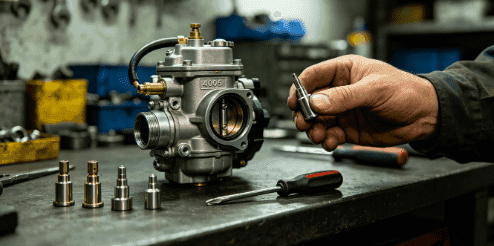
- Sử dụng chất tẩy rửa bộ chế hòa khí để nổ tất cả các máy bay phản lực và lối đi
- Thay thế miếng đệm mòn và van kim
- Lắp ráp lại và thử nghiệm trên ga thấp trước
Công cụ được đề nghị: carb sạch hơn, chọn nhỏ, khí nén, bộ đệm.
Điều chỉnh bộ chế hòa khí
Điều chỉnh vít nhàn rỗi và hỗn hợp có thể cải thiện hiệu suất mà không cần tháo rời hoàn toàn. vặn vít hỗn hợp từ từ cho đến khi động cơ chạy trơn tru cả khi không tải và dưới tải nh.
Khi nào cần tìm kiếm sự sửa chữa chuyên nghiệp
Nếu bộ chế hòa khí yêu cầu:
- Các bộ phận hàn
- Hard Lôito otiếp cận máy bay phản lực
- Kiểm tra nén chẩn đoán
...tham khảo một kỹ thuật viên smallitarengine. chẩn đoán cửa hàng chuyên nghiệp thường phát hiện ra các vấn đề liên quan như thời gian đánh lửa hoặc hạn chế bộ lọc không khí.
Bảo trì phòng ngừa cho tuổi thọ
Sử dụng Fresh Fuel
Xăng tươi với hàm lượng ethanol tối thiểu ngăn ngừa sự tích tụ vecni.Một quy tắc của ngón tay cái: đừng để nhiên liệu trong bình lâu hơn 30 ngày không có stabilizer.
Thói quen vệ sinh thường xuyên
Kiểm tra bộ lọc không khí hàng quý, kiểm tra bộ chế hòa khí trước mùa giải và thoát nước sau mùa giải làm giảm sự tích tụ.
Thay thế các bộ phận mặc chính
Van phao và ghế kim nên được thay thế sau ~150–200 giờ sử dụng trong máy cắt cỏ đang hoạt động.
Mẹo Lưu trữ Mùa đông
- Chạy khô động cơ
- Thêm bộ ổn định trước lần chạy cuối cùng
- Lưu trữ ở nơi khô ráo, thông thoáng
Tiêu chuẩn ngành, phát thải và tiêu chuẩn hiệu suất
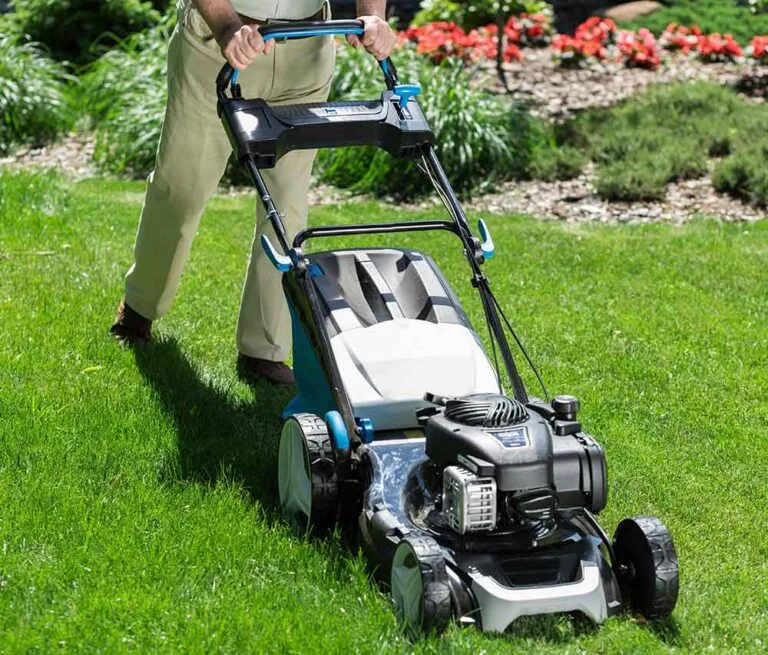
Lượng khí thải động cơ nhỏ được quy định ở nhiều khu vực nhằm giảm sản lượng VOC và NOx. Các cơ quan như Mỹ. EPA (Cơ quan bảo vệ môi trường) thực thi các tiêu chuẩn khí thải ảnh hưởng đến việc điều chỉnh bộ chế hòa khí và hành vi cung cấp nhiên liệu.
Hầu hết các nhà sản xuất xuất bản hướng dẫn sử dụng dịch vụ với thông số mô-men xoắn được phê duyệt, quy trình điều chỉnh và đường cơ sở hiệu suất rất quan trọng khi bảo dưỡng bộ chế hòa khí theo dung sai OEM.
Ví dụ, các Hướng dẫn sử dụng dịch vụ Briggs & Stratton bao gồm các bước hiệu chuẩn bộ chế hòa khí chính xác phù hợp với dữ liệu chứng nhận khí thải.
Nghiên cứu điển hình: Câu chuyện sửa chữa thực sự
Trường hợp 1: Weekend Warrior Push Mower
- Triệu chứng: Khó bắt đầu sau mùa đông
- Chẩn đoán: Van phao bị kẹt
- Giải pháp: Carb xây dựng lại và nhiên liệu tươi
- Kết quả: Khởi động đáng tin cậy, 40% ổn định nhàn rỗi tốt hơn
Trường hợp 2: Thương mại ZeroØTurn
- Triệu chứng: Mất điện khi tải
- Chẩn đoán: Sự tắc nghẽn máy bay phản lực chính cộng với trục ga bị mòn
- Giải pháp: Dịch vụ carb đầy đủ + thay thế lắp ráp bướm ga
- Kết quả: Phục hồi năng lượng và chuyển đổi RPM trơn tru
Dữ liệu từ nhật ký sửa chữa cho thấy điều đó bộ chế hòa khí phục vụ cắt lặp lại sự cố bởi 62% khi kết hợp với bảo trì định k.
Phần kết luận
Các bộ chế hòa khí trong máy cắt cỏ là một nền tảng hiệu suất.Nhận ra các triệu chứng sớm abefore một thất bại hoàn toàn awsaves thời gian, tiền bạc, và giữ cho máy của bạn hoạt động ở hiệu quả cao nhất.Với sự pha trộn đúng đắn của chăm sóc phòng ngừa, kiểm tra thường xuyên, và hiểu cách hệ thống nhiên liệu hành xử, máy cắt của bạn sẽ cung cấp năng lượng đáng tin cậy mùa sau mùa.
Câu hỏi thường gặp
Q1: Bao lâu tôi nên làm sạch các bộ chế hòa khí trong máy cắt cỏ?
A: Nói chung một lần mỗi mùa. sử dụng nặng có thể yêu cầu làm sạch bán năm.
Q2: Nhiên liệu ethanololarfree có thể cải thiện tuổi thọ bộ chế hòa khí?
A: Vâng ethanol thu hút độ ẩm và tăng tốc độ tích tụ vecni.
Q3: Thay thế bộ chế hòa khí có tốt hơn làm sạch không?
Trả lời: Làm sạch thường là đủ; thay thế là do hao mòn hoặc ăn mòn nghiêm trọng.
Q4: Tại sao máy cắt của tôi chỉ dừng lại khi nóng?
A: Nhiệt mở rộng các bộ phận và có thể phơi bày các tia yếu hoặc rò rỉ miếng đệm.
Q5: Liệu tuneuitarups chuyên nghiệp có đáng giá?
A: Đối với máy cắt cỏ thương mại hoặc highùyuse, có hiệu chuẩn chuyên nghiệp cải thiện tuổi thọ và tiết kiệm nhiên liệu.