Chúng tôi rất vui mừng chào đón bạn đến đây. Trước khi đi sâu vào nội dung hôm nay, chúng tôi rất muốn kết nối với bạn ngoài trang này. Trên các kênh truyền thông xã hội của mình, chúng tôi thường xuyên chia sẻ những thông tin chuyên sâu mới nhất về ngành, các sản phẩm đổi mới, những cập nhật hậu trường và các mẹo hữu ích — đây cũng là nơi hoàn hảo để chúng tôi tương tác trực tiếp với bạn!
Theo dõi chúng tôi trên:
- Facebook: Công ty TNHH Máy móc Lâm Dương Huayang.
Hãy cùng nhau phát triển, học hỏi và đổi mới.
Mục lục
Giới thiệu
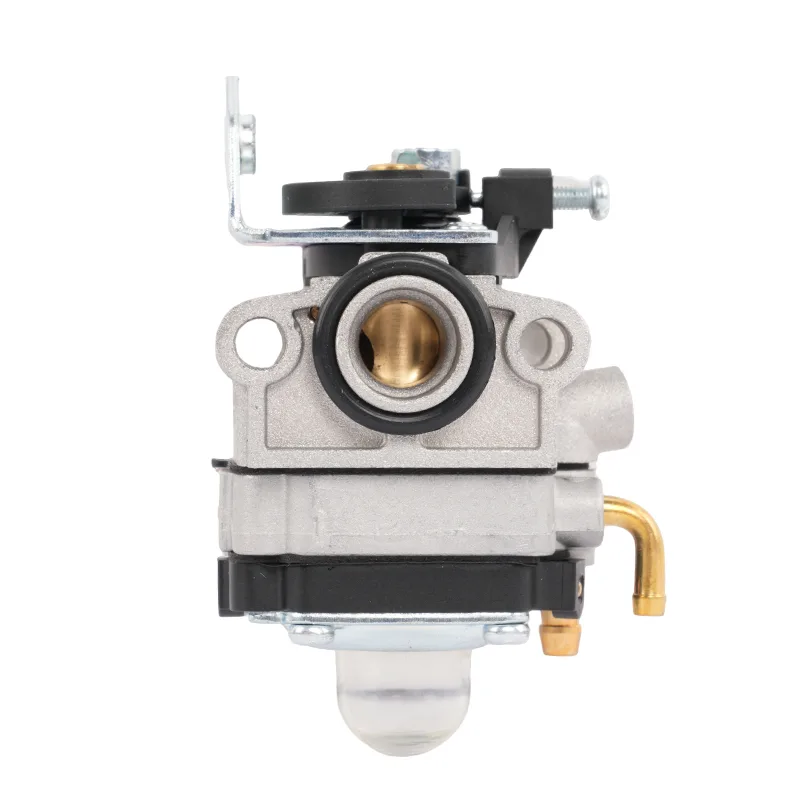
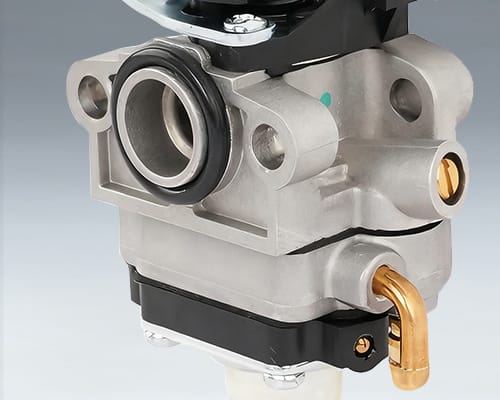
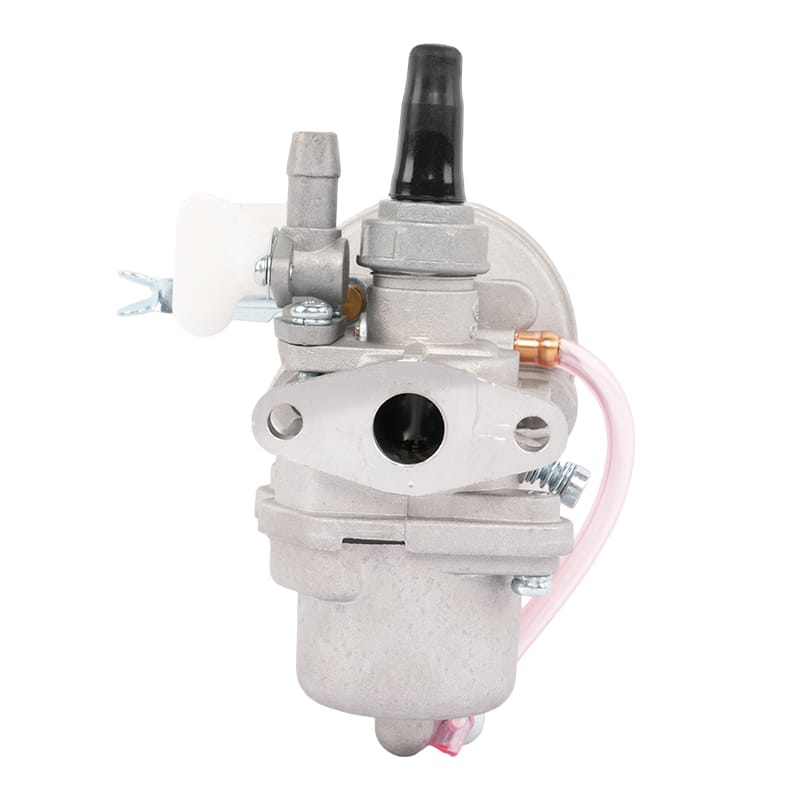
Cho dù bạn đang bảo trì một máy cắt cỏ sân sau hoặc quản lý một đội máy nông trại nhỏ, các bộ chế hòa khí đóng một vai trò then chốt trong hiệu suất động cơ. thường bị bỏ qua cho đến khi nó thất bại, bộ chế hòa khí là các hệ thống thở và cung cấp nhiên liệu của động cơ. Theo nghiên cứu về hiệu suất đốt cháy ở động cơ nhỏ, việc trộn nhiên liệu không khí không đúng cách có thể làm giảm công suất đầu ra bằng cách lên đến 25% và tăng lượng khí thải bằng cách 30 -45%, mà ảnh hưởng đến nền kinh tế nhiên liệu và sức khỏe động cơ long owerterm.Chọn các Bộ chế hòa khí tốt nhất không chỉ bảo trì mà còn đầu tư vào độ tin cậy, hiệu quả và tính bền vững của hiệu suất.
Thật là một bộ chế hòa khí thực sự làm
Hóa học của sự đốt cháy
Vai trò của bộ chế hòa khí là trộn nhiên liệu và không khí thành sương mù mịn tối ưu cho quá trình đốt cháy. Trong động cơ xăng bốn thì, nhiên liệu đi vào ống nạp, trộn với không khí theo tỷ lệ chính xác và cháy trong hành trình công suất. Khi hỗn hợp này đúng, hiệu suất đốt cháy đạt đỉnh gần Tỷ lệ Air–Fuel (AFR) lý tưởng của 14.7:1 đối với động cơ xăng isa có nghĩa là 14,7 phần không khí đến 1 phần nhiên liệu theo khối lượng.
Tại sao Air -Tỷ lệ nhiên liệu lại quan trọng
- Hỗn hợp nạc (quá nhiều không khí): Có thể gây ra tiếng gõ, quá nóng, phản ứng ga kém.
- Hỗn hợp giàu (quá nhiều nhiên liệu): Dẫn đến khói đen, bugi bị tắc và tích tụ cặn.
- AFR tối ưu: Cải thiện năng lượng, giảm lượng khí thải và kéo dài tuổi thọ của các bộ phận.
Các loại bộ chế hòa khí được sử dụng trong máy cắt cỏ và thiết bị nông nghiệp
Để chọn các Bộ chế hòa khí tốt nhất, bạn phải hiểu cách mỗi loại chức năng:
FloatotaType Carburetors ≥ Phổ biến nhất cho động cơ nằm ngang
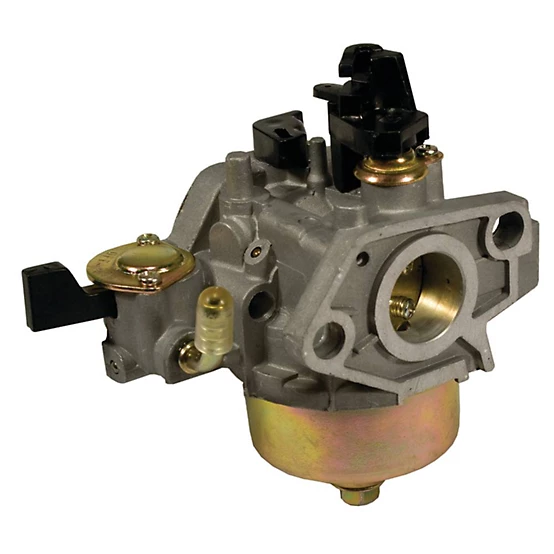
Floatβtype bộ chế hòa khí duy trì một mức nhiên liệu phù hợp bằng cách sử dụng một bát phao, tương tự như một bồn cầu.Khi nhiên liệu giảm, phao mở van đầu vào, duy trì một nguồn cung cấp nhiên liệu ổn định.Những hoạt động tốt trên động cơ flatβmounted nhưng có thể ngập lụt hoặc chết đói nếu máy nghiêng.
Bộ chế hòa khí màng ¤ Cho thiết bị di động và góc cạnh
Cơ hoành chế hòa khí sử dụng màng linh hoạt để đo nhiên liệu. vì chúng không phụ thuộc vào trọng lực nên chúng lý tưởng cho các công cụ cầm tay hoặc đa hướng như máy cắt và tông đơ bàn chải.
Bộ chế hòa khí có thể điều chỉnh l Để điều chỉnh chính xác
Chúng cho phép tinh chỉnh các vít hỗn hợp chính và không tải, cho phép tối ưu hóa hiệu suất đối với các biến thể về độ cao, nhiệt độ và tải trọng.
Bảng so sánh 4 Loại bộ chế hòa khí và trường hợp sử dụng
| Tính năng / Yêu cầu | Float○Loại | Cơ hoành | Điều chỉnh |
|---|---|---|---|
| Định hướng | Chỉ phẳng | Góc bất k | Hầu hết là phẳng |
| Dễ điều chỉnh | Vừa phải | Thấp | Cao |
| Phù hợp | Máy cắt cỏ | Dụng cụ cầm tay | Máy kéo & động cơ nặng hơn |
| Kiểm soát phân phối nhiên liệu | Tiêu chuẩn | Linh hoạt | Chính xác |
Các tiêu chuẩn và quy định ảnh hưởng đến hiệu suất của bộ chế hòa khí
Tiêu chuẩn động cơ ảnh hưởng đến thiết kế bộ chế hòa khí
Tối ưu hóa bộ chế hòa khí bị ảnh hưởng bởi khí thải động cơ và các tiêu chuẩn chẩn đoán:
- SAE J1979 ine Xác định cách diễn giải dữ liệu chẩn đoán động cơ, bao gồm AFR và hiệu suất đốt cháy.
- Dòng ISO 8178 v Được thành lập để đo lượng khí thải non uitarroad; gián tiếp ảnh hưởng đến thiết kế bộ chế hòa khí để đốt sạch hơn.
Yêu cầu về môi trường và hiệu quả
Ở những khu vực có luật phát thải nghiêm ngặt, chẳng hạn như tiêu chuẩn EPA Cấp 4 và EU Giai đoạn V, việc trộn nhiên liệu khí hiệu quả giúp cải thiện sự tuân thủ. Trong khi các động cơ nhỏ trước đây tụt hậu so với quy định về ô tô, thì các tiêu chuẩn thắt chặt lại khuyến khích thiết kế bộ chế hòa khí tốt hơn.
Các yếu tố chính cần xem xét khi lựa chọn bộ chế hòa khí tốt nhất
Kích thước động cơ Tương thích
Dung tích bộ chế hòa khí phải phù hợp với dung tích động cơ. độ lệch có thể làm giảm hiệu suất thể tích, tăng mức tiêu thụ nhiên liệu và chạy thô.
Điều chỉnh hỗn hợp không khí - nhiên liệu
Một bộ chế hòa khí cho phép điều chỉnh cả hai mạch nhàn rỗi và chính cho tính linh hoạt cao hơn để thích ứng với:
- độ cao
- nhiệt độ thay đổi theo mùa
- hỗn hợp nhiên liệu khác nhau
Chất liệu và chất lượng xây dựng
Vật liệu chất lượng cao chống ăn mòn, rung động và các thách thức môi trường điển hình:
- Hợp kim nhôm: Ánh sáng và chống ăn mòn
- Máy bay phản lực bằng đồng thau: Duy trì sự ổn định kích thước theo thời gian
- Màng ngăn nhiều lớp: Chống suy thoái nhiên liệu
Tác động môi trường và hoạt động

Độ cao và mật độ không khí
Mật độ không khí giảm theo độ cao (khoảng 3% trên 1.000 ft). ở 5.000 ft, động cơ cần máy bay phản lực nạc hơn đáng kể để duy trì quá trình đốt cháy hiệu quả. bộ chế hòa khí có thể điều chỉnh cho phép người dùng bù đắp mà không làm giảm động cơ.
Vấn đề chất lượng nhiên liệu
Ethanol pha trộn trong xăng có thể thu hút độ ẩm và gây ra sự tích tụ véc ni hoặc kẹo cao su. thành phần bộ chế hòa khí chịu được tác dụng ethanol duy trì hoạt động lâu dài tốt hơn.
Tối ưu hóa và điều chỉnh hiệu suất
“Tốt nhất” Thực sự có nghĩa là gì trong Hiệu suất bộ chế hòa khí
Hiệu suất cần được đánh giá dựa trên các tiêu chí có thể đo lường được:
- Độ ổn định khi đốt
- Chất lượng nhàn rỗi
- Khả năng phản hồi của ga
- Hành vi Reitaracceleration
Kỹ thuật tối ưu hóa
- Thay đổi kích thước máy bay phản lực cho độ cao hoặc loại nhiên liệu
- Điều chỉnh vị trí kim cho điều kiện tải
- Fineattuning tốc độ nhàn rỗi cho chuyển đổi động cơ mượt mà hơn
Thực hành bảo trì giúp duy trì hiệu quả của bộ chế hòa khí
Vệ sinh và kiểm tra định kỳ
Bảo trì định kỳ cải thiện tuổi thọ động cơ:
- Loại bỏ tiền gửi từ máy bay phản lực và lối đi
- Kiểm tra chiều cao phao
- Kiểm tra tính linh hoạt của màng ngăn
Khắc phục sự cố Các triệu chứng thường gặp
| Triệu chứng | Nguyên nhân có thể xảy ra bộ chế hòa khí |
|---|---|
| Khởi động khó khăn | Phao ngập nước hoặc máy bay phản lực không tải bị tắc |
| Động cơ do dự | Hỗn hợp chính Lean |
| Ng xả đen | Hỗn hợp không tải phong phú |
| Đứng dưới tải | Chết đói nhiên liệu |
Nghiên cứu trường hợp RealitarWorld

Nghiên cứu điển hình: Máy cắt cỏ trong điều kiện ẩm ướt
Một chủ nhà ở một khu vực ẩm ướt báo cáo rằng hiệu suất tiêu chuẩn phao chế hòa khí xấu đi trong mùa mưa.Sau khi reβcalibration và cải thiện kiểm soát hỗn hợp, sự ổn định nhàn rỗi được cải thiện và tần số chết máy giảm đáng k.
Nghiên cứu điển hình: Máy kéo nhỏ ở địa hình không bằng phẳng
Thiết bị nông trại được sử dụng trên các lĩnh vực đồi núi bị sự không nhất quán về hiệu suất.Một bộ chế hòa khí với khả năng điều chỉnh vượt trội và quản lý hơi làm giảm điện dropuitaroff trong quá trình thay đổi độ cao, nâng cao độ tin cậy hoạt động.
Câu hỏi thường gặp
Làm sao tôi biết nếu My Bộ chế hòa khí Tương Thích Không?
Xác minh chuyển động cơ, định hướng nạp, và cấu hình liên kết hiện có. hướng dẫn sử dụng và thông số kỹ thuật OEM là điểm tham chiếu có giá tr.
Tỷ lệ không khí - nhiên liệu tối ưu là bao nhiêu?
Tỷ lệ cân bằng hóa học của xăng là 14.7:1, nhưng động cơ realitarworld thường chạy phong phú hơn một chút (13,5–14,0:1) để có độ bền và khả năng làm mát.
Bộ chế hòa khí có thể được điều chỉnh để thay đổi mùa không?
Có rib bằng cách điều chỉnh vít hỗn hợp và cài đặt kim, hiệu suất có thể được tối ưu hóa cho nhiệt mùa hè hoặc lạnh mùa đông.
Tôi nên bảo trì bộ chế hòa khí bao lâu một lần?
Đối với các thiết bị nông nghiệp được sử dụng thường xuyên, hãy kiểm tra mọi 50 giờ hoạt động hoặc ít nhất một lần mỗi mùa.
Bộ chế hòa khí hậu mãi có đáng tin cậy không?
Bộ chế hòa khí hậu mãi chất lượng cao tuân thủ các tiêu chuẩn hiệu suất và thường mang lại sự linh hoạt điều chỉnh hơn so với các bộ phận nguyên bản.
Phần kết luận
Đang chọn Bộ chế hòa khí tốt nhất vượt xa thay thế một phần.Nó liên quan đến việc hiểu các nguyên tắc đốt cháy, điều kiện môi trường, nhu cầu động cơ, và kỷ luật bảo trì.Bằng cách đánh giá các loại bộ chế hòa khí, đặc điểm hiệu suất, khả năng điều chỉnh, và mô hình sử dụng realitarworld, bạn đảm bảo máy cắt, máy kéo, hoặc động cơ của bạn thực hiện ở hiệu quả cao nhất quán và đáng tin cậy.