Chúng tôi rất vui mừng chào đón bạn đến đây. Trước khi đi sâu vào nội dung hôm nay, chúng tôi rất muốn kết nối với bạn ngoài trang này. Trên các kênh truyền thông xã hội của mình, chúng tôi thường xuyên chia sẻ những thông tin chuyên sâu mới nhất về ngành, các sản phẩm đổi mới, những cập nhật hậu trường và các mẹo hữu ích — đây cũng là nơi hoàn hảo để chúng tôi tương tác trực tiếp với bạn!
Theo dõi chúng tôi trên:
- Facebook: Công ty TNHH Máy móc Lâm Dương Huayang.
Hãy để Lừa cùng nhau phát triển, học hỏi và đổi mới
Mục lục
Giới thiệu
Bộ chế hòa khí 2150 vẫn là một giải pháp cung cấp nhiên liệu phổ biến cho các ứng dụng cổ điển của Ford, Mercury, Lincoln và AMC hoặc Jeep được chọn.Được biết đến với thiết kế hai thùng đơn giản, phản ứng ga ổn định và kết cấu có thể sử dụng được, nó tiếp tục thu hút các nhà phục chế xe, xưởng sửa chữa, nhà phân phối phụ tùng và những người đam mê động cơ cổ điển.
Mặc dù phun nhiên liệu hiện đại thống trị sản xuất xe mới, một bộ chế hòa khí 2150 được lựa chọn và điều chỉnh đúng cách vẫn có thể cung cấp khả năng khởi động đáng tin cậy, tăng tốc trơn tru và khả năng phục vụ thực tế tại hiện trường. bố trí cơ học của nó cũng giúp chẩn đoán và xây dựng lại dễ dàng hơn nhiều hệ thống nhiên liệu được điều khiển điện t.
Hướng dẫn năm 2026 này giải thích cách bộ chế hòa khí hoạt động, cách xác định phiên bản chính xác, những gì cần kiểm tra trước khi mua và cách giải quyết các vấn đề hiệu suất phổ biến.
Những điểm chính cần ghi nhớ
- Bộ chế hòa khí 2150 là bộ chế hòa khí hạ áp hai thùng thường được kết hợp với các ứng dụng động cơ Ford và AMC cũ hơn.
- Kích thước Venturi, thiết kế liên kết, loại cuộn cảm, hiệu chuẩn, kiểu lắp và thiết bị phát thải ảnh hưởng đến khả năng tương thích.
- 2150 và 2100 trông giống nhau, nhưng chúng có những khác biệt quan trọng trong hệ thống đo lường và xả khí.
- Khởi động khó khăn, do dự, ngập lụt, nhàn rỗi thô, khói đen, và tiết kiệm nhiên liệu kém không phải lúc nào cũng có nghĩa là bộ chế hòa khí hoàn chỉnh phải được thay th.
- Cần kiểm tra rò rỉ chân không, mức phao không chính xác, nhiên liệu bị ô nhiễm, miếng đệm bị mòn, lối đi bị tắc và các vấn đề về nghẹt thở trước tiên.
- Việc xây dựng lại có thể tiết kiệm khi thân chính, trục tiết lưu và bề mặt lắp vẫn có thể sử dụng được.
- Người mua nên khớp bộ chế hòa khí với động cơ, xe, hộp số, hệ thống độ cao và số thiết bị gốc chính xác.
- Nguồn cung cấp bộ chế hòa khí đáng tin cậy phụ thuộc vào kiểm tra kích thước, tính nhất quán của dòng chảy, chất lượng vật liệu, kiểm tra rò rỉ và xác minh ứng dụng.
Bộ chế hòa khí 2150 là gì?
Motorcraft 2150 là bộ chế hòa khí hai thùng được phát triển cho động cơ xăng.Nó có liên quan chặt chẽ với Autolite hoặc Motorcraft 2100 trước đó nhưng sử dụng thiết kế đo sáng cập nhật nhằm cải thiện khả năng kiểm soát hỗn hợp không khí-nhiên liệu trong điều kiện vận hành thay đổi.
Một bộ chế hòa khí kết hợp cơ học nhiên liệu và không khí trước khi hỗn hợp đi vào động cơ đốt trong. độc giả không quen với nguyên tắc cơ bản có thể xem lại chung này tổng quan về bộ chế hòa khí và lời giải thích của các Hiệu ứng Venturi.
Bộ chế hòa khí 2150 thường được liên kết với các loại xe Bắc Mỹ được sản xuất trong kỷ nguyên động cơ chế hòa khí. Các phiên bản khác nhau được sản xuất cho các kích cỡ động cơ cụ thể, cấu hình xe, hệ thống khí thải, bố trí cuộn cảm và yêu cầu về độ cao.
Cấu hình hai thanh
Một bộ chế hòa khí hai thùng chứa hai đường dẫn khí chính, thường được gọi là lỗ khoan hoặc thùng. cả hai tấm ga hoạt động cùng nhau để cung cấp không khí và nhiên liệu cho động cơ.
Cấu hình này cung cấp nhiều luồng không khí hơn so với thiết kế một thùng thông thường trong khi vẫn đơn giản và nhỏ gọn hơn nhiều bộ chế hòa khí bốn thùng.
Thiết kế Downdraft
Bộ chế hòa khí 2150 sử dụng bố trí downdraft.Không khí di chuyển xuống dưới qua bộ chế hòa khí, đi qua khu vực venturi, thu thập nhiên liệu và tiếp tục vào ống nạp.
Sự chênh lệch áp suất được tạo ra khi không khí tăng tốc qua lỗ thông hơi bị thu hẹp giúp hút nhiên liệu vào luồng không khí.
Đo nhiên liệu cơ học
Không giống như phun nhiên liệu điện tử, bộ chế hòa khí sử dụng các đường dẫn cơ học, tia, van, phao, tín hiệu chân không và các lỗ được hiệu chỉnh để điều chỉnh việc cung cấp nhiên liệu.
Do đó, hiệu suất của nó phụ thuộc rất nhiều vào các lối đi bên trong sạch sẽ, áp suất nhiên liệu chính xác, điều chỉnh phao chính xác, miếng đệm kín và liên kết hoạt động bình thường.
Bộ chế hòa khí 2150 hoạt động như thế nào?
Bộ chế hòa khí 2150 không cung cấp cùng một lượng nhiên liệu trong mọi điều kiện.Nó sử dụng một số mạch để hỗ trợ khởi động lạnh, nhàn rỗi, tăng tốc, bay và tải động cơ cao hơn.
Hiểu các mạch này giúp việc khắc phục sự cố chính xác hơn vì sự cố khi không hoạt động có thể đến từ một thành phần khác với sự cố khi tăng tốc.
Phao và bát nhiên liệu
Bát nhiên liệu lưu trữ một lượng xăng được kiểm soát bên trong bộ chế hòa khí.Một phao di chuyển với mức nhiên liệu và vận hành kim đầu vào và chỗ ngồi.
Khi mức nhiên liệu giảm, đầu vào mở ra để thừa nhận nhiều nhiên liệu hơn.Khi đạt đến mức chính xác, đầu vào đóng lại.Một mức phao không chính xác có thể gây ra lũ lụt, do dự, đói nhiên liệu, hoặc tiêu thụ nhiên liệu quá mức.
Venturi và Hệ thống đo lường chính
Khi luồng không khí động cơ tăng lên, không khí đi qua venturi nhanh hơn. sự thay đổi áp suất kết quả hút nhiên liệu thông qua các đoạn được hiệu chỉnh và vào luồng không khí.
Hệ thống đo sáng chính hoạt động mạnh nhất trong các điều kiện luồng không khí bay và trung bình đến cao. bụi bẩn, vecni, máy bay phản lực không chính xác hoặc các thành phần đo sáng bị hỏng có thể làm xáo trộn quá trình này.
Hệ thống chảy máu không khí có thể thay đổi
Một sự khác biệt quan trọng liên quan đến thiết kế 2150 là hệ thống không khí-chảy máu biến đổi của nó. hệ thống này giúp điều chỉnh mối quan hệ giữa không khí và nhiên liệu qua việc thay đổi tốc độ và tải trọng động cơ.
Mục đích của nó là duy trì việc đo nhiên liệu được kiểm soát tốt hơn thay vì dựa vào sự sắp xếp xả khí hoàn toàn cố định.
Mạch nhàn rỗi
Khi các tấm ga gần đóng, luồng không khí qua venturi chính bị hạn chế. mạch nhàn rỗi cung cấp một lượng nhỏ nhiên liệu cần thiết để giữ cho động cơ chạy.
Đường dẫn không tải bị chặn, vít hỗn hợp được điều chỉnh không chính xác, rò rỉ chân không hoặc tấm ga mở quá xa có thể dẫn đến tốc độ không tải không ổn định.
Vít hỗn hợp nhàn rỗi
Các vít hỗn hợp nhàn rỗi kiểm soát dòng nhiên liệu hoặc không khí-nhiên liệu thông qua hệ thống nhàn rỗi, tùy thuộc vào thiết kế cụ thể. cả hai ốc vít nói chung nên được điều chỉnh đồng đều trừ khi quy trình dịch vụ áp dụng nêu khác.
Chúng không nên được sử dụng để che giấu lỗi đánh lửa, rò rỉ chân không, thời gian không chính xác hoặc các vấn đề bên trong động cơ.
Bơm tăng tốc
Mở ga nhanh tạo ra sự gia tăng tạm thời của luồng không khí trước khi mạch nhiên liệu chính đáp ứng đầy đủ. bơm tăng tốc cung cấp thêm một shot nhiên liệu trong quá trình chuyển đổi này.
Màng ngăn bơm yếu, vị trí liên kết không chính xác, đường xả bị tắc hoặc van một chiều bị hỏng có thể gây ra hiện tượng do dự hoặc phản tác dụng khi nhấn ga.
Hệ thống làm giàu năng lượng
Trong tải động cơ cao hơn, động cơ đòi hỏi một hỗn hợp phong phú hơn nó cần trong chuyến đi nhẹ. hệ thống làm giàu năng lượng cung cấp thêm nhiên liệu khi điều kiện hoạt động yêu cầu nó.
Màng ngăn bị hỏng hoặc tín hiệu chân không không chính xác có thể tạo ra tình trạng nạc hoặc hoạt động phong phú không cần thiết.
Hệ thống Choke
Một động cơ lạnh cần một hỗn hợp phong phú hơn để khởi động dễ dàng hơn. cuộn cảm hạn chế không khí đi vào trong quá trình vận hành lạnh và dần dần mở ra khi động cơ ấm lên.
Tùy thuộc vào ứng dụng, bộ chế hòa khí 2150 có thể sử dụng bố trí cuộn cảm bằng tay, không khí nóng, khí hậu hoặc điện. bộ chế hòa khí thay thế phải phù hợp với hệ thống điều khiển của xe hoặc được chuyển đổi đúng cách.
Chính 2150 Bộ chế hòa khí Linh kiện
Bộ chế hòa khí 2150 chứa nhiều thành phần hoạt động cùng nhau.Một thất bại trong một phần nhỏ có thể ảnh hưởng đến hoạt động của toàn bộ hệ thống nhiên liệu.
Sừng không khí
Sừng khí tạo thành phần trên của bộ chế hòa khí.Nó có thể chứa các thành phần liên quan đến cuộn cảm, lỗ thông hơi bát, lối đi bên trong và các tính năng hiệu chỉnh khác.
Sừng khí phải vẫn bằng phẳng và được niêm phong chính xác vào thân chính. thắt chặt quá mức có thể làm biến dạng đúc và tạo ra rò r.
Thân chính
Thân chính chứa các đường dẫn khí chính, bát nhiên liệu, hệ thống venturi, đường đo và một số bộ phận có thể sử dụng được.
Ăn mòn hoặc hư hỏng vật lý ở khu vực này có thể làm cho việc xây dựng lại kém tin cậy hơn, đặc biệt khi bề mặt bịt kín hoặc lối đi đã được hiệu chỉnh bị ảnh hưởng.
Thân ga
Thân ga chứa các tấm ga và trục. chuyển động của liên kết máy gia tốc quay trục và thay đổi lượng không khí đi vào động cơ.
Lỗ trục ga bị mòn nghiêm trọng có thể cho phép không khí không được đo vào hệ thống, gây rò rỉ chân không liên tục và không hoạt động không ổn định.
Kim và Ghế
Kim và ghế điều chỉnh nhiên liệu vào bát. bụi bẩn, mòn, áp suất nhiên liệu quá mức, hoặc một thành phần được cài đặt không chính xác có thể ngăn chặn niêm phong thích hợp.
Kim và ghế bị rò rỉ là nguyên nhân phổ biến gây ngập nước, mùi nhiên liệu và nhiên liệu tràn vào họng bộ chế hòa khí.
Vòng đệm và con dấu
Các miếng đệm cách ly các đường dẫn nhiên liệu, không khí và chân không. Tuổi, nhiệt, nhiên liệu không phù hợp, cài đặt không chính xác hoặc mô-men xoắn dây buộc quá mức có thể làm hỏng chúng.
Một dịch vụ hoàn chỉnh nên sử dụng mẫu đệm chính xác vì các phiên bản bộ chế hòa khí trông giống nhau có thể chứa các đoạn bên trong khác nhau.
Đối với các thành phần dịch vụ liên quan, người mua có thể xem xét QIYANG's bộ dụng cụ sửa chữa bộ chế hòa khí và các bộ phận động cơ.
2150 Kích thước và nhận dạng bộ chế hòa khí
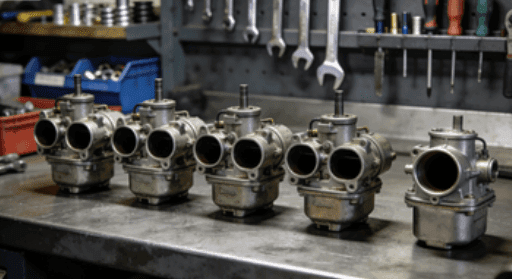
Nhận dạng chính xác là một trong những bước quan trọng nhất trước khi đặt hàng bộ thay thế hoặc xây dựng lại. một đơn vị phù hợp về mặt vật lý với ống nạp vẫn có thể có hiệu chuẩn sai, kích thước venturi, sặc, liên kết hoặc kết nối chân không.
Đánh dấu kích thước Venturi
Nhiều đơn vị 2150 có một venturi-kích thước đánh dấu đúc hoặc đóng dấu vào cơ thể chính. các phiên bản thường được thảo luận bao gồm khoảng 1,08-, 1,21-, và 1,23-inch cấu hình, mặc dù chi tiết ứng dụng phải luôn luôn được xác nhận thông qua số nhận dạng và tài liệu xe.
Kích thước Venturi ảnh hưởng đến khả năng luồng không khí, phản ứng tốc độ thấp và sự phù hợp với dung tích động cơ cụ thể.
Thẻ hoặc số nhận dạng
Một thẻ nhận dạng gốc, dập, hoặc số kỹ thuật có thể giúp xác định:
- Năm xe
- Họ động cơ
- Hiệu chuẩn
- Ng dụng truyền
- Cấu hình phát thải
- Thiết kế choke
- Thiết bị liên quan đến độ cao
Không chỉ dựa vào ngoại hình bên ngoài.Nhiều phiên bản trông gần như giống hệt nhau nhưng sử dụng các cài đặt bên trong khác nhau.
Vị trí liên kết
Kiểm tra liên kết ga, liên kết khởi động hộp số, kết nối lò xo hồi vị, phụ kiện điều khiển hành trình và liên kết cuộn cảm.
Việc thay thế có thể yêu cầu sửa đổi không cần thiết khi các tính năng này không khớp với thiết bị ban đầu.
Bố trí cổng chân không
So sánh vị trí, đường kính và chức năng của tất cả các cổng chân không. một số cổng cung cấp chân không đa dạng, trong khi những cổng khác cung cấp chân không theo thời gian hoặc cổng.
Kết nối thiết bị với nguồn chân không sai có thể ảnh hưởng đến thời điểm đánh lửa, kiểm soát khí thải, chất lượng không tải và khả năng lái xe.
2150 Bộ chế hòa khí So sánh kích thước
Bảng sau đây cung cấp một so sánh chung. giá trị dòng chảy chính xác và các ứng dụng ban đầu có thể thay đổi theo phương pháp hiệu chuẩn và thử nghiệm, do đó, hướng dẫn sử dụng dịch vụ xe và số nhận dạng bộ chế hòa khí nên vẫn là tài liệu tham khảo chính.
| Đánh dấu Venturi | Mức luồng không khí chung | Cân nhắc mua hàng điển hình | Mối quan tâm có thể có |
|---|---|---|---|
| 1.08 | Thấp hơn | Phù hợp hơn với các ứng dụng có độ dịch chuyển nhỏ hơn hoặc luồng không khí thấp hơn | Có thể hạn chế một động cơ được sửa đổi nhiều |
| 1.21 | Trung bình đến cao | Hữu ích cho động cơ lớn hơn cần thêm luồng không khí | Có thể làm giảm phản ứng tốc độ thấp nếu quá khổ |
| 1.23 | Cao hơn | Được xem xét cho các ứng dụng có dung tích lớn hơn hoặc có nhu cầu cao hơn | Yêu cầu hiệu chuẩn cẩn thận và kiểm tra tính tương thích |
| Không rõ hoặc không đọc được | Chưa xác minh | Thẻ nhận dạng và số đo phải được kiểm tra | Nguy cơ đặt hàng sai đơn vị cao hơn |
Bộ chế hòa khí lớn hơn có luôn tạo ra nhiều năng lượng hơn không?
Số Một bộ chế hòa khí lớn hơn có thể cung cấp luồng không khí tiềm năng hơn, nhưng động cơ phải có khả năng sử dụng nó.
Một bộ chế hòa khí quá khổ có thể làm giảm tốc độ luồng không khí ở tốc độ động cơ thấp hơn, làm suy yếu đo nhiên liệu, làm mềm phản ứng ga, và làm cho việc điều chỉnh khó khăn hơn. lựa chọn nên dựa trên sự dịch chuyển động cơ, phạm vi RPM dự định, hiệu quả thể tích, thiết kế lượng, và mục đích hoạt động.
Bộ chế hòa khí 2150 so với Bộ chế hòa khí 2100
Các 2150 và 2100 chia sẻ một bố trí hai thùng dễ nhận biết, và một số thành phần dịch vụ có thể xuất hiện tương tự.Tuy nhiên, họ không nên tự động được coi là giống hệt nhau.
| Tính năng | Bộ chế hòa khí 2150 | Bộ chế hòa khí 2100 |
| Cấu hình cơ bản | Thả xuống hai thùng | Thả xuống hai thùng |
| Mối quan hệ thiết kế | Phát triển sau này | Thiết kế trước đó |
| Hệ thống xả khí | Sử dụng cách sắp xếp xả khí có thể thay đổi được cập nhật | Sử dụng cách sắp xếp đo sáng sớm hơn |
| Ngoại hình | Tương tự như 2100 | Tương tự như 2150 |
| Trao đổi bộ phận | Một số phần có thể tương t | Phải được kiểm chứng bằng mô hình |
| Phương pháp nhận dạng tốt nhất | Tag, đúc, đánh dấu venturi, ứng dụng | Tag, đúc, đánh dấu venturi, ứng dụng |
Cái nào tốt hơn cho việc phục hồi?
Đối với việc khôi phục theo kiểu nhà máy, mẫu chính xác là đơn vị được chỉ định cho gói động cơ, năm xe, hộp số và khí thải ban đầu.
Việc sử dụng cấu hình ban đầu thường đơn giản hóa việc căn chỉnh liên kết, lắp máy làm sạch không khí, định tuyến chân không, vận hành cuộn cảm và điều chỉnh.
2150 Có Thể Thay Thế 2100 Không?
Một chuyển đổi có thể có thể trong các ứng dụng được lựa chọn, nhưng không nên giả định khả năng tương thích. mặt bích lắp, liên kết ga, đầu vào nhiên liệu, choke, giải phóng mặt bằng máy làm sạch không khí, cổng chân không, và hiệu chuẩn tất cả phải được đánh giá.
Người lắp đặt cũng nên xác định xem thay đổi có tuân thủ các yêu cầu về khí thải và sử dụng đường bộ của địa phương hay không.
Bộ chế hòa khí 2150 so với Bộ chế hòa khí bốn thanh
Bộ chế hòa khí bốn thùng có thể mang lại tiềm năng luồng không khí cao hơn nhưng nó cũng đưa ra các thành phần bổ sung và yêu cầu điều chỉnh.
| Yếu tố mua | 2150 hai thùng | Bộ chế hòa khí bốn thùng |
| Độ phức tạp cơ học | Thấp hơn | Cao hơn |
| Cài đặt đơn giản | Thường dễ dàng hơn trên các đa tạp tương thích | Có thể yêu cầu một đa tạp hoặc bộ chuyển đổi khác |
| Khả năng lái xe tốc độ thấp | Thường mạnh mẽ khi có kích thước chính xác | Phụ thuộc vào kích thước và hiệu chuẩn thùng sơ cấp |
| Luồng khí tối đa | Hạn chế hơn | Thường cao hơn |
| Điều chỉnh hệ thống nhiên liệu | Tương đối đơn giản | Nhiều biến hơn để điều chỉnh |
| Ng dụng tốt nhất | Phục hồi ban đầu, lái xe hàng ngày, nhu cầu động cơ vừa phải | Hiệu suất xây dựng và yêu cầu luồng không khí cao hơn |
Khi nào bạn nên giữ thiết kế hai thanh?
Giữ hệ thống hai thùng khi tính độc đáo, hoạt động trên đường phố có thể dự đoán được, khả năng sử dụng và luồng không khí vừa phải quan trọng hơn công suất tối đa.
Nó cũng có thể là sự lựa chọn thực tế khi đường ống nạp, máy lọc không khí, liên kết ga và hệ thống nhiên liệu đã được thiết kế cho bộ chế hòa khí ban đầu.
Cách Chọn Bộ Chế Hòa Khí 2150 Năm 2026
Một giao dịch mua thành công bắt đầu với dữ liệu ứng dụng hơn là giá cả.Người mua nên thu thập tất cả các thông tin có sẵn trước khi so sánh các nhà cung cấp hoặc các đơn vị tái sản xuất.
Xác nhận ứng dụng Engine
Ghi lại dung tích động cơ, năm mẫu xe, mẫu xe, loại hộp số, đường ống nạp và bất kỳ sửa đổi động cơ nào.
Bộ chế hòa khí được hiệu chỉnh cho động cơ nguyên bản có thể không hoạt động chính xác trên động cơ có trục cam, cửa nạp, đầu xi-lanh, tỷ số nén hoặc hệ thống xả khác.
Phù hợp với Mặt bích lắp
Đo khoảng cách bu lông và so sánh sự sắp xếp throttle-bore.Xác nhận rằng miếng đệm cơ sở phù hợp với tất cả các đường dẫn nhiên liệu, không khí và chân không.
Bộ chuyển đổi có thể gây ra các vấn đề về chiều cao, liên kết, luồng không khí hoặc bịt kín.
Xác minh loại Choke
Xác định xem hệ thống hiện tại có sử dụng không:
- Sặc thủ công
- Sặc điện
- Sặc không khí nóng
- Sặc khí hậu hoặc nhiệt độ
- Một cơ chế kéo chân không có liên quan
Cuộn cảm phải mở và đóng chính xác trong suốt chu kỳ khởi động.
Kiểm tra Định hướng đầu vào nhiên liệu
Xác nhận chủ đề nhiên liệu-đầu vào, phù hợp với phong cách, hướng, và giải phóng mặt bằng. đường nhiên liệu không nên được buộc, uốn cong mạnh, hoặc vị trí chống lại các thành phần nóng hoặc di chuyển.
Việc thay đổi hệ thống nhiên liệu phải sử dụng các bộ phận phù hợp với xăng và áp suất dự kiến.
So Sánh Mọi Kết Nối
Trước khi lắp đặt, đặt các đơn vị cũ và thay thế cạnh nhau. so sánh:
- Mẫu cơ bản
- Liên kết ga
- Choke hội
- Đầu vào nhiên liệu
- Cổng hút chân không
- Lắp máy làm sạch không khí
- Lỗ thông hơi bát
- Thiết bị đầu cuối điện
- Chiều cao tổng th
Yêu cầu thông tin kiểm soát chất lượng
Người mua chuyên nghiệp nên hỏi làm thế nào bộ chế hòa khí được kiểm tra và kiểm tra. các yếu tố chất lượng quan trọng bao gồm tính nhất quán về kích thước, tính toàn vẹn đúc, kiểm soát rò rỉ, lưu lượng nhiên liệu hiệu chuẩn, lắp ráp sạch và hiệu suất lặp lại.
QIYANG tuyên bố rằng bộ chế hòa khí thành phẩm của nó được kiểm tra rò rỉ không khí và nhiên liệu và lưu lượng nhiên liệu được hiệu chỉnh để hỗ trợ hiệu suất nhất quán. công ty cũng cung cấp khả năng thích ứng và tối ưu hóa cho các động cơ xăng nhỏ đa năng cụ thể.
Người mua tìm nguồn cung ứng bộ chế hòa khí cho máy móc làm vườn, nông nghiệp hoặc xây dựng có thể duyệt qua công ty dòng sản phẩm bộ chế hòa khí động cơ nhỏ hoặc tìm hiểu thêm về nó khả năng sản xuất và tùy chỉnh.
Bộ chế hòa khí 2150 mới, được xây dựng lại hoặc đã qua sử dụng?
Mỗi lựa chọn tìm nguồn cung ứng có những lợi thế khác nhau.
Bộ chế hòa khí thay thế mới
Một đơn vị mới có thể làm giảm thời gian kiểm tra vật đúc bị mòn, trục, ren và bề mặt niêm phong. tuy nhiên, chất lượng sản xuất và hiệu chuẩn có thể khác nhau.
Người mua nên xác minh xem việc thay thế là ứng dụng cụ thể hay đơn vị kiểu phổ quát cần điều chỉnh.
Bộ chế hòa khí được xây dựng lại chuyên nghiệp
Một thiết bị ban đầu được xây dựng lại đúng cách có thể bảo toàn các liên kết, phụ kiện và tính năng hiệu chuẩn chính xác.
Chất lượng của nó phụ thuộc vào tình trạng của lõi, quy trình làm sạch, độ mòn của trục tiết lưu, độ phẳng bề mặt, các bộ phận thay thế và thử nghiệm cuối cùng.
Bộ chế hòa khí đã qua sử dụng
Một đơn vị được sử dụng có thể hữu ích như một lõi có thể xây dựng lại hoặc nguồn của các thành phần khó tìm.
Nó mang sự không chắc chắn lớn nhất vì sự ăn mòn bên trong, lối đi bị chặn, thiếu các bộ phận, bề mặt bị biến dạng và các sửa đổi trước đó có thể không hiển thị trong các bức ảnh liệt kê.
| Tùy chọn mua hàng | Lợi thế chính | Nhược điểm chính | Người mua phù hợp |
| Thay thế mới | Sạch sẽ và sẵn sàng cho thiết lập ban đầu | Chất lượng và hiệu chuẩn có thể khác nhau | Người mua ưu tiên thay thế nhanh chóng |
| Được xây dựng lại chuyên nghiệp | Có thể giữ lại các tính năng ứng dụng đúng | Phụ thuộc vào rebilder và điều kiện cốt lõi | Xưởng phục hồi và sửa chữa |
| Lõi gốc có thể xây dựng lại | Hỗ trợ tính độc đáo | Yêu cầu lao động, dụng cụ, kiểm tra | Những người xây dựng lại có kinh nghiệm |
| Được sử dụng như hiện tại | Thường là giá ban đầu thấp hơn | Mặc và ô nhiễm không xác định | Phục hồi bộ phận hơn là sử dụng ngay |
Các vấn đề về bộ chế hòa khí 2150 thường gặp
Các triệu chứng hiệu suất nên được chẩn đoán một cách có hệ thống. thay thế đơn vị hoàn chỉnh mà không cần xét nghiệm có thể để lại vấn đề thực tế chưa được giải quyết.
Khởi động cứng khi lạnh
Các nguyên nhân có thể bao gồm nghẹt thở không đóng lại, máy bơm tăng tốc yếu, bát nhiên liệu trống, nguồn cung cấp nhiên liệu thấp hoặc kỹ thuật khởi động không chính xác.
Kiểm tra chuyển động sặc khi động cơ nguội và xác nhận rằng nhiên liệu đến bát.
Cứng Bắt đầu Khi Nóng
Các vấn đề khởi động nóng có thể do ngập nước, áp suất nhiên liệu quá cao, kim và ghế bị rò rỉ, ngâm nhiệt, sôi nhiên liệu hoặc cuộn cảm được điều chỉnh không chính xác.
Mùi nhiên liệu mạnh hoặc nhiên liệu có thể nhìn thấy trong họng bộ chế hòa khí có thể cho thấy tình trạng quá giàu.
Nhàn rỗi thô hoặc không ổn định
Sự cố không ổn định có thể đến từ các đường dẫn không tải bị tắc, rò rỉ chân không, lỗ trục ga bị mòn, thời điểm đánh lửa không chính xác, bộ phận đánh lửa yếu, độ nén thấp hoặc vít hỗn hợp được điều chỉnh không chính xác.
Không điều chỉnh bộ chế hòa khí cho đến khi hệ thống đánh lửa và tình trạng cơ bản của động cơ đã được kiểm tra.
Do dự trong quá trình tăng tốc
Sự do dự ngay sau khi mở ga thường chỉ vào mạch bơm chân ga.
Kiểm tra màng ngăn bơm, cài đặt liên kết, giải phóng mặt bằng cánh tay bơm, đường xả và van kiểm tra. một mạch chính nạc hoặc vấn đề đánh lửa có thể tạo ra một triệu chứng tương t.
Khói đen
Khói thải màu đen thường chỉ ra một hỗn hợp quá giàu. nguyên nhân có thể bao gồm một mức độ nổi cao, rò rỉ kim đầu vào, áp suất nhiên liệu quá mức, bộ lọc không khí hạn chế, nghẹt thở đóng, máy bay phản lực quá khổ, hoặc rò rỉ bên trong.
Hoạt động phong phú kéo dài có thể làm ô nhiễm dầu động cơ, bugi đánh lửa hôi, tăng lượng khí thải và giảm tiết kiệm nhiên liệu.
Rò rỉ nhiên liệu từ bộ chế hòa khí
Dừng động cơ khi phát hiện rò rỉ nhiên liệu bên ngoài. kiểm tra đầu vào nhiên liệu, miếng đệm bát, phích cắm, kim và ghế, phao và áp suất nhiên liệu.
Xăng gần nguồn đánh lửa hoặc bề mặt nóng tạo ra nguy cơ cháy nghiêm trọng.
Động cơ dừng ở chế độ nhàn rỗi
Việc ngừng hoạt động có thể là do không đủ nhiên liệu nhàn rỗi, dư thừa không khí không được đo, tốc độ không tải ở lề đường không chính xác, điện từ không tải đóng hoặc tải truyền vượt quá cài đặt không tải hiện tại.
Miếng đệm đế, ống nạp, ống tăng áp phanh, hệ thống PCV và các phụ kiện chân không phải được kiểm tra xem có rò rỉ hay không.
Tiết kiệm nhiên liệu kém
Nền kinh tế kém có thể do hiệu chuẩn phong phú, hạn chế nghẹt thở, mức nhiên liệu quá cao, rò rỉ các bộ phận van điện, vấn đề đánh lửa, áp suất lốp thấp, lỗi truyền động hoặc điều kiện lái xe.
Tiết kiệm nhiên liệu không nên được đánh giá chỉ từ việc điều chỉnh bộ chế hòa khí.
2150 Bộ chế hòa khí Bàn khắc phục sự cố
| Triệu chứng | Nguyên nhân có thể liên quan đến bộ chế hòa khí | Những gì cần kiểm tra trước |
| Động cơ lạnh sẽ không khởi động | Sặc không đóng hoặc bắn bơm yếu | Choke tấm và máy bơm tăng tốc |
| Động cơ nóng bị ngập nước | Rò rỉ kim hoặc mức nhiên liệu cao | Áp suất nhiên liệu, phao, kim và chỗ ngồi |
| Thô nhàn rỗi | Rò rỉ chân không hoặc mạch không tải bị chặn | Miếng đệm cơ sở, ống mềm, lối đi nhàn rỗi |
| Sự do dự nhàn rỗi | Xả máy bơm gia tốc yếu | Cơ hoành bơm và liên kết |
| Khói thải đen | Hỗn hợp giàu | Sặc, mức độ nổi, bộ lọc không khí |
| Mùi nhiên liệu | Rò rỉ bên ngoài hoặc ngập lụt bên trong | Đầu vào nhiên liệu, bát và họng |
| Dừng lại khi phanh | Vấn đề về phao hoặc mức nhiên liệu | Chuyển động và điều chỉnh phao |
| Công suất thấp dưới tải | Dòng nhiên liệu bị hạn chế hoặc làm giàu không chính xác | Bộ lọc nhiên liệu, máy bay phản lực và mạch điện |
| Tốc độ nhàn rỗi cao | Liên kết ràng buộc hoặc rò rỉ chân không | Trở lại ga và ống chân không |
| Tăng vọt trên du thuyền | Hỗn hợp tinh gọn hoặc nguồn cung cấp nhiên liệu không ổn định | Rò rỉ chân không, dòng nhiên liệu và hệ thống đo lường |
Bạn nên làm sạch, xây dựng lại hoặc thay thế nó?
Quyết định đúng đắn phụ thuộc vào tình trạng của thân bộ chế hòa khí và loại hư hỏng.
Làm sạch bộ chế hòa khí khi
Việc làm sạch có thể đủ khi thiết bị bị nhiễm bẩn nhẹ, liên kết dính hoặc cặn lắng do nhiên liệu cũ gây ra, nhưng các miếng đệm và bộ phận cơ khí vẫn có thể sử dụng được.
Chỉ phun bên ngoài có thể không làm sạch các đường đo bên trong.
Xây dựng lại bộ chế hòa khí khi
Một xây dựng lại là thích hợp khi đúc chính là âm thanh nhưng các bộ phận dịch vụ đã xuống cấp. một xây dựng lại điển hình có thể bao gồm các miếng đệm mới, con dấu, màng bơm, kim và chỗ ngồi, và các thành phần ứng dụng cụ thể khác.
Nhiên liệu và đường hàng không di chuyển qua các lối đi nhỏ bên trong có thể bị hạn chế bởi bụi bẩn hoặc cặn từ xăng bay hơi, đặc biệt là sau khi bảo quản lâu.
Thay thế Bộ chế hòa khí Khi
Việc thay thế có thể thực tế hơn khi thân xe bị nứt, ăn mòn nặng, biến dạng nặng, thiếu các bộ phận quan trọng hoặc bị ảnh hưởng bởi sự mài mòn nghiêm trọng của trục ga.
Việc thay thế cũng nên được xem xét khi chi phí phục hồi chuyên nghiệp vượt quá giá trị của một giải pháp thay thế đáng tin cậy, được hiệu chỉnh chính xác.
Xây dựng lại danh sách kiểm tra quyết định
Trước khi đặt mua bộ sản phẩm, hãy kiểm tra:
- Số nhận dạng
- Điều kiện đúc
- Chuyển động của trục ga
- Điều kiện chủ đề
- Độ phẳng của đế và sừng khí
- Sự hoàn chỉnh của liên kết
- Thành phần nghẹt thở
- Ăn mòn bên trong
- Những sửa đổi trước đây
- Có sẵn bộ sửa chữa chính xác
Cách vệ sinh bộ chế hòa khí 2150 một cách an toàn
Làm sạch bộ chế hòa khí đòi hỏi một khu vực làm việc sạch sẽ, thiết bị bảo vệ chính xác và tổ chức cẩn thận.
Chuẩn bị Khu vực làm việc
Làm việc tránh xa ngọn lửa, tia lửa, lò sưởi và các nguồn đánh lửa khác. sử dụng găng tay chống hóa chất và bảo vệ mắt, và làm theo hướng dẫn của nhà sản xuất sạch hơn.
Xăng và dung môi làm sạch nên được lưu trữ và xử lý theo yêu cầu của địa phương.
Chụp ảnh hội đồng ban đầu
Chụp ảnh rõ ràng về ống chân không, kết nối liên kết, lò xo, dây điện và định tuyến đường dẫn nhiên liệu trước khi tháo ra.
Việc dán nhãn cho các kết nối này có thể ngăn ngừa lỗi cài đặt.
Tháo rời một cách có phương pháp
Sắp xếp các bộ phận theo thứ tự và giữ các thành phần hiệu chuẩn nhỏ tách ra. không buộc vít bị mắc kẹt hoặc nhấn dây cứng thông qua các đoạn chính xác.
Việc thăm dò không chính xác có thể làm tăng độ mở đồng hồ đo và thay đổi vĩnh viễn việc cung cấp nhiên liệu.
Làm sạch Internal Passages
Sử dụng phương pháp làm sạch bộ chế hòa khí thích hợp và khí nén theo quy trình dịch vụ. xác nhận rằng mỗi đoạn rõ ràng trước khi lắp ráp lại.
Không bao giờ hướng khí nén về phía mặt hoặc da của bạn.
Cài đặt các thành phần chính xác
So sánh mọi miếng đệm, màng ngăn, kim, ghế, vòng đệm và lò xo mới với bộ phận ban đầu.
Một miếng đệm trông giống nhau có thể chặn hoặc phát hiện sai lối đi.
Cân nhắc cài đặt cơ bản
Chất lượng lắp đặt ảnh hưởng trực tiếp đến hiệu suất bộ chế hòa khí.
Kiểm tra bề mặt nạp
Bề mặt lắp đặt cửa nạp phải sạch sẽ, phẳng và không có vật liệu đệm cũ. mảnh vụn không được rơi vào ống nạp.
Sử dụng miếng đệm cơ sở được chỉ định và bất kỳ miếng đệm cách điện cần thiết nào.
Siết chặt Chốt đồng đều
Siết chặt các ốc vít lắp dần dần và đồng đều theo đặc điểm kỹ thuật dịch vụ xe.
Mô-men xoắn quá mức có thể làm biến dạng đế bộ chế hòa khí hoặc làm hỏng đường ống nạp.
Kiểm tra chuyển động của ga
Trước khi khởi động động cơ, vận hành ga bằng tay, nó phải di chuyển trơn tru từ nhàn rỗi đến mở đầy đủ và trở lại hoàn toàn mà không bị ràng buộc.
Xác minh rằng máy lọc không khí, đường dẫn nhiên liệu, hệ thống dây điện và ống mềm không cản trở liên kết.
Kiểm tra rò rỉ nhiên liệu
Sau khi nhiên liệu đến bộ chế hòa khí, kiểm tra mọi kết nối trước khi khởi động và một lần nữa trong khi động cơ đang hoạt động.
Tắt động cơ ngay lập tức nếu phát hiện rò r.
Làm thế nào để điều chỉnh một bộ chế hòa khí 2150
Điều chỉnh cuối cùng chỉ nên được thực hiện sau khi động cơ đạt đến nhiệt độ hoạt động bình thường và tất cả các điều kiện cơ học và đánh lửa cơ bản đều chính xác.
Thiết lập đường cơ sở đáng tin cậy
Trước khi điều chỉnh bộ chế hòa khí, hãy xác minh:
- Đúng thời điểm đánh lửa
- Bugi có thể sử dụng được
- Sản lượng đánh lửa mạnh
- Nén đầy đủ
- Hoạt động van chính xác
- Không rò rỉ chân không
- Cung cấp nhiên liệu sạch
- Áp suất nhiên liệu chính xác
- Mở sặc thích hợp
- Bộ lọc không khí sạch
Điều chỉnh Float Level
Điều chỉnh phao ảnh hưởng đến hầu hết mọi mạch hoạt động.Thực hiện theo quy trình và phép đo được chỉ định cho phiên bản bộ chế hòa khí chính xác.
Đừng cho rằng một cài đặt phao phổ quát áp dụng cho mọi bộ chế hòa khí 2150.
Đặt tốc độ không tải lề đường
Tốc độ không tải nên được điều chỉnh theo đặc điểm kỹ thuật của xe với vị trí truyền chính xác và các phụ kiện hoạt động theo yêu cầu của hướng dẫn dịch v.
Tốc độ không tải được đặt quá cao có thể làm lộ các khe chuyển tiếp và làm giảm hiệu quả của vít hỗn hợp.
Điều chỉnh hỗn hợp nhàn rỗi
Thực hiện các thay đổi nhỏ và bằng nhau đối với các vít hỗn hợp trong khi theo dõi tốc độ động cơ, độ mịn hoặc chân không đa dạng.
Sau khi điều chỉnh, kiểm tra lại tốc độ không tải lề đường vì cài đặt hỗn hợp và tốc độ có thể ảnh hưởng lẫn nhau.
Xác minh hoạt động của máy bơm tăng tốc
Tìm kiếm một xả nhiên liệu ngay lập tức, phù hợp khi ga bắt đầu mở. một dòng bị trì hoãn hoặc yếu có thể gây ra sự do dự off-idle.
Vị trí liên kết phải tuân theo thông số kỹ thuật dịch vụ chính xác thay vì được thay đổi ngẫu nhiên.
Kiểm tra đường bộ trong các điều kiện khác nhau
Đánh giá:
- Khởi động lạnh
- Khởi động lại nóng
- Không hoạt động trong bánh răng
- Tăng tốc ánh sáng
- Du lịch ổn định
- Tải vừa phải
- Giảm tốc
- Mùi nhiên liệu
- Giải phóng nghẹt thở
- Trở lại ga
Một điều chỉnh nên được thay đổi tại một thời điểm để có thể đánh giá hiệu quả của nó.
Cân nhắc về độ cao và nhiệt độ
Mật độ không khí thay đổi theo độ cao và nhiệt độ.Một hiệu chuẩn hoạt động tốt ở mực nước biển có thể hành xử khác nhau trong môi trường độ cao.
Hoạt động ở độ cao lớn
Ở độ cao cao hơn, mật độ không khí giảm có thể làm cho việc hiệu chuẩn nhiên liệu không thay đổi hoạt động phong phú hơn.
Một số cấu hình 2150 được trang bị các bộ phận bù độ cao, nhưng sự hiện diện và tình trạng của chúng phải được xác minh cho mô hình chính xác.
Hoạt động thời tiết lạnh
Nhiên liệu lạnh bay hơi ít dễ dàng hơn, làm tăng tầm quan trọng của hoạt động cuộn cảm chính xác, hiệu suất bơm gia tốc và hệ thống sưởi nạp.
Một cuộn cảm mở ra quá sớm có thể tạo ra sự do dự và trì hoãn.
Hoạt động trong thời tiết nóng
Nhiệt độ dưới mui xe cao có thể góp phần làm ướt nhiệt và bốc hơi nhiên liệu sau khi tắt máy.
Tất cả các định tuyến đường dẫn nhiên liệu, các bộ phận cách điện, tình trạng hệ thống làm mát và áp suất nhiên liệu đều có thể cần được kiểm tra trước khi sửa đổi hiệu chuẩn bộ chế hòa khí.
Mẹo bảo trì để có tuổi thọ dài hơn
Bảo trì thường xuyên làm giảm nguy cơ lối đi bị chặn và các bộ phận xuống cấp.
Sử dụng Nhiên liệu sạch
Nhiên liệu bị ô nhiễm có thể làm hỏng kim và chỗ ngồi, chặn đường đi và để lại cặn bên trong bát.
Kiểm tra bình nhiên liệu, đường ống, ống mềm, bộ lọc và máy bơm khi xảy ra ô nhiễm lặp đi lặp lại.
Thay thế Bộ lọc nhiên liệu
Sử dụng đúng loại bộ lọc và cài đặt nó theo hướng dòng chảy thích hợp.
Bộ lọc bị hạn chế có thể gây thiếu nhiên liệu, trong khi bộ lọc không phù hợp có thể không bảo vệ được các đường dẫn của bộ chế hòa khí nhỏ.
Kiểm tra Bộ lọc không khí
Một bộ lọc không khí bị chặn có thể làm giảm luồng không khí và góp phần vào hoạt động phong phú.
Kiểm tra nhà ở cho thiệt hại và đảm bảo rằng không có vật liệu lỏng lẻo có thể vào bộ chế hòa khí.
Vận hành xe lưu trữ định kỳ
Nhiên liệu còn lại trong thời gian dài có thể bay hơi và để lại dư lượng. thủ tục lưu trữ nên tài khoản cho sự ổn định nhiên liệu, khí hậu địa phương, và sử dụng xe.
Thực hiện theo các khuyến nghị lưu trữ của nhà sản xuất nhiên liệu và xe.
Kiểm tra Linkages và Springs
Liên kết nên vẫn sạch sẽ và di chuyển tự do. lò xo trở lại phải đóng ga đáng tin cậy mà không tạo ra tải trọng bên quá mức trên trục.
Tìm nguồn cung ứng bộ chế hòa khí và các bộ phận liên quan từ QIYANG
QIYANG tập trung vào bộ chế hòa khí và các thành phần cho động cơ xăng nhỏ đa năng được sử dụng trong vườn, nông nghiệp, và thiết bị xây dựng. phạm vi của nó bao gồm bộ chế hòa khí màng, bộ chế hòa khí phao, bộ chế hòa khí ứng dụng đặc biệt, bộ dụng cụ sửa chữa, bóng đèn mồi, bộ lọc không khí, bơm dầu, và các bộ phận liên quan.
Mặc dù bộ chế hòa khí ô tô 2150 lịch sử khác với dòng sản phẩm động cơ nhỏ chính của công ty, người mua, nhà phân phối và nhà sản xuất thiết bị có thể sử dụng cùng các nguyên tắc tìm nguồn cung ứng cốt lõi được thảo luận trong hướng dẫn này: xác nhận khả năng tương thích của động cơ, kích thước giao diện, yêu cầu về dòng nhiên liệu, liên kết thiết kế, môi trường hoạt động, tiêu chuẩn thử nghiệm và khối lượng đặt hàng.
Các tài nguyên QIYANG hữu ích bao gồm:
- Toàn bộ phạm vi sản phẩm bộ chế hòa khí
- Màng Carburetors
- Bộ chế hòa khí nổi
- Bộ phận chế hòa khí và dụng cụ sửa chữa
- Thông tin Công ty và Sản xuất
- Bộ chế hòa khí Các bài viết kỹ thuật
- Liên hệ với QIYANG
Ví dụ, công ty của Bộ chế hòa khí màng QY-10301 được thiết kế cho các ứng dụng động cơ nhỏ được lựa chọn như máy cắt bàn chải, máy xén cỏ, máy bơm nước, máy phun điện, máy quét bụi sương mù và máy cắt cỏ chạy xăng. Nó không được trình bày như một sự thay thế cho một mô hình ô tô 2150, nhưng nó chứng minh tại sao việc kết hợp ứng dụng cụ thể là cần thiết.
Câu Hỏi Thường Gặp Về Bộ Chế Hòa Khí 2150
Xe nào sử dụng bộ chế hòa khí 2150?
Bộ chế hòa khí 2150 thường được liên kết với các ứng dụng động cơ Ford, Mercury, Lincoln, AMC và Jeep cũ hơn được chọn. sử dụng chính xác thay đổi theo năm mô hình, động cơ, gói khí thải, truyền tải và thị trường.
Luôn xác nhận số nhận dạng bộ chế hòa khí ban đầu trước khi mua sản phẩm thay thế.
Làm thế nào để tôi biết bộ chế hòa khí 2150 nào tôi có?
Tìm kiếm thẻ nhận dạng, số kỹ thuật, đánh dấu venturi, chi tiết đúc, cấu hình cuộn cảm, sắp xếp cổng chân không và thiết kế liên kết.
Số nhận dạng xe và tài liệu dịch vụ gốc có thể cung cấp xác nhận bổ sung.
Có phải tất cả các bộ chế hòa khí 2150 đều giống nhau?
Số Các phiên bản khác nhau có thể có kích thước venturi khác nhau, máy bay phản lực, hệ thống cuộn cảm, liên kết, cổng chân không, thiết bị phát thải và hiệu chuẩn.
Sự tương đồng về hình ảnh không đảm bảo khả năng tương thích.
Con số 2150 có ý nghĩa gì trên bộ chế hòa khí?
Con số này xác định dòng mẫu bộ chế hòa khí thay vì chỉ số luồng không khí hoặc dung tích động cơ của nó.
Nó không nên được hiểu là xếp hạng 2.150 CFM hoặc số bộ phận phổ quát.
Bộ chế hòa khí 2150 có phải là bộ chế hòa khí hai thùng không?
Vâng. nó thường được phân loại như là một bộ chế hòa khí downdraft hai thùng.
Cả hai lỗ ga đều góp phần tạo ra luồng không khí cho động cơ.
Sự khác biệt giữa bộ chế hòa khí 2100 và 2150 là gì?
Các mẫu xe này có chung kiến trúc cơ bản, nhưng 2150 sử dụng hệ thống đo sáng đã được sửa đổi và cách bố trí khí xả thay đổi.
Nhận dạng và tương thích các bộ phận phải được kiểm tra trước khi xây dựng lại hoặc trao đổi các thành phần.
Tôi có thể lắp bộ chế hòa khí 2150 trên bất kỳ động cơ V8 nào không?
Không. riêng chuyển động cơ không xác nhận sự phù hợp.
Tất cả các yêu cầu về kiểu lắp nạp, yêu cầu về luồng không khí, liên kết, kết nối nhiên liệu, cuộn cảm, hiệu chuẩn, hệ thống chân không, khe hở mui xe và các yêu cầu pháp lý đều phải được đánh giá.
Tại sao bộ chế hòa khí 2150 của tôi ngần ngại khi tôi tăng tốc?
Một cú đánh máy gia tốc-bơm yếu là một khả năng phổ biến. nguyên nhân khác bao gồm rò rỉ chân không, mức nhiên liệu không chính xác, lối đi bị chặn, hiệu chuẩn nạc, vấn đề đánh lửa, hoặc cung cấp nhiên liệu thấp.
Kiểm tra việc xả bơm khi ga bắt đầu m.
Tại sao nhiên liệu lại thoát ra khỏi đầu bộ chế hòa khí của tôi?
Các nguyên nhân có thể bao gồm phao bị kẹt, kim và ghế bị rò rỉ, áp suất nhiên liệu quá cao, nhiên liệu bị ô nhiễm, phao bị hỏng hoặc lắp ráp không chính xác.
Tắt động cơ và sửa lỗi rò rỉ trước khi vận hành thêm.
Làm cách nào để ngăn bộ chế hòa khí 2150 chạy phong phú?
Kiểm tra cuộn cảm, mức phao, kim và ghế, áp suất nhiên liệu, bộ lọc không khí, máy bay phản lực, các thành phần làm giàu năng lượng và rò rỉ nhiên liệu.
Không bắt đầu bằng cách xoay các vít hỗn hợp ngẫu nhiên vì chúng chủ yếu ảnh hưởng đến mạch không tải.
Tôi có thể tự xây dựng lại bộ chế hòa khí 2150 không?
Chủ sở hữu có kinh nghiệm với hướng dẫn sử dụng, công cụ, không gian làm việc và bộ ứng dụng cụ thể chính xác có thể xây dựng lại nó.
Các lối đi chính xác, vị trí lò xo, cài đặt phao, định hướng miếng đệm và điều chỉnh phải được xử lý cẩn thận.
Bộ chế hòa khí 2150 cần bao nhiêu áp suất nhiên liệu?
Phạm vi áp suất nhiên liệu chính xác phụ thuộc vào ứng dụng chính xác và cấu hình hệ thống nhiên liệu.
Sử dụng đặc điểm kỹ thuật dịch vụ nhà máy áp dụng chứ không phải là một thiết lập áp lực chung. áp lực dư thừa có thể chế ngự hệ thống đầu vào và gây ra lũ lụt.
Bộ chế hòa khí 2150 được xây dựng lại có tốt hơn bộ thay thế mới không?
Một bản gốc được xây dựng lại chuyên nghiệp có thể cung cấp khả năng tương thích ứng dụng tốt hơn, đặc biệt là khi nó giữ được liên kết và hiệu chuẩn chính xác.
Một thay thế mới chất lượng cao có thể thuận tiện hơn, nhưng kích thước và cài đặt của nó vẫn cần xác minh.
Bộ chế hòa khí 2150 có thể cải thiện khả năng tiết kiệm nhiên liệu?
Việc khôi phục đo nhiên liệu chính xác, vận hành cuộn cảm, mức phao và kiểm soát ga có thể cải thiện tính kinh tế khi thiết bị hiện có bị lỗi.
Tuy nhiên, mức tiêu thụ nhiên liệu cũng phụ thuộc vào khả năng đánh lửa, tình trạng động cơ, hộp số, trọng lượng xe, áp suất lốp, tốc độ lái và môi trường vận hành.
Bộ chế hòa khí 2150 có còn đáng mua trong năm 2026?
Có, khi nó được yêu cầu cho một chiếc xe cổ điển tương thích, dự án phục hồi, sửa chữa hoặc động cơ được điều khiển bằng cơ khí.
Giá trị của nó phụ thuộc vào nhận dạng chính xác, điều kiện đúc, hiệu chuẩn, tính khả dụng của thành phần và chất lượng lắp đặt.
Suy nghĩ cuối cùng
Bộ chế hòa khí 2150 vẫn có liên quan vì nó kết hợp bố trí hai thùng nhỏ gọn với hoạt động cơ học đơn giản và khả năng bảo trì rộng. tuy nhiên, việc lắp đặt thành công đòi hỏi nhiều hơn là tìm một bộ chế hòa khí trông giống như bản gốc.
Người mua nên xác minh số nhận dạng, kích thước venturi, mô hình lắp, loại cuộn cảm, liên kết, cổng chân không, đầu vào nhiên liệu, hiệu chuẩn và ứng dụng động cơ. trong quá trình khắc phục sự cố, rò rỉ chân không, lỗi đánh lửa, áp suất nhiên liệu, mức phao, chuyển động cuộn cảm và hoạt động của máy bơm gia tốc nên được kiểm tra trước khi thay thế toàn bộ thiết b.
Đối với các nhà sản xuất và người mua chuyên nghiệp, chất lượng bộ chế hòa khí nhất quán cũng phụ thuộc vào gia công chính xác, lắp ráp sạch, kiểm tra rò rỉ, hiệu chuẩn dòng nhiên liệu, vật liệu phù hợp và kỹ thuật dành riêng cho ứng dụng. khám phá QIYANG's sản phẩm bộ chế hòa khí hoặc liên hệ với đội ngũ kỹ thuật để thảo luận về việc lựa chọn bộ chế hòa khí động cơ nhỏ, các bộ phận thay thế, tùy chỉnh và tìm nguồn cung ứng số lượng lớn.