Chúng tôi rất vui mừng chào đón bạn đến đây. Trước khi đi sâu vào nội dung hôm nay, chúng tôi rất muốn kết nối với bạn ngoài trang này. Trên các kênh truyền thông xã hội của mình, chúng tôi thường xuyên chia sẻ những thông tin chuyên sâu mới nhất về ngành, các sản phẩm đổi mới, những cập nhật hậu trường và các mẹo hữu ích — đây cũng là nơi hoàn hảo để chúng tôi tương tác trực tiếp với bạn!
Theo dõi chúng tôi trên:
- Facebook: Công ty TNHH Máy móc Lâm Dương Huayang.
Hãy cùng nhau phát triển, học hỏi và đổi mới.
Mục lục
- Tìm hiểu cách bộ chế hòa khí cho Honda ảnh hưởng trực tiếp đến hiệu suất và tuổi thọ của động cơ
- Xác định các dấu hiệu cảnh báo sớm trước khi xảy ra sự cố tốn kém
- Hiểu quy trình công việc chẩn đoán và sửa chữa chuyên nghiệp
- So sánh các chiến lược sửa chữa, xây dựng lại và thay thế với các kịch bản thực t
- Khám phá các tiêu chuẩn bảo trì, mẹo sử dụng và hiểu biết sâu sắc về ngành
- Khám phá các Câu hỏi thường gặp thực tế dựa trên các truy vấn người dùng theo phong cách Google thực t
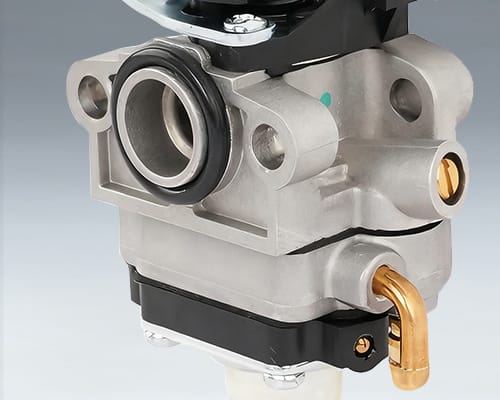
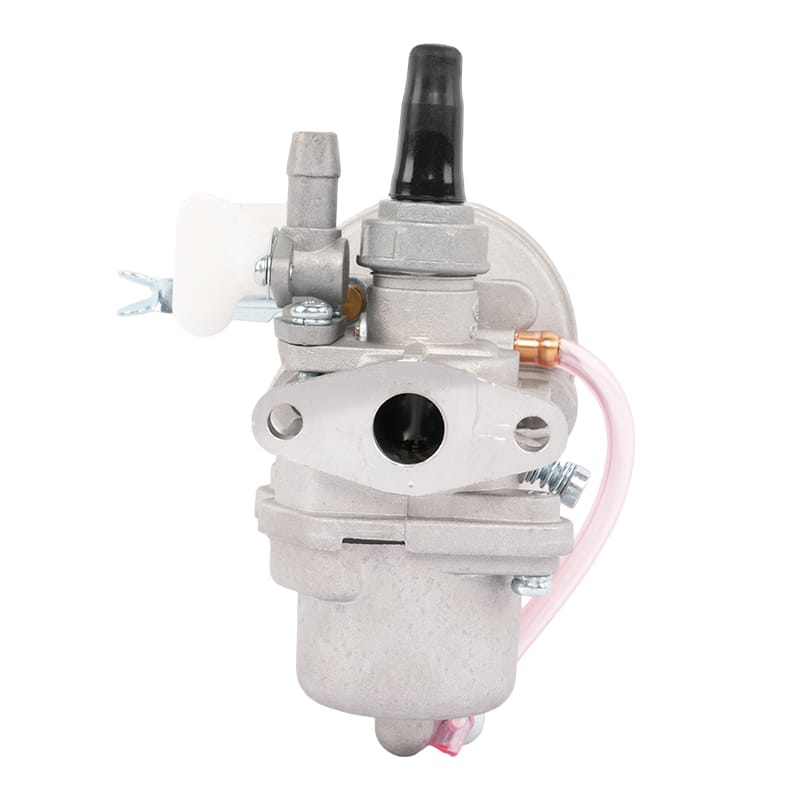
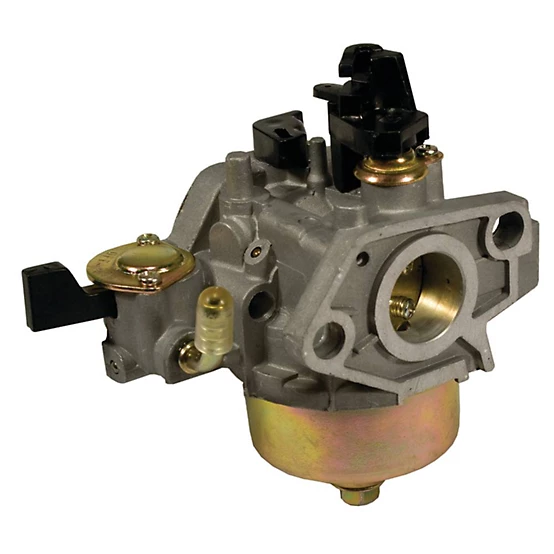
Động cơ nhỏ hiện đại đi từ máy phát điện đến thiết bị bãi cỏ vẫn phụ thuộc nhiều vào bộ chế hòa khí. Bất chấp những tiến bộ như phun nhiên liệu, hàng triệu máy móc trên toàn thế giới vẫn phụ thuộc vào a bộ chế hòa khí cho Honda để mang lại hiệu suất ổn định.Tuy nhiên, ngay cả những vấn đề nhỏ cũng có thể nhanh chóng leo thang thành lỗi khởi động, mất điện hoặc tăng mức tiêu thụ nhiên liệu.
Hướng dẫn toàn diện này vượt xa việc khắc phục sự cố cơ bản.Nó giới thiệu các khái niệm trong thế giới thực, thực tiễn chuyên nghiệp và hiểu biết được hỗ trợ bởi ngành để giúp bạn hiểu, khắc phục và tối ưu hóa hiệu suất bộ chế hòa khí một cách tự tin.
Hiểu biết về bộ chế hòa khí cho Honda Basics

Điều gì làm a Bộ chế hòa khí cho Honda Làm?
Một bộ chế hòa khí cho Honda kiểm soát tỷ lệ pha trộn của không khí và nhiên liệu trước khi đốt. hỗn hợp này phải duy trì trong phạm vi tối ưu (thường là 14,7: 1 cho động cơ xăng). bất kỳ sai lệch có thể gây ra đốt cháy không đầy đủ hoặc năng lượng kém hiệu qu.
Tại sao bộ chế hòa khí vẫn quan trọng trong động cơ hiện đại
Mặc dù hệ thống phun nhiên liệu đang trở nên phổ biến hơn, bộ chế hòa khí vẫn được sử dụng rộng rãi do tính đơn giản và hiệu quả chi phí. chúng dễ sửa chữa hơn và không yêu cầu hệ thống điều khiển điện t.
Các thành phần nội bộ chính được giải thích
Buồng phao
Buồng phao điều chỉnh mức nhiên liệu bên trong bộ chế hòa khí.Nó đảm bảo nguồn cung cấp nhiên liệu ổn định bất kể biến động nhu cầu động cơ.
Jet chính
Máy bay phản lực chính kiểm soát lượng nhiên liệu đi vào luồng không khí. tắc nghẽn ở đây là một trong những nguyên nhân phổ biến nhất của các vấn đề động cơ.
Mạch nhàn rỗi
Mạch này cung cấp nhiên liệu khi động cơ đang chạy ở tốc độ thấp. trục trặc ở đây dẫn đến chạy không tải không ổn định hoặc bị đình tr.
Bộ chế hòa khí thông thường cho các vấn đề của Honda
Động cơ Khó khởi động
Điều này thường được gây ra bởi các máy bay phản lực bị tắc hoặc nhiên liệu cũ. nhiên liệu pha trộn Ethanol có thể để lại dư lượng theo thời gian, hạn chế dòng chảy nhiên liệu.
Chạy không tải thô hoặc ngừng động cơ
Hỗn hợp không khí-nhiên liệu không đúng cách thường dẫn đến hoạt động không ổn định. điều này có thể là do các thành phần bẩn hoặc điều chỉnh không chính xác.
Mất điện khi tải
Khi bộ chế hòa khí không thể cung cấp đủ nhiên liệu, động cơ phải vật lộn với các nhiệm vụ nặng nề. điều này thường xảy ra ở các hệ thống cũ hoặc được bảo trì kém.
Tiêu thụ nhiên liệu quá mức
Quá nhiên liệu dẫn đến tiêu thụ cao hơn và tích tụ carbon.Điều này làm giảm hiệu quả và tăng lượng khí thải.
Rò rỉ nhiên liệu
Rò rỉ thường bắt nguồn từ con dấu mòn hoặc trục trặc phao. sửa chữa ngay lập tức là cần thiết để tránh các mối nguy hiểm an toàn.
Chẩn đoán nâng cao bộ chế hòa khí cho các vấn đề của Honda
Bước 1: Kiểm tra trực quan
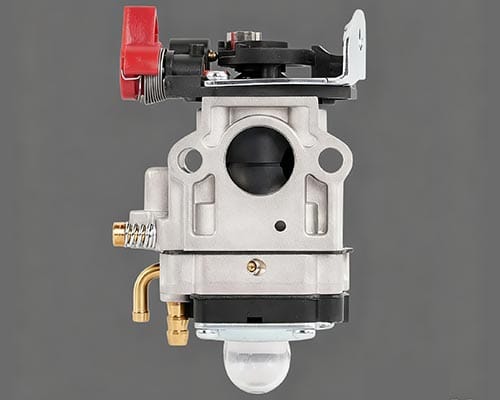
Kiểm tra bụi bẩn, ăn mòn, hoặc các thành phần bị hư hỏng. dấu hiệu bên ngoài thường chỉ ra các vấn đề nội b.
Bước 2: Phân tích chất lượng nhiên liệu
Suy thoái nhiên liệu là một yếu tố chính.Các nghiên cứu cho thấy xăng có thể bắt đầu xuống cấp trong ít nhất là 30 ngày mà không có chất ổn định.
Bước 3: Đánh giá luồng không khí
Luồng khí bị hạn chế ảnh hưởng đến hiệu quả đốt cháy. đảm bảo bộ lọc và hệ thống nạp sạch.
Bước 4: Kiểm tra nén
Nén thấp có thể bắt chước các vấn đề bộ chế hòa khí. luôn loại trừ các vấn đề cơ khí động cơ trước khi thay thế các bộ phận.
Sửa chữa và thay thế: Quyết định dựa trên dữ liệu
| Điều kiện | Tùy chọn sửa chữa | Tùy chọn thay thế |
|---|---|---|
| Tắc nghẽn nhỏ | ✔ | ✘ |
| Vòng đệm mặc | ✔ | ✘ |
| Ăn mòn nghiêm trọng | ✘ | ✔ |
| Thất bại lặp đi lặp lại | ✘ | ✔ |
| Hơn 5 năm sử dụng nặng | ✘ | ✔ |
Chi phí So sánh Insight
- Chi phí vệ sinh: Thấp (DIY hoặc lao động tối thiểu)
- Bộ công cụ xây dựng lại: Đầu tư vừa phải
- Thay thế đầy đủ: Trả trước cao hơn nhưng tuổi thọ dài hơn
Theo báo cáo bảo trì ngành công nghiệp, thay thế một bộ chế hòa khí bị mòn nghiêm trọng có thể cải thiện hiệu quả động cơ lên đến 20%.
Quy trình Sửa chữa Từng Bước
Làm sạch bộ chế hòa khí
Tháo rời
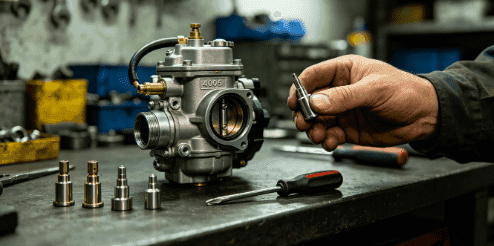
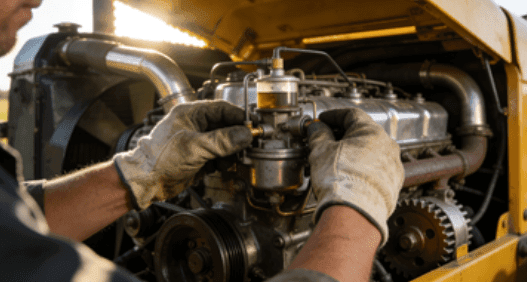
Cẩn thận tháo bộ chế hòa khí ra khỏi động cơ. dán nhãn các bộ phận để tránh nhầm lẫn trong quá trình lắp ráp lại.
Quy trình làm sạch
Sử dụng chất tẩy rửa bộ chế hòa khí chuyên dụng để loại bỏ cặn lắng.Tránh sử dụng nước hoặc dụng cụ mài mòn.
Lắp ráp lại
Đảm bảo tất cả các bộ phận được căn chỉnh đúng cách.Thay thế các miếng đệm bị mòn nếu cần thiết.
Điều chỉnh hỗn hợp không khí-nhiên liệu
Vít điều chỉnh nhàn rỗi
Xoay chậm để đạt được động cơ ổn định nhàn rỗi. điều chỉnh nhỏ làm cho sự khác biệt đáng k.
Kiểm tra phản hồi ga
Đảm bảo tăng tốc mượt mà mà không do d.
Bảo trì Thực hành tốt nhất cho bộ chế hòa khí cho Honda
Quản lý nhiên liệu
Sử dụng nhiên liệu tươi và tránh lưu trữ lâu dài trong bể chứa. bổ sung chất ổn định nhiên liệu có thể kéo dài tuổi thọ nhiên liệu lên đến 12 tháng.
Làm sạch theo lịch trình
Các khuyến nghị chuyên môn đề xuất vệ sinh sau mỗi 100 -150 giờ hoạt động.
Bảo vệ Môi trường
Bụi và độ ẩm tăng tốc độ mài mòn. lưu trữ thiết bị trong khu vực khô, có mái che.
So sánh các loại bộ chế hòa khí cho ứng dụng Honda
Bộ chế hòa khí tiêu chuẩn
Tốt nhất cho mục đích sử dụng chung. cung cấp độ tin cậy và dễ bảo trì.
Bộ chế hòa khí hiệu suất cao
Được thiết kế để tăng sản lượng điện. lý tưởng cho các ứng dụng nặng.
So sánh OEM và hậu mãi
| Tính năng | Bộ chế hòa khí OEM | Bộ chế hòa khí hậu mãi |
|---|---|---|
| Khả năng tương thích | Phù hợp hoàn hảo | Có thể thay đổi |
| Chi phí | Cao hơn | Thấp hơn |
| Hiệu suất | Ổn định | Có thể thay đổi |
| Sẵn có | Giới hạn | Có sẵn rộng rãi |
Nghiên cứu trường hợp thực tế
Trường hợp: Khởi động máy phát điện thất bại
Một máy phát điện thương mại không khởi động được sau khi lưu trữ vào mùa đông. kiểm tra cho thấy máy bay phản lực bị tắc do dư lượng nhiên liệu.
Giải pháp:
- Làm sạch bộ chế hòa khí đầy đ
- Thay thế các miếng đệm
- Hệ thống nhiên liệu tuôn ra
Kết quả:
Hiệu suất động cơ được khôi phục, với hiệu suất nhiên liệu được cải thiện và hoạt động ổn định.
Tiêu chuẩn và hiểu biết sâu sắc về ngành
Quy định về khí thải
Động cơ nhỏ phải tuân thủ các tiêu chuẩn như quy định EPA Giai đoạn III. chức năng bộ chế hòa khí thích hợp giúp giảm lượng khí thải.
Xu hướng Độ bền Vật liệu
Bộ chế hòa khí hiện đại ngày càng sử dụng hợp kim chống ăn mòn. điều này kéo dài tuổi thọ trong môi trường khắc nghiệt.
Dữ liệu bảo trì
Sách trắng chỉ ra rằng bảo trì bộ chế hòa khí thường xuyên có thể kéo dài tuổi thọ động cơ lên tới 30%.
Xử lý sự cố Checklist
Hướng dẫn kiểm tra nhanh
- Động cơ won't start → Kiểm tra dòng nhiên liệu
- Động cơ chết máy → Kiểm tra mạch không tải
- Khói đen → Điều chỉnh hỗn hợp nhiên liệu
- Rò rỉ nhiên liệu → Thay thế con dấu
Câu hỏi thường gặp
Tại sao là của tôi bộ chế hòa khí cho Honda không cung cấp nhiên liệu?
Điều này thường là do máy bay phản lực bị tắc hoặc đường nhiên liệu bị chặn. làm sạch bộ chế hòa khí và kiểm tra bộ lọc nhiên liệu thường giải quyết vấn đ.
Tôi có thể tự mình chế tạo lại bộ chế hòa khí cho Honda không?
Có, với các công cụ thích hợp và bộ công cụ xây dựng lại. tuy nhiên, người mới bắt đầu nên làm theo hướng dẫn chi tiết để tránh lỗi lắp ráp.
Bộ chế hòa khí cho Honda tồn tại được bao lâu?
Với việc bảo trì thích hợp, nó có thể tồn tại 3 -5 năm hoặc lâu hơn tùy thuộc vào điều kiện sử dụng.
Điều gì xảy ra nếu tôi bỏ qua các vấn đề về bộ chế hòa khí
Bỏ qua các vấn đề có thể dẫn đến hư hỏng động cơ, tăng mức tiêu thụ nhiên liệu và cuối cùng là hỏng hệ thống.
Nâng cấp bộ chế hòa khí cho Honda có đáng không?
Nâng cấp có thể cải thiện hiệu suất và hiệu quả, đặc biệt đối với các ứng dụng nặng.
Phần kết luận
Sửa chữa bộ chế hòa khí cho Honda các vấn đề không chỉ là giải quyết các vấn đề trước mắt của Fit, về việc hiểu hệ thống, áp dụng các chiến lược bảo trì phù hợp và đưa ra quyết định sáng suốt. cho dù bạn đang bảo trì thiết bị cho mục đích sử dụng cá nhân hay quản lý máy móc công nghiệp, bộ chế hòa khí hoạt động tốt đảm bảo độ tin cậy, hiệu quả và giá trị lâu dài.
Bằng cách kết hợp các kỹ thuật sửa chữa thực tế với những hiểu biết chuyên môn và dữ liệu ngành, bạn có thể tự tin xử lý các thách thức của bộ chế hòa khí và giữ cho thiết bị của bạn hoạt động ở hiệu suất cao nhất.