Chúng tôi rất vui mừng chào đón bạn đến đây. Trước khi đi sâu vào nội dung hôm nay, chúng tôi rất muốn kết nối với bạn ngoài trang này. Trên các kênh truyền thông xã hội của mình, chúng tôi thường xuyên chia sẻ những thông tin chuyên sâu mới nhất về ngành, các sản phẩm đổi mới, những cập nhật hậu trường và các mẹo hữu ích — đây cũng là nơi hoàn hảo để chúng tôi tương tác trực tiếp với bạn!
Theo dõi chúng tôi trên:
- Facebook: Công ty TNHH Máy móc Lâm Dương Huayang.
Hãy cùng nhau phát triển, học hỏi và đổi mới.
Mục lục
Giới thiệu
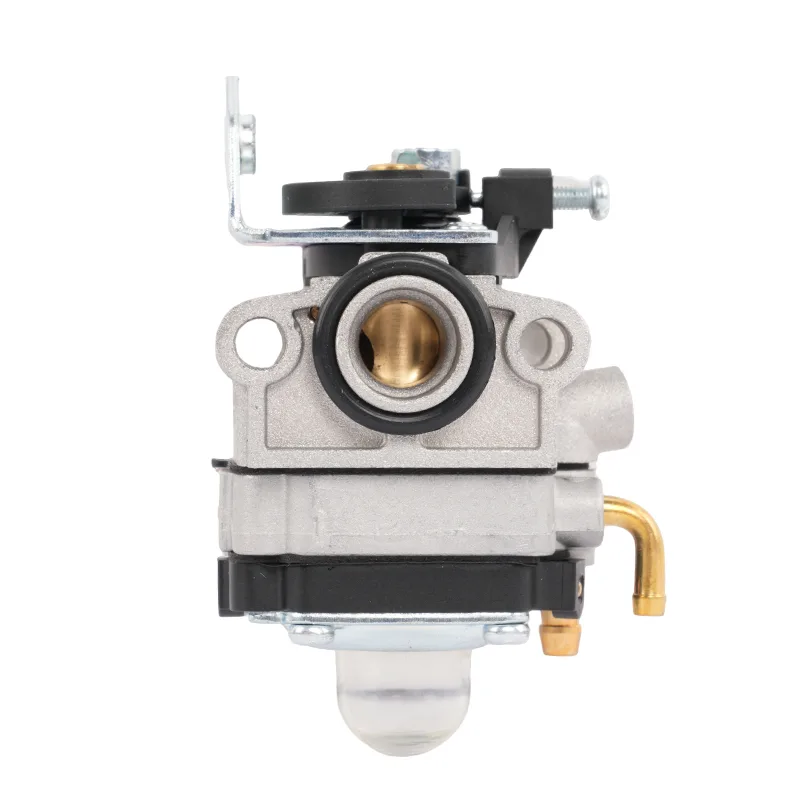
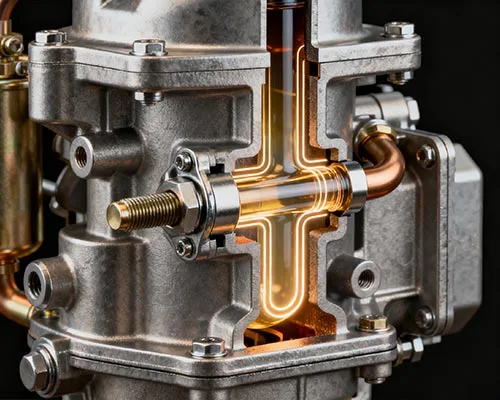
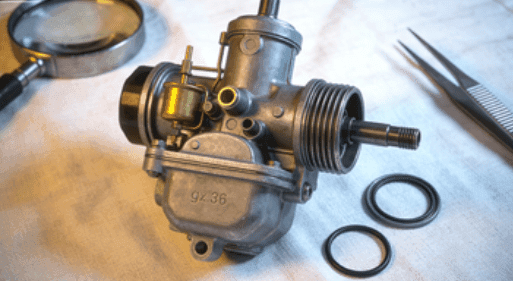
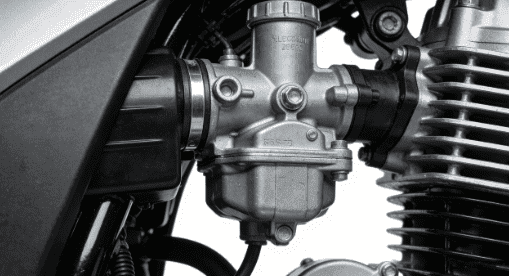
Whether you’re maintaining a backyard lawn mower or managing a fleet of small farm engines, the carburetor plays a pivotal role in engine performance. Often overlooked until it fails, the carburetor is the engine’s breathing and fuel delivery system. According to combustion efficiency research in small engines, improper air–fuel mixing can reduce power output by up to 25% and increase emissions by 30–45%, which affects fuel economy and long‑term engine health. Choosing the Bộ chế hòa khí tốt nhất isn’t just maintenance — it’s an investment in reliability, efficiency, and performance sustainability.
What a Carburetor Actually Does
The Chemistry of Combustion
A carburetor’s role is to blend fuel and air into a fine mist optimal for combustion. In a four‑stroke gasoline engine, fuel enters the intake manifold, mixes with air in precise proportion, and burns during the power stroke. When this mixture is correct, combustion efficiency peaks near the ideal Air–Fuel Ratio (AFR) of 14.7:1 for gasoline engines — meaning 14.7 parts air to 1 part fuel by mass.
Why Air–Fuel Ratio Matters
- Lean mixtures (too much air): Can cause knocking, overheating, and poor throttle response.
- Rich mixtures (too much fuel): Lead to black smoke, fouled spark plugs, and deposit buildup.
- Optimal AFR: Improves power, reduces emissions, and extends component life.
Carburetor Types Used in Lawn Mowers and Farm Equipment
To choose the Bộ chế hòa khí tốt nhất, you must understand how each type functions:
Float‑Type Carburetors — Most Common for Horizontal Engines
Float‑type carburetors maintain a consistent fuel level using a float bowl, similar to a toilet tank. When the fuel drops, the float opens the inlet valve, maintaining a stable fuel supply. These work well on flat‑mounted engines but can flood or starve if the machine tilts.
Diaphragm Carburetors — For Portable and Angled Equipment
Diaphragm carburetors use a flexible membrane to meter fuel. Since they are not gravity‑dependent, they are ideal for handheld or multi‑orientation tools like brush cutters and trimmers.
Adjustable Carburetors — For Precision Tuning
These allow fine‑tuning of idle and main mixture screws, enabling performance optimization for altitude, temperature, and load variations.
Comparison Table — Carburetor Types and Use Cases
| Feature / Requirement | Float‑Type | Diaphragm | Adjustable |
|---|---|---|---|
| Orientation | Flat only | Any angle | Mostly flat |
| Ease of Adjustment | Vừa phải | Thấp | Cao |
| Suitability | Lawn mowers | Handheld tools | Tractors & heavier engines |
| Fuel Delivery Control | Standard | Flexible | Precise |
Standards and Regulations Affecting Carburetor Performance
Engine Standards That Influence Carburetor Design
Carburetor optimization is influenced by engine emissions and diagnostics standards:
- SAE J1979 — Defines how engine diagnostic data, including AFR and combustion efficiency, should be interpreted.
- ISO 8178 Series — Established for measuring non‑road emissions; indirectly affects carburetor design for cleaner combustion.
Environmental and Efficiency Requirements
In regions with strict emissions legislation, such as the EPA Tier 4 and EU Stage V standards, effective air–fuel mixing improves compliance. While small engines historically lagged behind automotive regulation, tightening standards encourage better carburetor design.
Key Factors to Consider When Selecting the Best Carburetor
Kích thước động cơ Tương thích
Carburetor capacity must align with engine displacement. Misalignment can reduce volumetric efficiency, increasing fuel consumption and rough running.
Điều chỉnh hỗn hợp không khí - nhiên liệu
A carburetor that allows adjustment of both idle and main circuits gives greater versatility to adapt for:
- altitude
- seasonal temperature changes
- different fuel blends
Chất liệu và chất lượng xây dựng
High‑quality materials resist corrosion, vibration, and typical environmental challenges:
- Aluminum alloys: Light and corrosion‑resistant
- Brass jets: Maintain dimensional stability over time
- Multi‑layer diaphragms: Resist fuel degradation
Tác động môi trường và hoạt động

Độ cao và mật độ không khí
Air density decreases with altitude (about 3% per 1,000 ft). At 5,000 ft, engines need significantly leaner jets to maintain efficient combustion. Adjustable carburetors allow users to compensate without engine derating.
Vấn đề chất lượng nhiên liệu
Ethanol blends in gasoline can attract moisture and cause varnish or gum buildup. Carburetor components that tolerate ethanol effects sustain better long‑term operation.
Tối ưu hóa và điều chỉnh hiệu suất
“Tốt nhất” Thực sự có nghĩa là gì trong Hiệu suất bộ chế hòa khí
Performance should be evaluated on measurable criteria:
- Combustion stability
- Idle quality
- Throttle responsiveness
- Re‑acceleration behavior
Kỹ thuật tối ưu hóa
- Jet resizing for altitude or fuel type
- Adjusting needle position for load conditions
- Fine‑tuning idle speed for smoother engine transition
Thực hành bảo trì giúp duy trì hiệu quả của bộ chế hòa khí
Vệ sinh và kiểm tra định kỳ
Routine maintenance improves engine longevity:
- Remove deposits from jets and passages
- Inspect float height
- Check diaphragm flexibility
Khắc phục sự cố Các triệu chứng thường gặp
| Triệu chứng | Possible Carburetor Cause |
|---|---|
| Khởi động khó khăn | Flooded float or clogged idle jet |
| Engine hesitates | Lean main mixture |
| Black exhaust | Rich idle mixture |
| Stalling under load | Fuel starvation |
Nghiên cứu trường hợp RealitarWorld

Nghiên cứu điển hình: Máy cắt cỏ trong điều kiện ẩm ướt
A homeowner in a humid region reported that standard float carburetor performance deteriorated during wet seasons. After re‑calibration and improved mixture control, idle stability improved and stalling frequency dropped significantly.
Case Study: Small Tractor in Uneven Terrain
Farm equipment used on hilly fields suffered performance inconsistencies. A carburetor with superior adjustability and vapor management reduced power drop‑off during elevation changes, enhancing operation reliability.
Câu hỏi thường gặp
How Do I Know If My Bộ chế hòa khí Is Compatible?
Verify engine displacement, intake orientation, and existing linkage configuration. Manuals and OEM specifications are valuable reference points.
What Is the Optimal Air–Fuel Ratio?
The stoichiometric ratio for gasoline is 14.7:1, but real‑world engines often run slightly richer (13.5–14.0:1) for durability and cooling.
Can Carburetors Be Tuned for Season Changes?
Yes — by adjusting mixture screws and needle settings, performance can be optimized for summer heat or winter cold.
How Often Should I Service the Carburetor?
For frequently used farm equipment, inspect every 50 operating hours or at least once per season.
Are Aftermarket Carburetors Reliable?
High‑quality aftermarket carburetors adhere to performance standards and often offer more tuning flexibility than stock components.
Phần kết luận
Selecting the Bộ chế hòa khí tốt nhất goes beyond part replacement. It involves understanding combustion principles, environmental conditions, engine demands, and maintenance discipline. By evaluating carburetor types, performance characteristics, adjustability, and real‑world use patterns, you ensure your mower, tractor, or engine performs at peak efficiency — consistently and reliably.