Welcome to Our Blog!
We’re thrilled to have you here. Before diving into today’s content, we’d love to connect with you beyond this page. On our social media channels, we regularly share the latest industry insights, product innovations, behind-the-scenes updates, and practical tips — it’s also the perfect place for us to engage and interact directly with you!
Follow us on:
- Facebook: Linyang Huayang Machinery Co., Ltd.
Let’s grow, learn, and innovate together. Now, let’s jump into the blog — we hope you find the content both insightful and actionable!
Table of Contents
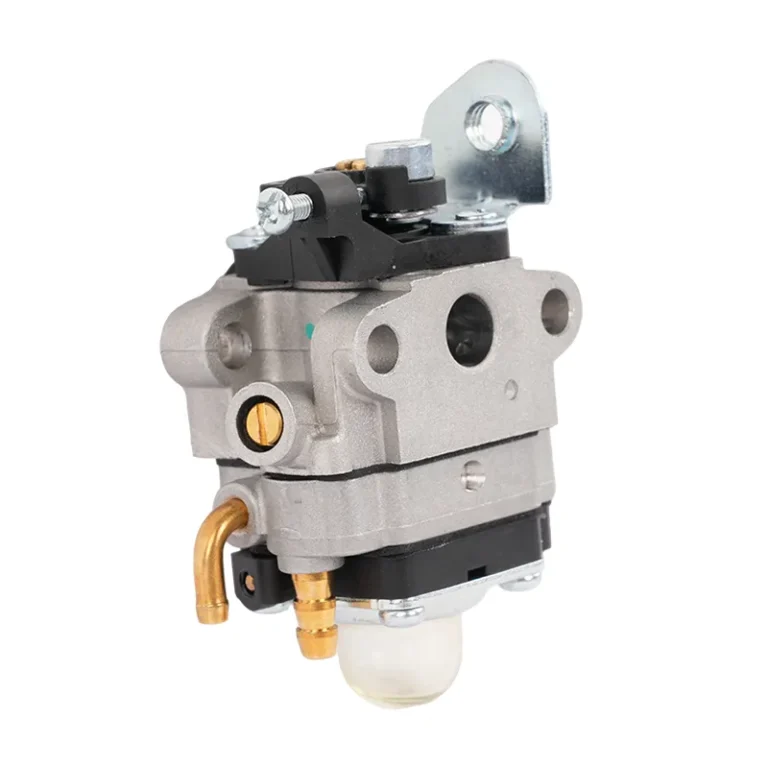
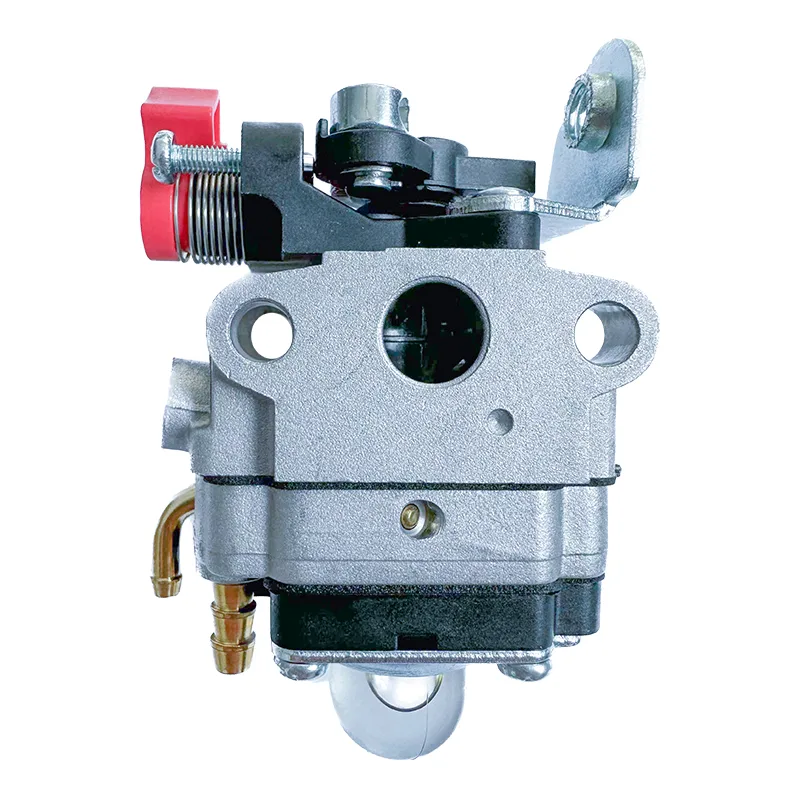
The carburetor for brush cutter is a small but critical component that determines how well your engine performs. Even minor carburetor issues can result in poor cutting performance, excessive fuel consumption, or irreversible engine damage. Recognizing early signs of malfunction is essential for both casual users and professional landscapers.
In this comprehensive guide, we will break down each symptom of a failing carburetor, explain the underlying causes, and provide practical solutions. Backed by industry data and expert insights, this article will equip you with the knowledge to maintain your brush cutter for optimal performance.
Key Takeaways from This Article
- What a brush cutter carburetor is and why it matters
- Detailed signs that your carburetor needs repair
- How to differentiate carburetor problems from other engine issues
- Step-by-step troubleshooting tips
- Preventive maintenance strategies
- FAQ addressing common user questions
Understanding the Brush Cutter Carburetor
What Is a Carburetor for Brush Cutter?
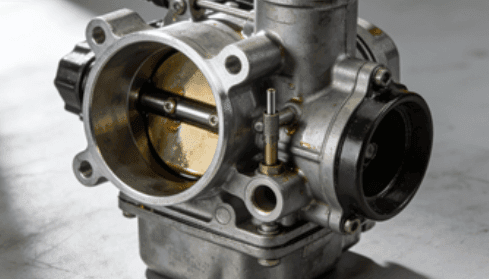
The carburetor for brush cutter is a precision device that mixes air and fuel in the correct ratio for combustion. It directly affects:
- Engine starting and idling
- Cutting performance and power
- Fuel efficiency and emissions
Expert insight: According to the Small Engine Manufacturers Association (SEMA), over 40% of small engine failures are carburetor-related, highlighting the importance of timely maintenance.
How a Carburetor Works
- Air Intake: Controlled by the throttle valve to regulate engine speed.
- Fuel Delivery: Managed via jets and needle valves to maintain the correct air-fuel ratio.
- Combustion: Proper mixture ignites in the engine cylinder to produce power.
Expert Note: Any disruption in the fuel-air balance results in poor engine performance, stalling, excessive smoke, or overheating.
Types of Brush Cutter Carburetors
| Type | Characteristics | Common Applications |
|---|---|---|
| Float-type | Simple, inexpensive, easy to repair | Small handheld brush cutters |
| Diaphragm-type | Works in any orientation, stable | Professional landscaping equipment |
| Primer bulb carburetor | Eases cold start | Residential and commercial units |
Tip: Knowing your carburetor type is crucial for proper troubleshooting and maintenance.
Detailed Signs Your Brush Cutter Carburetor Needs Repair
Below is a comprehensive breakdown of each sign, with causes, explanations, and solutions.
1. Hard Starting Engine
Symptom: The engine requires multiple pulls to start or fails to start at all.
Causes:
- Fuel clogs in carburetor jets
- Incorrect fuel-air mixture
- Residue from old or stale fuel
Solutions:
- Clean the carburetor jets and fuel bowl
- Adjust the fuel-air mixture screw according to manufacturer instructions
- Replace old fuel with fresh gasoline
Professional Tip: Small Engine Maintenance manuals recommend inspecting the carburetor first if the brush cutter fails to start more than twice consecutively.
2. Frequent Engine Stalling
Symptom: Engine stalls unexpectedly at idle or under load.
Causes:
- Improper fuel delivery
- Clogged or worn carburetor components
- Air leaks in gaskets or fuel lines
Solutions:
- Inspect and replace worn gaskets
- Clean carburetor thoroughly, including float and diaphragm
- Ensure fuel lines are intact and not leaking
Data Insight: According to a 2022 Briggs & Stratton service report, stalled engines account for 35% of carburetor-related complaints.
3. Reduced Engine Power
Symptom: Engine runs slower than usual, struggles to maintain RPMs, or sputters during operation.
Causes:
- Partially blocked jets limiting fuel supply
- Worn needle valves affecting fuel flow
- Lean or rich fuel mixture
Solutions:
- Disassemble and clean jets
- Replace damaged or worn needles
- Adjust mixture for balanced fuel delivery
Expert Opinion: Honda Small Engine guidelines emphasize that even a 10% blockage in jets can reduce engine output by up to 15%.
4. Excessive Smoke from Exhaust
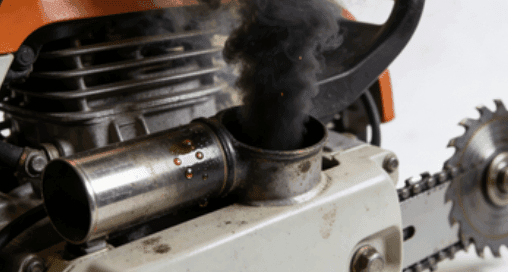
Symptom: Black, white, or bluish smoke emitted from the exhaust.
Causes & Meaning:
- Black smoke: Too rich mixture (excess fuel)
- White smoke: Possible oil contamination or lean mixture
- Blue smoke: Burning oil due to gasket leaks or carburetor flooding
Solutions:
- Adjust fuel-air mixture
- Inspect gaskets and diaphragms
- Clean the carburetor thoroughly
Comparison Table: Smoke Type vs Carburetor Issue
| Smoke Color | Likely Carburetor Cause | Recommended Action |
|---|---|---|
| Black | Rich mixture | Reduce fuel flow, adjust mixture |
| White | Lean mixture | Increase fuel flow, check jets |
| Blue | Oil entry/flooding | Inspect gaskets & diaphragms, clean carb |
5. Increased Fuel Consumption
Symptom: Noticeably higher fuel usage than normal.
Causes:
- Carburetor over-delivering fuel
- Worn or misadjusted needle valves
- Partial blockage causing uneven spray pattern
Solutions:
- Adjust the mixture screw for efficiency
- Replace worn parts
- Regular cleaning to maintain fuel atomization
Industry Insight: Properly tuned carburetors can reduce fuel consumption by 10–20%, a significant savings for commercial users.
6. Vibrations and Engine Noise
Symptom: Irregular vibrations or knocking sounds during operation.
Causes:
- Misaligned carburetor
- Loose mounting bolts or gaskets
- Uneven fuel supply causing engine misfires
Solutions:
- Tighten mounting screws and bolts
- Inspect gaskets for wear
- Ensure smooth throttle operation
Pro Tip: Excessive vibration can also indicate secondary engine issues; always inspect carburetor first for safety.
7. Flooding and Fuel Leaks
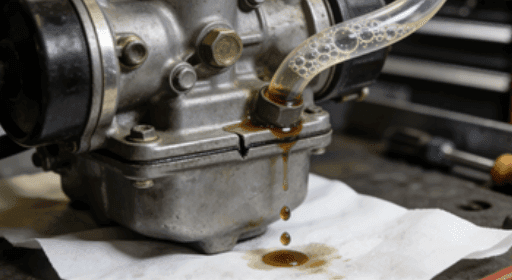
Symptom: Fuel spilling from the carburetor or strong fuel odor.
Causes:
- Stuck float
- Worn needle valve
- Improper fuel line connections
Solutions:
- Replace float and needle valve if necessary
- Ensure all connections are sealed
- Clean fuel bowl to remove debris
Visual Check: A minor flood can be resolved at home; severe flooding may require professional repair.
8. Engine Overheating
Symptom: Engine runs hotter than normal or shuts down during use.
Causes:
- Incorrect fuel-air ratio
- Lean mixture causing high combustion temperature
- Clogged jets restricting fuel flow
Solutions:
- Adjust fuel-air mixture
- Clean jets and carburetor components
- Use fuel recommended by the manufacturer
Expert Note: Prolonged overheating can warp engine components and shorten lifespan.
Data Insights: Quantifying Carburetor Impact
Frequency of Carburetor Failures
| Issue | % of Small Engine Failures | Source |
|---|---|---|
| Carburetor clogging | 42% | SEMA 2023 |
| Float/needle valve failure | 18% | Briggs & Stratton 2022 |
| Improper fuel-air mixture | 15% | Honda Technical Manual 2022 |
| Other engine issues | 25% | SEMA 2023 |
Fuel Consumption Impact
| Condition | Avg Fuel Use (L/hour) | Notes |
|---|---|---|
| Well-maintained carburetor | 0.75 | Normal usage at 4000 RPM |
| Clogged carburetor | 0.90 | ~20% increase |
| Misadjusted mixture | 1.00 | ~33% increase |
| Flooded carburetor | 1.15 | >50% increase |
Engine Performance Metrics
| Symptom | RPM Drop | Power Loss (%) | Time to Failure if Ignored |
|---|---|---|---|
| Hard starting | 10–20% | 5–10% | 1–2 months |
| Stalling | 15–25% | 10–15% | 2–3 months |
| Reduced speed | 20–30% | 15–20% | 3–4 months |
| Excess smoke | 5–10% | 5–10% | 1–2 months |
Interpretation: Even minor carburetor issues can significantly reduce engine efficiency over time.
Troubleshooting and Maintenance Checklist
Step-by-Step Maintenance for Carburetor Health
| Task | Frequency | Notes |
|---|---|---|
| Inspect carburetor for leaks | Monthly | Check gaskets and mounting bolts |
| Clean jets and float | Every 20–30 hours | Prevent clogging from varnish or debris |
| Check fuel lines | Monthly | Replace cracked or hardened hoses |
| Adjust fuel-air mixture | Seasonal | Follow manufacturer’s guide |
| Empty fuel for storage | After use | Prevent gum and residue buildup |
Preventive Maintenance Tips
- Use Fresh Fuel: Avoid leaving fuel in the tank for more than 30 days.
- Regular Cleaning: Clean carburetor every season or after heavy use.
- Proper Storage: Run engine dry before long-term storage.
- Routine Adjustment Checks: Ensure mixture screws and throttle linkages function properly.
Expert Advice: Briggs & Stratton service guides suggest preventive maintenance reduces carburetor failures by 40–50%.
Final Thoughts
The carburetor for brush cutter may seem small, but it plays a crucial role in engine performance, fuel efficiency, and longevity. By recognizing early signs of malfunction, performing timely maintenance, and understanding when to repair or replace, you can keep your brush cutter running safely and efficiently for years.
Early detection and preventive care are the keys to saving costs, improving performance, and extending engine life.
FAQ
How do I know if the carburetor is the problem?
Look for multiple signs such as hard starting, stalling, smoke, and poor performance. Eliminate other causes like spark plug or air filter before concluding.
Can I repair a carburetor myself?
Minor cleaning and adjustments are DIY-friendly. For damaged floats, needles, or diaphragms, consult a professional.
How often should I inspect the carburetor?
At least once per season, or after every 20–30 hours of operation.
Is it cheaper to repair or replace?
Cleaning and minor repairs are cost-effective. Severe damage usually requires replacement.
What happens if I ignore carburetor issues?
Ignoring problems can lead to engine failure, higher fuel costs, unsafe operation, and expensive repairs.