We’re thrilled to have you here. Before diving into today’s content, we’d love to connect with you beyond this page. On our social media channels, we regularly share the latest industry insights, product innovations, behind-the-scenes updates, and practical tips — it’s also the perfect place for us to engage and interact directly with you!
Follow us on:
- Facebook: Linyang Huayang Machinery Co., Ltd.
Let’s grow, learn, and innovate together.
Table of Contents
Blog Overview: Key Takeaways
In this guide, you will learn:
- What a carburetor of lawn mower is and why it’s important
- How it works and affects engine performance
- Common problems and troubleshooting techniques
- Maintenance tips for optimal function
- Differences between types of carburetors
- Step-by-step cleaning and adjustment guides
- Cost considerations and replacement options
- FAQ addressing common user concerns
Understanding the Carburetor of Lawn Mower
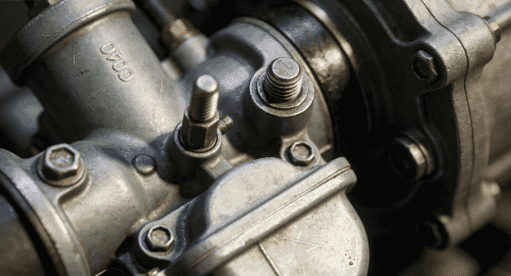
What is a Carburetor?
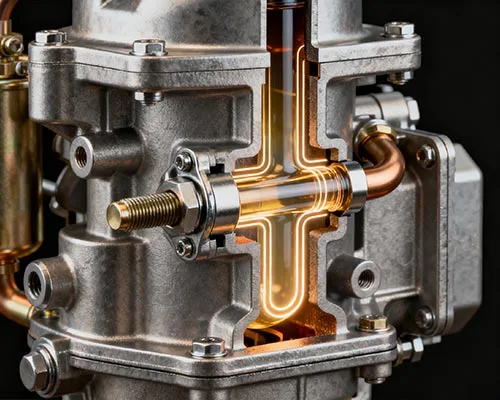
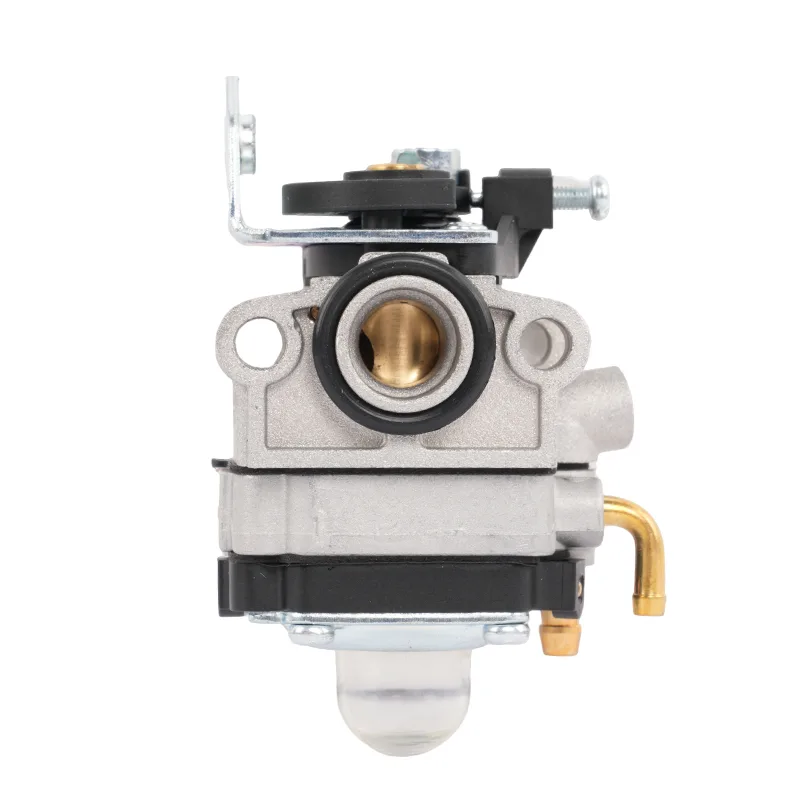
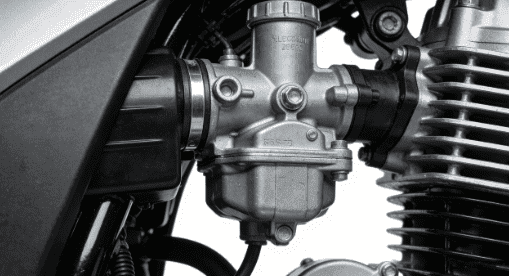
The carburetor is a mechanical device that mixes air and fuel in precise ratios for internal combustion. Proper carburetor function is critical for engine efficiency, fuel economy, and consistent mower performance. In modern small engines, the carburetor is often the main factor influencing engine reliability and smooth operation.
Key Functions
Fuel-Air Mixture
- Ensures engine receives the correct ratio of fuel and air for efficient combustion.
- Too much fuel → engine flooding, black smoke, poor fuel economy.
- Too little fuel → engine stalling, sputtering, uneven cutting performance.
Engine Speed Regulation
- Adjusts fuel delivery based on load: thick grass, slopes, or light trimming.
- Maintains stable RPM for consistent cutting height and blade speed.
Idle and Throttle Control
- Controls fuel flow during idle or full-throttle.
- Enables smooth start-ups, responsive acceleration, and steady operation under different mowing conditions.
How the Carburetor of Lawn Mower Works
Understanding how the carburetor of lawn mower works is essential for proper maintenance, troubleshooting, and maximizing engine performance. A carburetor not only mixes fuel and air but also regulates flow, maintains stability under varying loads, and impacts fuel efficiency.
Step-by-Step Process
1. Fuel Delivery
The first step in carburetor operation is fuel delivery. Fuel flows from the tank into the float chamber, where a float and float valve system maintain a constant fuel level.
- Float Valve Mechanism: The float rises and falls with fuel level, opening or closing the valve to maintain a steady supply.
- Importance: Proper fuel delivery prevents engine flooding (too much fuel) or fuel starvation (too little fuel).
- Pro Tip: Stale fuel or debris in the float chamber is a common cause of engine starting problems. Cleaning the chamber every season can prevent this.
Example: For a typical 4-stroke push mower with a 140cc engine, the float chamber usually holds around 100–150 mL of fuel, sufficient for 30–45 minutes of continuous operation.
2. Air Intake
Air is drawn into the carburetor through the air filter, which removes dust, grass, and other debris. Clean air is critical for proper combustion and prevents premature engine wear.
- Venturi Effect: Once inside the carburetor, air passes through the venturi, a narrow passage where velocity increases and pressure drops. This pressure difference draws fuel into the airstream.
- Air Quality Matters: A clogged or dirty air filter can restrict airflow, leading to a rich fuel mixture, black smoke, and poor engine performance.
Tip: Check air filters every 10–15 hours of operation or more frequently in dusty conditions. Foam filters can be washed, while paper filters often require replacement.
3. Mixing and Atomization
Once fuel enters the airflow through the main jet, it mixes with air to form a fine mist, optimizing combustion efficiency.
- Atomization: Fine mist allows fuel to burn more completely, producing maximum power and minimal emissions.
- Fuel-Air Ratio: Ideal ratios for small engines are typically around 14.7:1 (air:fuel by weight). Deviations can lead to:
- Too rich → black smoke, carbon deposits, fouled spark plugs
- Too lean → overheating, engine knocking, stalling
Note: Using ethanol-blended fuels can cause corrosion and gum formation in the jets if not cleaned regularly.
4. Combustion
The air-fuel mixture is drawn into the cylinder and ignited by the spark plug. This creates the power that rotates the blades and drives the mower.
- Power Transmission: The combustion pressure pushes the piston down, turning the crankshaft and transferring motion to the mower blades.
- Efficiency Consideration: A well-adjusted carburetor can increase fuel efficiency by 10–15% compared to a poorly tuned one.
Tip: For mowers with high RPM engines (e.g., 3,400–3,600 RPM), even minor carburetor misadjustments can noticeably affect cutting performance.
Common Problems with Lawn Mower Carburetors
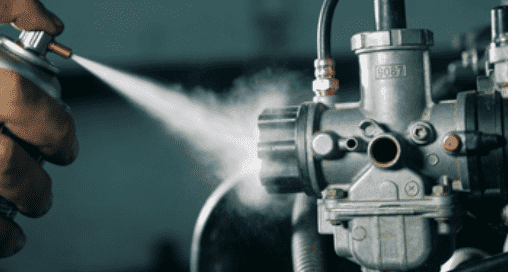
Understanding the common issues helps with preventive maintenance and quick troubleshooting.
Engine Won’t Start
- Causes:
- Clogged jets preventing fuel flow
- Stale fuel causing gum and varnish buildup
- Float valve stuck or misaligned
- Solution:
- Clean carburetor thoroughly
- Replace old fuel
- Inspect and adjust the float
Case Example: A homeowner reported that their push mower would crank but not start. Cleaning the carburetor jets and replacing fuel resolved the issue within 20 minutes.
Poor Engine Performance
- Symptoms:
- Engine sputtering or backfiring
- Uneven speed, surging, or stalling under load
- Black smoke from the exhaust
- Fix:
- Adjust fuel-air mixture screw
- Inspect air filter and replace if necessary
- Rebuild the carburetor if jets or diaphragms are worn
Data Insight: Studies show that a 0.1 mm blockage in the main jet can reduce engine power output by up to 8–10%, enough to noticeably affect cutting performance.
Flooding or Fuel Leakage
- Causes:
- Float stuck in the down position, allowing fuel to overflow
- Worn or cracked gaskets causing leaks
- Diaphragm failure in diaphragm carburetors
- Solution:
- Inspect float mechanism for smooth movement
- Replace faulty gaskets
- Reassemble with proper torque to prevent leaks
Maintenance Tip: Always use original manufacturer gaskets. Even small differences in thickness or material can affect fuel flow and engine performance.
Additional Issues
- Leaning Mixture: Air-fuel mix too lean → engine runs hot, cutting performance drops, risk of piston damage
- Choke Problems: Malfunctioning choke can prevent proper cold starts
- Fuel Line Blockage: Small debris in fuel lines may reduce flow, causing engine hesitation
Types of Lawn Mower Carburetors
| Type | Description | Best For |
|---|---|---|
| Float-Type Carburetor | Standard, uses float to regulate fuel | Most push mowers and small engines |
| Diaphragm Carburetor | Uses flexible diaphragm instead of float | Portable or tilted engines |
| Constant Vacuum Carburetor | Maintains constant vacuum for efficiency | Commercial and high-performance mowers |
Insight: Float-type is most common, while diaphragm carburetors excel in portability and tilting applications. Constant vacuum carburetors provide consistent performance under heavy load.
Maintenance Tips for the Carburetor of Lawn Mower
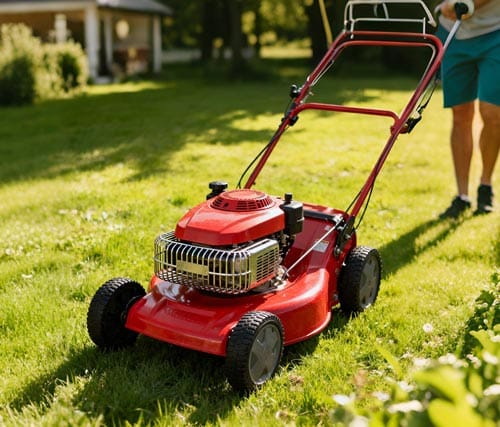
Regular Cleaning
- Remove dirt, grass, and old fuel residues
- Use carburetor cleaner sprays
Proper Storage
- Drain fuel during winter or long-term storage
- Prevents gumming and corrosion
Adjustment Guidelines
- Idle speed and fuel mixture screws should be tuned according to engine manual
- Avoid overtightening to prevent damage
Step-by-Step Cleaning Process
Tools Needed
- Screwdrivers, carburetor cleaner, compressed air, small brush
Cleaning Steps
- Remove carburetor from engine
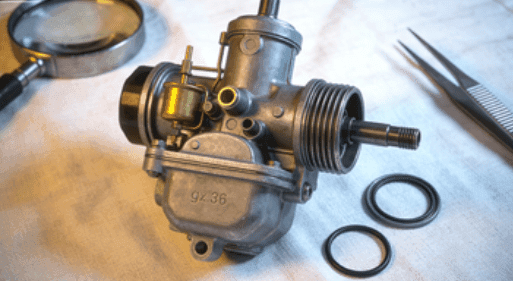
- Disassemble float, jets, and gaskets
- Spray cleaner and remove debris
- Blow compressed air through jets
- Reassemble and reinstall
Troubleshooting Quick Guide
Symptom vs Cause vs Solution
| Symptom | Possible Cause | Solution |
|---|---|---|
| Engine won’t start | Clogged jets or old fuel | Clean carburetor, replace fuel |
| Engine sputtering | Air-fuel mix imbalance | Adjust mixture screw |
| Engine flooding | Stuck float | Inspect float, replace if needed |
| Black smoke | Too rich fuel mixture | Adjust fuel-air ratio |
Comparison: Carburetor vs Fuel Injection
| Feature | Carburetor | Fuel Injection |
|---|---|---|
| Cost | Low | High |
| Maintenance | Moderate | Low |
| Fuel Efficiency | Medium | High |
| Adjustment Flexibility | Easy manual tuning | Requires diagnostics |
| Performance in Tilted Positions | Limited | Excellent |
Insight: Carburetors are cost-effective and simple, while fuel injection offers higher efficiency and less frequent maintenance.
FAQ
How often should I clean the carburetor?
Ideally once a season or after 25–30 hours of operation.
Can I use fuel stabilizer to prevent clogging?
Yes, it prevents gum formation in the float chamber and jets.
How do I know if my carburetor is clogged?
Symptoms include engine stalling, black smoke, uneven idling, or difficulty starting.
Is it better to repair or replace a carburetor?
- Minor issues → repair
- Major wear or cracks → replace for safety and efficiency
Can I adjust the carburetor myself?
Yes, but follow manufacturer instructions to avoid engine damage.
Conclusion
The carburetor of lawn mower is a vital component affecting engine performance, efficiency, and longevity. Understanding how it works, performing regular maintenance, and troubleshooting common problems can extend the life of your mower and ensure optimal performance.
Choosing between types of carburetors and knowing how to clean, adjust, or replace them empowers both DIY enthusiasts and professional landscapers to maintain a reliable lawn mower.