Kami sangat senang Anda berada di sini. Sebelum membahas konten hari ini, kami ingin terhubung dengan Anda di luar halaman ini. Di saluran media sosial kami, kami secara rutin membagikan wawasan industri terbaru, inovasi produk, pembaruan di balik layar, dan kiat praktis — ini juga merupakan tempat yang tepat bagi kami untuk terlibat dan berinteraksi langsung dengan Anda!
Ikuti kami di:
- Facebook: Linyang Huayang Machinery Co., Ltd.
Mari kita tumbuh, belajar, dan berinovasi bersama.
Daftar isi
Perkenalan
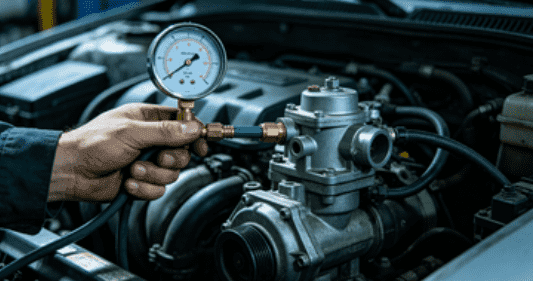
Di era yang didominasi oleh sistem injeksi bahan bakar elektronik, karburator mekanis mungkin tampak ketinggalan jaman. Namun, dalam dunia penyetelan kinerja, mesin klasik, dan teknik motorsport, yang karburator 4 barel kecil terus memegang posisi kritis.
Menurut laporan industri purnajual otomotif (SEMA 2025 insights), sistem kinerja berbasis karburator masih mencakup sekitar 18 В 2 2% dari pasar modifikasi mesin kinerja global, khususnya di Amerika Utara, Australia, dan sektor restorasi mobil klasik.
Alasannya sederhana: a disetel dengan benar karburator 4 barel kecil memberikan kontrol bahan bakar mekanis langsung, respons throttle instan, dan karakteristik kinerja yang sangat dapat disesuaikan tanpa ketergantungan ECU.
Dalam aplikasi balap dan performa jalanan, bahkan peningkatan 5 ¡ 10% dalam respons throttle atau torsi jarak menengah dapat secara signifikan memengaruhi pengalaman berkendara dan waktu akselerasi.
Ikhtisar Dasar Karburator 4 Barel Kecil dan Definisi Teknik
Apa itu Karburator 4 Barel Kecil?
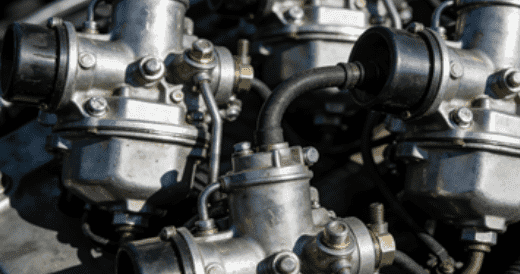
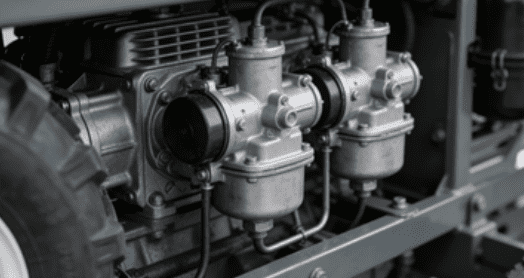
A karburator 4 barel kecil adalah alat pencampur bahan bakar-udara mekanis yang terdiri dari empat barel venturi yang dirancang untuk mengatur aliran udara dan pengiriman bahan bakar dalam operasi bertahap.
Ini biasanya digunakan dalam:
- Mesin V8 blok kecil
- Kendaraan jalanan kinerja
- Restorasi mobil otot klasik
- Aplikasi balap ringan
Konsep Teknik Karburator 4 Barel Kecil
Sistem beroperasi berdasarkan prinsip dinamika fluida:
Prinsip Efek Venturi
- Kecepatan udara meningkat melalui jalur sempit
- Penurunan tekanan di ruang venturi
- Bahan bakar ditarik ke aliran udara melalui hisap vakum
Sistem Pengiriman Bahan Bakar Bertahap
- Barel primer → efisiensi kecepatan rendah
- Barel sekunder → pengiriman daya beban tinggi
Sistem dua tahap inilah yang membuat karburator 4 barel kecil lebih serbaguna dari desain karbohidrat yang lebih sederhana.
Struktur Internal Karburator 4 Barel Kecil
Sistem Float Bowl
Mangkuk pelampung mempertahankan tingkat bahan bakar yang konstan untuk memastikan tekanan bahan bakar stabil.
Rentang operasi khas:
- Toleransi tingkat bahan bakar: ± 1,5 mm
- Sensitivitas penyesuaian mengambang: 0,5 – 1,0 mm kenaikan
Mekanisme Pelat Throttle
Pelat throttle mengatur volume aliran udara yang masuk ke intake manifold.
Karakteristik kunci:
- Pelat primer terbuka secara bertahap
- Pelat sekunder terbuka karena permintaan beban
Sistem Jet Bahan Bakar
Jet bahan bakar mengontrol volume bahan bakar berdasarkan vakum mesin.
Ukuran jet yang khas:
- Pengaturan jalan: 0,065 – 0,075 inci
- Pengaturan kinerja: 0,075 – 0,090 inci
Sistem Pompa Akselerator
Memberikan pengayaan bahan bakar instan selama input throttle tiba-tiba untuk mencegah keragu-raguan.
Karburator 4 Barel Kecil vs Sistem Injeksi Bahan Bakar Modern
Tabel Perbandingan Kinerja
| Fitur | Karburator 4 Barel Kecil | Sistem EFI |
|---|---|---|
| Respon Throttle | Mekanik instan | Penundaan yang dikendalikan ECU |
| Fleksibilitas Tuning | High | Software dependent |
| Maintenance | Simple | Complex |
| Efisiensi Bahan Bakar | Moderat | High |
| Keandalan dalam Balapan | Sangat Tinggi | High |
Perbedaan Konseptual
- Karburator = sistem kontrol bahan bakar mekanis
- EFI = sistem pemetaan bahan bakar elektronik
Karburator tetap disukai di lingkungan di mana kesederhanaan dan kontrol langsung lebih berharga daripada otomatisasi.
Fisika Kinerja Karburator 4 Barel Kecil
Optimasi Rasio Udara-Bahan Bakar
Rentang AFR standar:
- Menganggur: 13.5φ14.7:1
- Pelayaran: 14.0φ15.0:1
- Throttle penuh: 12.0 ݂12.8:1
Dampak Efisiensi Volumetrik
Disetel dengan baik karburator 4 barel kecil dapat meningkatkan efisiensi volumetrik dengan:
- +8 Σ15% di RPM mid-range
- +5 ¡10% di output RPM tinggi
Kualitas Atomisasi Bahan Bakar
Atomisasi yang lebih baik meningkatkan efisiensi pembakaran dengan:
- Mengurangi bahan bakar yang tidak terbakar
- Meningkatkan kecepatan propagasi api
- Meningkatkan konsistensi torsi
Panduan Teknik Penyetelan Karburator 4 Barel Kecil
Proses Kalibrasi Jetting
Penyetelan langkah demi langkah:
- Pasang jet baseline
- Ukur AFR di bawah beban
- Sesuaikan jet utama ± 0,002 inci kenaikan
- Validasi respons throttle
Penyesuaian Sirkuit Idle
Kontrol sekrup campuran menganggur:
- Stabilitas pembakaran kecepatan rendah
- Pengurangan getaran mesin
- Kinerja start dingin
Waktu Aktivasi Barel Sekunder
Menyesuaikan pembukaan sekunder mempengaruhi:
- Kelancaran akselerasi
- Konsumsi bahan bakar di bawah beban
- Puncak pengiriman tenaga kuda
Karburator 4 Barel Kecil vs 2 Karburator Barel (Perbandingan Teknik Mendalam)
Perbandingan Struktural
| Fitur | 2 Barel Carb | Karburator 4 Barel Kecil |
|---|---|---|
| Venturi Count | 2 | 4 |
| Kapasitas Aliran Udara | Limited | High |
| Efisiensi Bahan Bakar | Lebih baik pada beban rendah | Seimbang |
| Output Daya | Moderat | High |
Interpretasi Kinerja
- Sistem 2 barel = desain yang berfokus pada ekonomi
- Sistem 4 barel = optimalisasi kinerja mode ganda
Studi Kasus Dunia Nyata
Studi Kasus 1: Pembangunan Jalan V8 Blok Kecil
Mesin V8 350ci ditingkatkan dengan a karburator 4 barel kecil menunjukkan:
- +12% tenaga kuda mendapatkan
- + Peningkatan torsi 9%
- Peningkatan waktu 0 Σ60 mph sebesar 0,4 detik
Studi Kasus 2: Restorasi Mobil Otot Klasik
Sebuah proyek restorasi bergaya tahun 1969 mencapai:
- Peningkatan respon throttle oleh 18%
- Idle stabil dalam kondisi start dingin
- Mengurangi keragu-raguan bahan bakar selama akselerasi
Standar Industri dan Referensi Teknis

Pedoman Kinerja SAE
Penyetelan karburator dievaluasi di bawah:
- SAE J1349 (standar pengukuran daya mesin)
- SAE J607 (evaluasi kinerja sistem bahan bakar)
Standar Kalibrasi Sistem Bahan Bakar
Metrik referensi utama:
- Tekanan bahan bakar: 4.5 φ6.5 psi
- Pengukuran aliran udara: CFM (kaki kubik per menit)
- Kisaran yang disarankan untuk karburator 4 barel kecil: 500 φ750 CFM
Efisiensi Bahan Bakar vs Analisis Trade-Off Kinerja
Konsep Keseimbangan Teknik
A karburator 4 barel kecil dirancang untuk menyeimbangkan:
- Penghematan bahan bakar pada kecepatan jelajah
- Aliran udara tinggi selama akselerasi
Wawasan Data Efisiensi
- Peningkatan efisiensi pelayaran: hingga 6 ج 10% vs karbohidrat kebesaran
- Pengayaan throttle penuh: + 15 市 25% peningkatan pengiriman bahan bakar
Kerangka Teknik Pemilihan Karburator 4 Barel Kecil
Kriteria Pencocokan Mesin
- Ukuran mesin: 302 ¡400ci rentang optimal
- Rasio kompresi: 8,5: 1 hingga 10,5: 1
- Profil camshaft: ringan hingga kinerja
Panduan Seleksi CFM
| Jenis Mesin | Cfm yang direkomendasikan |
|---|---|
| Blok kecil V8 | 500͕650 CFM |
| Pertunjukan pertengahan | 650͕750 CFM |
| Performa tinggi | 750͕850 CFM |
Pertimbangan Teknik Instalasi
Kompatibilitas Intake
Pastikan pencocokan:
- Jenis flensa manifold
- Kompatibilitas tinggi spacer
- Pembersihan udara
Persyaratan Tekanan Saluran Bahan Bakar
- Tekanan optimal: 5 φ6 psi
- Tekanan aman maksimum: 7 psi
Tekanan berlebih dapat menyebabkan banjir di karburator 4 barel kecil systems.
Masalah Kinerja Umum dan Diagnosis
Keragu-raguan Mesin
Kemungkinan penyebab:
- Ukuran jet salah
- Penundaan pompa akselerator
Banjir Bahan Bakar
Disebabkan oleh:
- Tekanan bahan bakar tinggi
- Ketidakselarasan mengambang
Daya RPM Tinggi yang Buruk
Kemungkinan masalah:
- Aliran udara sekunder yang dibatasi
- Ukuran CFM salah
Tren Pasar Karburator 4 Barel Kecil dan Wawasan Buku Putih
Pertumbuhan Industri Kinerja Aftermarket
Menurut analisis industri SEMA 2025:
- Aftermarket karburator masih bernilai $1.2B+ secara global
- Segmen restorasi tumbuh pada 7% setiap tahun
- Peningkatan kinerja karbohidrat tetap menjadi ceruk pasar yang stabil
Key Trend Drivers
- Boom restorasi mobil klasik
- Ekspansi hobi olahraga motor
- Preferensi penyetelan mekanis di kalangan penggemar
Perbaikan Lingkungan dan Efisiensi
Sistem karburator modern sekarang meliputi:
- Desain atomisasi bahan bakar rendah emisi
- Peningkatan teknologi penyegelan
- Mengurangi sistem pelampung penguapan bahan bakar
Peningkatan ini mengurangi emisi hidrokarbon sebesar 8 – 15% dibandingkan dengan desain karbohidrat yang lebih tua.
Pertanyaan yang Sering Diajukan (FAQ)
Untuk apa karburator kecil 4 barel digunakan?
Ini digunakan untuk mesin performa yang membutuhkan tenaga seimbang dan kontrol bahan bakar.
Apakah karburator kecil 4 barel lebih baik dari EFI?
EFI lebih efisien, tetapi karburator menawarkan penyetelan dan kontrol mekanis yang lebih sederhana.
Karburator ukuran apa yang harus saya pilih?
Kebanyakan mesin jalanan memiliki performa terbaik antara 500 Σ750 CFM.
Apakah itu meningkatkan tenaga kuda?
Ya, penyetelan yang tepat dapat meningkatkan tenaga kuda sebesar 5 Ƒ 15%.
Apakah cocok untuk berkendara sehari-hari?
Ya, jika benar disetel untuk efisiensi pelayaran.
Kesimpulan
The karburator 4 barel kecil terus memainkan peran penting dalam rekayasa kinerja karena kesederhanaan mekanis, kemampuan merdu, dan karakteristik pengiriman daya yang kuat.
Sementara sistem EFI modern mendominasi kendaraan baru, karburator tetap tak tergantikan dalam budaya mobil klasik, tuning motorsport, dan membangun penggemar di mana kontrol mekanis langsung lebih disukai.
Memahami strukturnya, logika penyetelan, dan perilaku kinerjanya memungkinkan pembangun dan penggemar untuk membuka potensi mesin maksimum sambil mempertahankan keandalan dan kemampuan berkendara.