Chúng tôi rất vui mừng chào đón bạn đến đây. Trước khi đi sâu vào nội dung hôm nay, chúng tôi rất muốn kết nối với bạn ngoài trang này. Trên các kênh truyền thông xã hội của mình, chúng tôi thường xuyên chia sẻ những thông tin chuyên sâu mới nhất về ngành, các sản phẩm đổi mới, những cập nhật hậu trường và các mẹo hữu ích — đây cũng là nơi hoàn hảo để chúng tôi tương tác trực tiếp với bạn!
Theo dõi chúng tôi trên:
- Facebook: Công ty TNHH Máy móc Lâm Dương Huayang.
Hãy cùng nhau phát triển, học hỏi và đổi mới
Mục lục
Những điểm chính cần ghi nhớ
- Hiểu cách a bộ chế hòa khí cho máy cắt Honda tác động trực tiếp đến hiệu suất đốt cháy và tuổi thọ động cơ
- Tìm hiểu sự khác biệt về kỹ thuật OEM so với hậu mãi từ góc độ cơ học
- Khám phá các cơ chế lỗi được hỗ trợ bởi dữ liệu bảo trì thực tế và báo cáo ngành
- So sánh vật liệu, dung sai gia công, và tiêu chuẩn hệ thống nhiên liệu
- Xem xét xu hướng bảo trì máy cắt toàn cầu và nghiên cứu trường hợp thực địa
- Khám phá các phương pháp cài đặt, điều chỉnh, chẩn đoán và tối ưu hóa vòng đời
- Nhận câu trả lời Câu hỏi thường gặp ở cấp độ chuyên gia dựa trên các tình huống sửa chữa thực tế
Giới thiệu
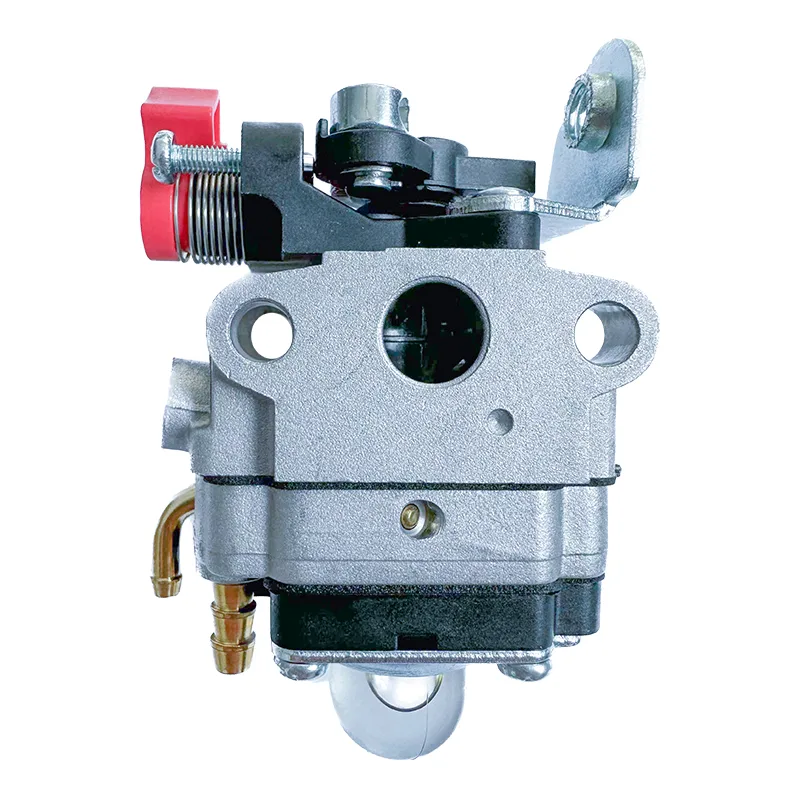
Một động cơ máy cắt cỏ có thể xuất hiện đơn giản, nhưng hiệu suất của nó phụ thuộc vào một hệ thống phân phối nhiên liệu-không khí chính xác cao.Các bộ chế hòa khí cho máy cắt Honda chịu trách nhiệm phun nhiên liệu, điều chỉnh lượng không khí nạp vào và duy trì độ ổn định cháy trong điều kiện tải thay đổi.
Theo báo cáo ngành bảo trì động cơ nhỏ năm 2025 do Allied Market Research công bố, hơn 62% của các vấn đề hiệu suất máy cắt có liên quan đến sự bất thường của hệ thống nhiên liệu, với việc tắc nghẽn bộ chế hòa khí và xếp hạng hiệu chuẩn sai là nguyên nhân hàng đầu.
Máy cắt cỏ Honda, được sử dụng rộng rãi trong cảnh quan dân cư và thương mại, dựa vào bộ chế hòa khí hút khí tự nhiên được thiết kế cho:
- Không tải ổn định trong điều kiện RPM thấp
- Sản lượng mô-men xoắn cao trong quá trình cắt cỏ dày
- Hiệu suất nhiên liệu dưới tải trọng môi trường thay đổi
Tuy nhiên, thành phần nhiên liệu hiện đại có chứa ethanol (E10–E15) đã làm tăng tốc độ xuống cấp của bộ chế hòa khí lên lên đến 30% so với hệ thống nhiên liệu trước năm 2010, theo tài liệu kỹ thuật của SAE.
Điều này làm cho sự hiểu biết về việc lựa chọn và duy trì a bộ chế hòa khí cho máy cắt Honda không chỉ là quyết định sửa chữa mà còn là quyết định tối ưu hóa kỹ thuật.
Cấu trúc kỹ thuật của Bộ chế hòa khí cho Honda Mower
Hệ thống nguyên tử hóa nhiên liệu
Khái niệm chức năng
Bộ chế hòa khí chuyển đổi nhiên liệu lỏng thành sương mù mịn để cho phép đốt cháy hiệu quả.
Chất lượng nguyên tử hóa nhiên liệu ảnh hưởng trực tiếp:
- Tốc độ đánh lửa
- Tính hoàn chỉnh của quá trình đốt cháy
- Sự ổn định đầu ra điện
Nguyên tử hóa kém làm tăng lãng phí nhiên liệu lên 8–20%.
Nguyên lý hiệu ứng Venturi
Bộ chế hòa khí hoạt động dựa trên nguyên lý Bernoulli:
- Vận tốc không khí tăng trong một phần thu hẹp
- Giảm áp
- Nhiên liệu được hút vào luồng không khí
Cơ chế này đảm bảo cung cấp nhiên liệu tự động mà không cần hệ thống điều khiển điện t.
Hệ thống điều chỉnh buồng phao
Khái niệm: Mức nhiên liệu ổn định
Hệ thống phao duy trì chiều cao nhiên liệu không đổi bên trong buồng.
Nếu mức nhiên liệu dao động:
- Động cơ có thể bị ngập (hỗn hợp quá giàu)
- Hoặc chết đói (hỗn hợp quá nạc)
Dung sai chính xác thường nằm trong khoảng ± 0,5 mm trong bộ chế hòa khí OEM.
Kỹ thuật vật liệu trong bộ chế hòa khí cho máy cắt Honda
Hợp kim nhôm Carburetors
Hầu hết các bộ chế hòa khí OEM Honda đều sử dụng nhôm đúc.
Thuộc tính:
- Nhẹ (mật độ ~2,7 g/cm³)
- Chống ăn mòn
- Độ dẫn nhiệt tuyệt vời
Kẽm hợp kim Carburetors
Được sử dụng trong nhiều phiên bản hậu mãi.
Thuộc tính:
- Độ cứng cao hơn nhôm
- Độ cứng kết cấu tốt hơn
- Nặng hơn một chút (~6,6 g/cm³)
Bảng So sánh Vật liệu
| Vật liệu | Cân nặng | Chống ăn mòn | Độ bền | Hiệu quả chi phí |
|---|---|---|---|---|
| Hợp kim nhôm | Thấp | Cao | Trung bình-Cao | Trung bình |
| Hợp kim kẽm | Cao | Trung bình | Cao | Cao |
| Polymer tổng hợp | Rất Thấp | Cao | Thấp | Thấp |
OEM vs hậu mãi Bộ chế hòa khí cho Honda Mower
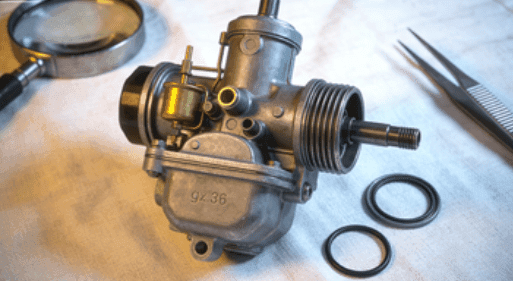
Tiêu chuẩn kỹ thuật OEM
Bộ chế hòa khí OEM được thiết kế theo thông số kỹ thuật của Honda:
- ISO 9001 tuân thủ sản xuất
- Dung sai gia công ± 0,02 mm
- Kích thước máy bay phản lực hiệu chuẩn của nhà máy
Ưu điểm:
- Khả năng tương thích động cơ hoàn hảo
- Hiệu suất ổn định lâu dài
- Yêu cầu điều chỉnh thấp hơn
Biến số sản xuất hậu mãi
Bộ chế hòa khí hậu mãi thay đổi đáng kể:
- Độ lệch kích thước máy bay phản lực: ±5–15%
- Sự không nhất quán của hỗn hợp không khí-nhiên liệu
- Sự thay đổi chất lượng vật liệu
Tuy nhiên, các nhà cung cấp hậu mãi cao cấp có thể đáp ứng các tiêu chuẩn gần OEM.
So sánh OEM và hậu mãi
| Yếu tố | OEM | Hậu mãi |
|---|---|---|
| Độ chính xác | Rất Cao | Trung bình |
| Giá | Cao | Thấp -Trung bình |
| Tuổi thọ | 5–8 năm | 2–5 năm |
| Khả năng tương thích | Hoàn hảo | Khác nhau |
Dữ liệu bảo trì toàn cầu & Thông tin chi tiết về ngành
Thống kê bảo trì hiện trường (Báo cáo năm 2024)
Dựa trên dữ liệu dịch vụ tổng hợp từ các trung tâm sửa chữa động cơ nhỏ:
- 41% vấn đề bộ chế hòa khí do dư lượng nhiên liệu ethanol
- 27% do tắc nghẽn liên quan đến lưu tr
- 18% do sự suy giảm của miếng đệm
- 14% do chỉnh sai
Xu hướng suy thoái hệ thống nhiên liệu
Một tờ giấy trắng của Briggs & Stratton chỉ ra:
- Nhiên liệu ethanol làm tăng sự hình thành vecni lên 2,3x
- Nguy cơ tắc nghẽn máy bay phản lực bộ chế hòa khí tăng lên sau 30 ngày không hoạt động
Điều này tác động trực tiếp bộ chế hòa khí cho chu kỳ độ tin cậy của máy cắt Honda.
Cơ chế hư hỏng nâng cao của bộ chế hòa khí cho máy cắt Honda
Cơ chế Jet Blockage
Khái niệm: Tích lũy hạt vi mô
Các tạp chất nhiên liệu tích tụ bên trong các tia, làm giảm đường kính dòng nhiên liệu.
Ngay cả một tắc nghẽn 0,1 mm cũng có thể làm giảm lưu lượng nhiên liệu lên đến 25%.
Gasket Mệt mỏi thất bại
Miếng đệm cao su xuống cấp do:
- Chu kỳ nhiệt
- Tiếp xúc với ethanol
- Ô nhiễm dầu
Tuổi thọ trung bình: 3–4 năm trong điều kiện sử dụng bình thường.
Trục trặc của van phao
Vấn đề kỹ thuật
Khi kim nổi không bịt kín được:
- Xảy ra hiện tượng tràn nhiên liệu
- Lũ động cơ trở nên thường xuyên
Khung chẩn đoán cho bộ chế hòa khí cho máy cắt Honda
Bảng chẩn đoán dựa trên triệu chứng
| Triệu chứng | Nguyên nhân gốc rễ | Mức độ nghiêm trọng |
|---|---|---|
| Khởi động khó khăn | Tắc nghẽn tia nước | Trung bình |
| Khói đen | Hỗn hợp giàu | Trung bình |
| Động cơ chết máy | Chết đói nhiên liệu | Cao |
| Rò rỉ nhiên liệu | Lỗi phao | Cao |
Hướng dẫn kỹ thuật cài đặt
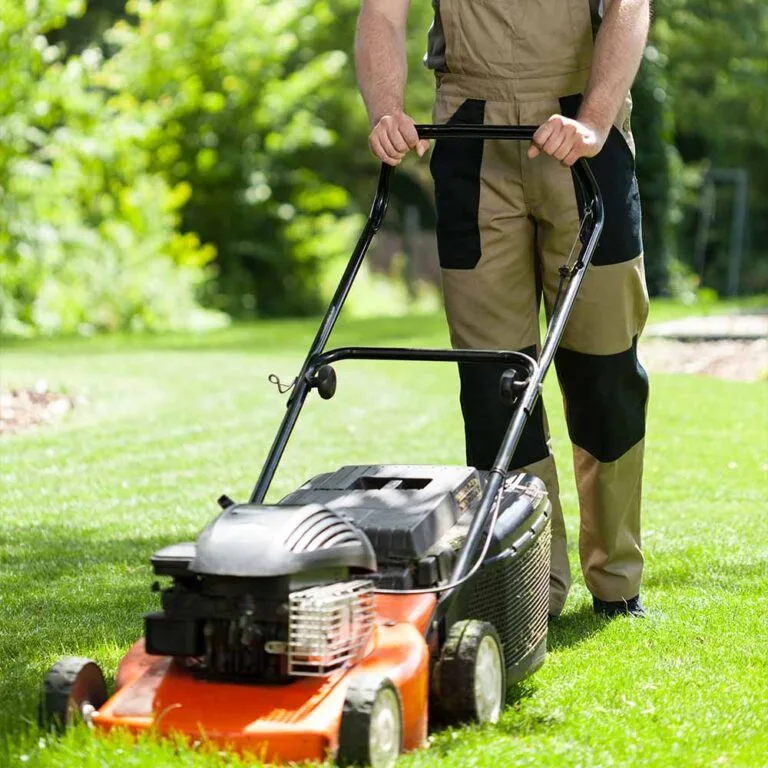
Danh sách kiểm tra cài đặt trước
- Xác nhận mã mô hình động cơ (ví dụ: GCV160, GCV190)
- Kiểm tra bề mặt niêm phong ống nạp
- Xác minh độ dày miếng đệm (thường là 0,5–1,2 mm)
Các bước cài đặt chính xác
- Tháo cụm nạp khí
- Ngắt kết nối đường dẫn nhiên liệu an toàn
- Tháo liên kết ga cẩn thận
- Lắp đặt bộ chế hòa khí mới với thông số mô-men xoắn (thường là 5–8 N·m)
- Kết nối lại hệ thống nhiên liệu
- Thực hiện hiệu chuẩn nhàn rỗi
Khoa học điều chỉnh bộ chế hòa khí
Tối ưu hóa tỷ lệ không khí-nhiên liệu
Tỷ lệ lý tưởng:
- Động cơ xăng: 14,7: 1 (cân bằng hóa học)
Hiệu ứng sai lệch:
- Hỗn hợp nạc → quá nóng, RPM cao hơn không ổn định
- Hỗn hợp giàu → tích tụ carbon, lãng phí nhiên liệu
Hiệu chỉnh tốc độ nhàn rỗi
Phạm vi nhàn rỗi của máy cắt Honda điển hình:
- 1.700–2.000 VÒNG/PHÚT
Điều chỉnh nhàn rỗi không chính xác dẫn đến:
- Tắt máy
- Rung động quá mức
- Sự không nhất quán về tốc độ của lưỡi dao
Chiến lược bảo trì phòng ngừa
Lịch Bảo Trì
| Khoảng thời gian | Nhiệm vụ bảo trì |
|---|---|
| Cứ 25 tiếng một lần | Bộ lọc không khí sạch |
| Cứ 50 tiếng | Kiểm tra máy bay phản lực bộ chế hòa khí |
| Mỗi mùa | Làm sạch bộ chế hòa khí đầy đ |
| Hàng năm | Thay thế miếng đệm |
Khái niệm ổn định nhiên liệu
Chất ổn định nhiên liệu làm giảm tốc độ oxy hóa lên tới 90%, ngăn ngừa sự hình thành vecni bên trong các kênh bộ chế hòa khí.
Nghiên cứu điển hình về ngành công nghiệp thế giới
Công ty Cảnh quan Thương mại (Mỹ)
Vấn đề:
- 50 máy cắt cỏ Honda trong đội xe
- Bộ chế hòa khí thường xuyên bị tắc
- Chi phí thời gian chết: $3,200/tháng
Giải pháp:
- Chuyển sang bộ chế hòa khí kháng ethanol
- Thực hiện chương trình ổn định nhiên liệu
- Thay thế cấp OEM được tiêu chuẩn hóa
Kết quả:
- Giảm 46% trong tần số bảo trì
- Cải thiện hiệu quả nhiên liệu 32%
- 28% tăng thời gian hoạt động của thiết b
Bộ chế hòa khí cho Honda Mower vs Hệ thống phun nhiên liệu
| Tính năng | Bộ chế hòa khí | Phun Nhiên Liệu |
|---|---|---|
| Chi phí | Thấp | Cao |
| Bảo trì | Dễ | Phức tạp |
| Độ chính xác | Trung bình | Rất Cao |
| Độ bền | Cao | Rất Cao |
| Chi Phí Sửa Chữa | Thấp | Cao |
Mặc dù có công nghệ mới hơn, bộ chế hòa khí vẫn chiếm ưu thế trong các thiết bị động cơ nhỏ do tính đơn giản và hiệu quả chi phí.
Xu hướng thị trường mới nổi
Chuyển sang vật liệu chống ethanol
Các nhà sản xuất đang phát triển:
- Con dấu Viton
- Máy bay phản lực phủ polymer
- Hợp kim chống ăn mòn
Công cụ điều chỉnh bộ chế hòa khí thông minh
Bộ dụng cụ chẩn đoán mới cho phép:
- Phân tích hỗn hợp thời gian thực
- Hiệu chuẩn dựa trên RPM
- Đo lưu lượng khí kỹ thuật số
Định hướng bền vững
Quá trình chuyển đổi ngành bao gồm:
- Giảm thiết kế bộ chế hòa khí thải
- Hệ thống hiệu chuẩn tiêu thụ nhiên liệu thấp
- Linh kiện thân thiện với tái chế
Phần kết luận
Chọn bên phải bộ chế hòa khí cho máy cắt Honda là cả một quyết định kỹ thuật và thực tế ảnh hưởng đến hiệu suất động cơ, hiệu quả nhiên liệu, và độ bền lâu dài.Hiểu biết về khoa học vật liệu, cơ khí luồng không khí, chế độ thất bại, và chiến lược bảo trì cho phép người dùng kéo dài đáng kể tuổi thọ thiết bị và giảm chi phí hoạt động.
Từ kỹ thuật chính xác OEM đến các giải pháp thay thế hiệu quả về mặt chi phí hậu mãi, lựa chọn tối ưu phụ thuộc vào cường độ ứng dụng, ngân sách và khả năng bảo trì.
Một bộ chế hòa khí được bảo trì tốt đảm bảo hiệu suất động cơ ổn định, giảm thời gian ngừng hoạt động và lợi tức đầu tư tối đa cho cả người dùng dân cư và thương mại.
Câu hỏi thường gặp
Tại sao bộ chế hòa khí của tôi tiếp tục tắc nghẽn?
Phổ biến nhất là do dư lượng nhiên liệu ethanol và lưu trữ lâu dài mà không ổn định.
Bộ chế hòa khí nên tồn tại bao lâu?
Thông thường là 3 -8 năm tùy thuộc vào cường độ sử dụng và chất lượng bảo trì.
Làm sạch có thể khôi phục hoàn toàn hiệu suất
Có, nếu thiệt hại được giới hạn ở tiền gửi. cơ khí mặc yêu cầu thay th.
OEM hoặc aftermarket varewhich is better?
OEM cung cấp độ chính xác cao hơn; aftermarket cung cấp hiệu quả chi phí.
Đâu là nguyên nhân lớn nhất dẫn đến thất bại?
Ô nhiễm nhiên liệu và lưu trữ không đúng cách là những nguyên nhân hàng đầu.
Tôi có cần cài đặt chuyên nghiệp không?
Không bắt buộc, nhưng được khuyến nghị cho người dùng không quen với việc điều chỉnh động cơ.