We’re thrilled to have you here. Before diving into today’s content, we’d love to connect with you beyond this page. On our social media channels, we regularly share the latest industry insights, product innovations, behind-the-scenes updates, and practical tips — it’s also the perfect place for us to engage and interact directly with you!
Follow us on:
- Facebook: Linyang Huayang Machinery Co., Ltd.
Let’s grow, learn, and innovate together.
Table of Contents
Introduction
The engine air filter is one of the most overlooked yet critical components in your vehicle’s maintenance routine. It plays a vital role in preventing dust, debris, and contaminants from entering your engine, ensuring optimal performance, fuel efficiency, and longevity. A dirty or clogged air filter can lead to decreased power, poor fuel economy, and even engine damage. Yet, many drivers are unsure about how often to change engine air filter, which can result in costly repairs or reduced vehicle performance.
In this article, we explore the five shocking signs that indicate your engine air filter needs immediate attention. Understanding these signs will empower you to maintain your car properly, avoid damage, and ensure a smoother driving experience. Additionally, we provide expert tips, maintenance schedules, and guidance for recognizing issues before they escalate.
Sign 1: Reduced Engine Power and Acceleration

How Airflow Affects Engine Performance
One of the earliest and most noticeable signs of a clogged engine air filter is a reduction in engine power and slower acceleration. When the air filter becomes saturated with dirt, dust, pollen, and other debris, airflow to the engine is restricted. This reduces the oxygen available in the combustion chamber, which is essential for optimal fuel combustion. Without sufficient oxygen, fuel does not burn efficiently, leading to a measurable drop in acceleration and engine responsiveness.
Real-World Driving Symptoms
Drivers may notice sluggishness during routine driving, especially when accelerating from a stoplight or merging onto highways. Vehicles may struggle more on uphill inclines or when towing heavy loads. In some modern vehicles with electronic throttle control, warning indicators may illuminate if airflow is severely restricted.
Expert Recommendations
According to research conducted by the Automotive Research Association, vehicles with clogged filters can experience a 5–15% decrease in engine power. Automotive experts, such as Robert Campbell, senior mechanic at AutoTech Institute, recommend checking the air filter every 12,000–15,000 miles or more frequently in dusty or high-pollution areas. “Even a small amount of debris can impact performance over time,” he notes.
Sign 2: Poor Fuel Efficiency
How Clogged Filters Increase Fuel Consumption
A clogged air filter limits airflow, forcing the engine to work harder to achieve the same performance. The fuel-air mixture becomes richer, consuming more fuel than necessary.
Data and Statistics
Data from the U.S. Department of Energy shows that replacing a severely clogged air filter in older vehicles can improve fuel efficiency by up to 10%, while newer fuel-injected engines may see a 3–5% improvement.
Environmental and Cost Impacts
Maintaining proper knowledge of how often to change engine air filter ensures better vehicle efficiency and a smaller environmental footprint. Higher fuel consumption contributes to increased carbon emissions and unnecessary costs for daily commuting or long-distance driving.
Seasonal and Driving Condition Considerations
Drivers in urban areas with heavy traffic or regions with high dust and pollen levels may experience faster air filter clogging. Seasonal inspections are recommended to maintain peak fuel efficiency.
Sign 3: Unusual Engine Sounds or Misfires
Types of Engine Sounds Caused by Dirty Filters
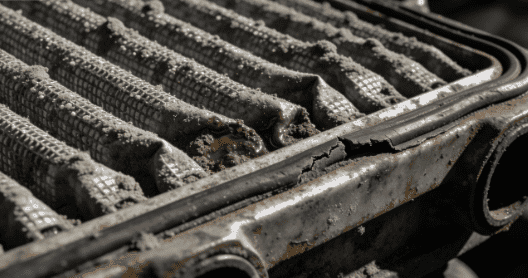
A dirty or blocked air filter can cause coughing, popping, rattling, or whistling sounds during acceleration. Restricted airflow leads to improper air-fuel mixture and incomplete combustion, stressing the engine components.
Engine Misfires and Idling Problems
Misfires and rough idling are common when cylinders do not receive the proper air supply. Turbocharged engines require precise airflow, and a clogged filter can trigger boost pressure errors.
Maintenance Tips from Experts
Mechanics recommend inspecting the air filter during routine service appointments. Automotive technician Laura Kim notes, “Many drivers assume rough idling is a spark plug issue, but often the culprit is a simple clogged air filter.”
Sign 4: Visual Inspection Reveals Excess Dirt or Damage
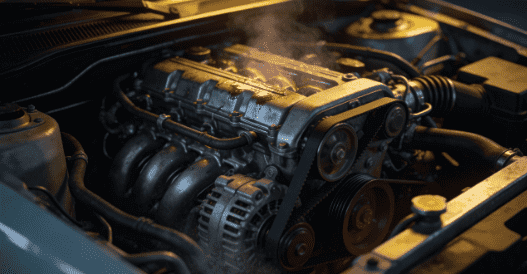
How to Perform a Proper Visual Inspection
Remove the air filter from its housing and examine it under bright light. A healthy air filter is usually off-white or light-colored, while a dark, dusty, or debris-filled filter indicates it needs replacement.
Detecting Physical Damage
Look for tears, holes, bent frames, or warped edges. Even minor damage can allow unfiltered air to enter the engine, causing wear and tear on pistons and cylinders.
Environmental Factors to Consider
Vehicles frequently driven in deserts, construction zones, or high-pollen areas may require more frequent inspections and replacement than suggested by mileage alone.
Sign 5: Check Engine Light Illuminates
How Sensors Detect Airflow Issues
Modern vehicles are equipped with sensors that monitor airflow, oxygen levels, and engine efficiency. Restricted airflow may trigger the check engine light due to imbalances in the air-fuel ratio.
Interpreting the Warning Light
While the check engine light can indicate multiple issues, a clogged air filter should be one of the first components to inspect, especially when combined with symptoms like poor acceleration or reduced fuel efficiency.
Advanced Monitoring Systems
High-end vehicles sometimes include real-time air filter health monitoring, estimating filter life based on engine operating hours and environmental conditions. Combining this technology with regular visual inspections ensures optimal engine performance.
Engine Air Filter Maintenance Guide
| Maintenance Area | Common Issues | Recommended Action | Frequency | Additional Tips |
|---|---|---|---|---|
| Engine Air Filter | Dirt buildup, clogging | Replace filter | Every 12,000–15,000 miles or as manufacturer suggests | Check visually during oil changes |
| Fuel Efficiency | Increased fuel consumption | Inspect and clean/replace | Every 6 months or sooner if driving in dusty conditions | Track mileage changes to detect early issues |
| Engine Performance | Reduced acceleration, misfires | Replace filter | During routine service | Combine with spark plug check |
| Emissions | Higher pollutant output | Replace filter | Annually or per manufacturer | Consider high-quality air filters for cleaner combustion |
| Visual Inspection | Tears, dust, debris | Replace immediately if damaged | Monthly for high mileage or harsh environments | Use gloves to avoid contamination |
| Check Engine Light | Airflow disruptions | Inspect and replace | As needed | Diagnose with OBD-II scanner if light persists |
This table provides a practical overview of key areas affected by a dirty engine air filter, recommended replacement frequency, and tips for maximizing vehicle performance and efficiency. Following these guidelines helps drivers maintain optimal engine health and avoid costly repairs.
Factors Affecting How Often to Change Engine Air Filter
Several factors influence how frequently an engine air filter should be changed:
- Driving Environment: Dusty roads, construction areas, and rural locations accelerate filter clogging. In such conditions, replacement may be needed every 6,000–8,000 miles.
- Vehicle Type: High-performance engines or turbocharged vehicles require cleaner air to maintain efficiency, often necessitating more frequent filter changes.
- Manufacturer Recommendations: Always consult the vehicle manual, as recommended intervals can vary based on engine design and filter type.
- Climate and Season: Hot, dry climates increase dust accumulation, while winter conditions may bring more road salt and debris, affecting filter longevity.
By understanding these variables, drivers can make informed decisions on how often to change engine air filter rather than relying solely on mileage intervals.
Expert Tips for Engine Air Filter Maintenance
- Inspect your air filter during every oil change to monitor dirt buildup.
- Keep a log of mileage and replacement dates to predict the next service interval.
- Consider upgrading to high-performance or reusable filters if you drive in challenging environments.
- Avoid washing disposable filters, as this can damage filter media and reduce efficiency.
- Store replacement filters in a clean, dry place to prevent contamination before installation.
Conclusion
A neglected engine air filter can significantly affect vehicle performance, fuel efficiency, and engine longevity. By recognizing the five shocking signs—including reduced acceleration, poor fuel efficiency, unusual engine sounds, visible debris, and check engine alerts—drivers can act proactively to maintain engine health. Understanding how often to change engine air filter and following a consistent maintenance routine ensures smooth driving, lower repair costs, and a longer-lasting engine.
Regular inspections, adherence to manufacturer guidelines, and attention to environmental factors are key to keeping your vehicle running efficiently. Investing time and effort into air filter maintenance is a small step that yields substantial benefits for both your vehicle and your wallet.
FAQ
How often should I change my engine air filter?
Typically, every 12,000–15,000 miles or as recommended by your vehicle manufacturer. Environmental conditions may require more frequent changes.
Can I drive with a dirty engine air filter?
While short-term driving is possible, prolonged use can reduce engine performance, fuel efficiency, and may cause long-term damage.
Does a clogged air filter affect emissions?
Yes, a dirty filter can cause incomplete combustion, increasing harmful emissions and lowering overall efficiency.
Can I clean a disposable air filter?
No, disposable filters are designed for one-time use. Cleaning them may damage filter media and compromise performance.
What are the benefits of changing my engine air filter on time?
Timely replacement improves acceleration, fuel economy, reduces emissions, and prolongs engine life.