We’re thrilled to have you here. Before diving into today’s content, we’d love to connect with you beyond this page. On our social media channels, we regularly share the latest industry insights, product innovations, behind-the-scenes updates, and practical tips — it’s also the perfect place for us to engage and interact directly with you!
Follow us on:
- Facebook: Linyang Huayang Machinery Co., Ltd.
Let’s grow, learn, and innovate together
Table of Contents
Introduction
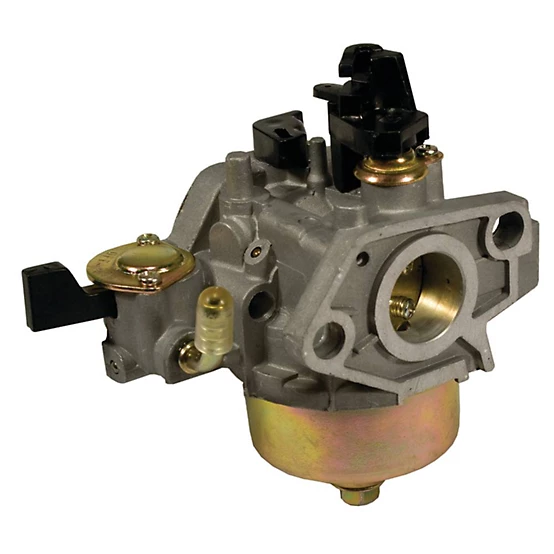
A carburetor is one of the most important fuel system components in a small gasoline engine. It controls the mixture of fuel and air entering the combustion chamber, directly affecting engine power, fuel efficiency, starting performance, and operating stability.
For users searching for a replacement 140F Engine Carburetor, compatibility is often the biggest concern. A carburetor that looks similar may not always provide the correct airflow, mounting position, fuel adjustment range, or throttle connection required by a specific 140F engine model.
Whether you are repairing a lawn mower, generator, water pump, tiller, pressure washer, or other small equipment powered by a 140F series engine, choosing the correct carburetor ensures reliable performance and extends engine service life.
What Is a 140F Engine Carburetor?
Basic Definition of a 140F Engine Carburetor
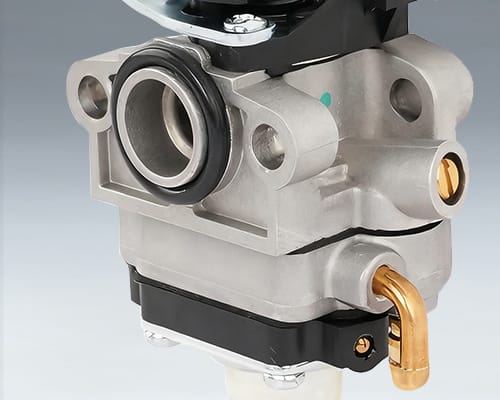
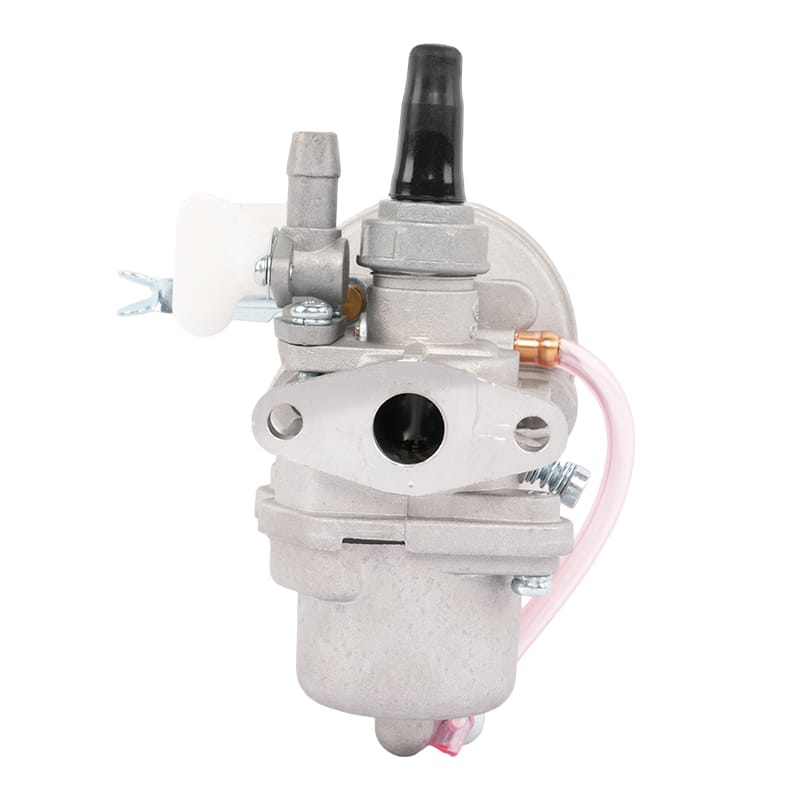
A 140F Engine Carburetor is a mechanical fuel delivery device designed for 4-stroke small engines. Its primary function is to mix gasoline and air at the proper ratio before the mixture enters the engine cylinder.
Unlike modern fuel injection systems, carburetors rely on airflow pressure differences to draw fuel from the fuel bowl and combine it with incoming air.
Main Functions of a Carburetor
A small engine carburetor performs several important tasks:
| Function | Description |
|---|---|
| Fuel Mixing | Combines fuel and air into a combustible mixture |
| Engine Starting | Provides proper fuel supply during cold starts |
| Speed Control | Adjusts fuel delivery according to throttle position |
| Power Optimization | Maintains efficient combustion under different loads |
A properly matched carburetor helps the engine achieve smoother operation, easier starting, and better fuel economy.
Why 140F Engine Carburetor Compatibility Is Important
Correct Air-Fuel Ratio
Different engines require different air and fuel ratios. A carburetor designed for another engine may deliver too much or too little fuel, causing poor combustion.
Common symptoms of an incorrect carburetor include:
- Difficult starting
- Engine hesitation
- Black exhaust smoke
- Low power output
- Excessive fuel consumption
Proper Mechanical Fit
Compatibility is not only about engine size. The carburetor must also match:
- Mounting bolt spacing
- Intake port design
- Throttle linkage position
- Choke system type
- Fuel inlet location
A physically similar replacement part may still fail if these details are different.
How to Identify the Correct 140F Engine Carburetor Model
Check the Engine Model Number
The most reliable method is checking the engine identification label. The engine model number usually provides information about:
- Engine series
- Displacement
- Manufacturer specifications
- Original carburetor requirements
Before purchasing a replacement, always compare the engine code with the carburetor specifications.
Measure the Existing Carburetor
If the original label is missing, measure key dimensions:
Important Measurement Points
- Intake diameter
- Mounting hole distance
- Carburetor body size
- Fuel line connection size
- Throttle shaft position
These measurements help avoid purchasing an incompatible replacement.
Common 140F Engine Carburetor Compatibility Factors
Engine Displacement Matching
Engine displacement is one of the first compatibility considerations.
A carburetor designed for a smaller engine may restrict fuel flow, while an oversized carburetor may create an overly rich mixture.
| Engine Type | Carburetor Requirement |
|---|---|
| Small 4-stroke engine | Compact fuel delivery system |
| Medium power engine | Larger airflow capacity |
| High-load application | Stable fuel supply under continuous operation |
Application-Based Compatibility
The same 140F engine platform may be used in different equipment, but operating conditions can vary.
Lawn Equipment
For lawn equipment, the carburetor needs:
- Stable idle performance
- Quick throttle response
- Easy cold starting
Generators
Generators usually require:
- Consistent fuel mixture
- Long operating stability
- Better load response
Water Pumps
Water pumps often need:
- Reliable operation under constant RPM
- Good fuel efficiency
- Durable internal components
OEM vs Aftermarket 140F Engine Carburetor: Which One Should You Choose?
OEM Carburetor
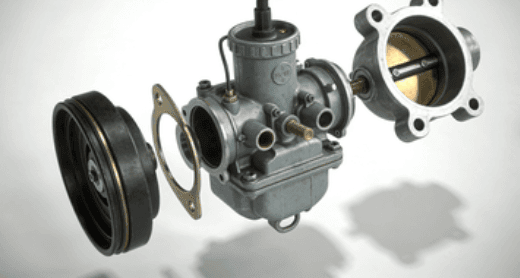
OEM (Original Equipment Manufacturer) carburetors are produced according to original engine specifications.
Advantages:
- Exact factory specifications
- Reliable performance
- Better long-term compatibility
Disadvantages:
- Higher cost
- Sometimes limited availability
Aftermarket Carburetor
Aftermarket replacements are produced by third-party manufacturers.
Advantages:
- More affordable
- Easier to purchase
- Many replacement options
Disadvantages:
- Quality differences between suppliers
- May require adjustment after installation
Comparison Between OEM and Aftermarket Options
| Feature | OEM Carburetor | Aftermarket Carburetor |
|---|---|---|
| Compatibility | Very high | Depends on manufacturer |
| Price | Higher | Lower |
| Availability | Sometimes limited | Usually easier to find |
| Installation | Usually direct fit | May require adjustment |
| Performance consistency | Excellent | Varies by quality |
For commercial equipment users, OEM-style replacements are often preferred because downtime costs are higher.
How to Select the Best Replacement 140F Engine Carburetor
Consider Your Engine Application
Different working environments require different carburetor characteristics.
Residential Use
For occasional home use, a standard replacement carburetor is usually sufficient.
Typical applications:
- Garden tools
- Small generators
- Home water pumps
Professional Use
For frequent operation, choose a carburetor with:
- Better material quality
- Stable fuel adjustment
- Longer service life
Professional applications include:
- Construction equipment
- Agricultural machinery
- Commercial landscaping equipment
Key Features to Look for in a Quality Carburetor
Durable Construction Materials
High-quality carburetors usually use:
- Aluminum alloy bodies
- Corrosion-resistant internal parts
- Precision-machined fuel passages
These materials improve durability and reduce fuel leakage risks.
Accurate Fuel Adjustment
A good carburetor should maintain stable fuel delivery under different operating conditions.
Important adjustment areas include:
- Idle speed
- Fuel mixture
- Throttle response
140F Engine Carburetor Installation Guide
Preparation Before Installation
Before installing a replacement carburetor:
- Turn off the engine completely
- Disconnect the fuel supply
- Clean the surrounding area
- Compare the new carburetor with the old one
Basic Installation Steps
Step 1: Remove the Old Carburetor
Disconnect:
- Fuel line
- Throttle cable
- Choke linkage
- Mounting bolts
Step 2: Install the New Carburetor
Install the replacement unit carefully and ensure:
- Correct gasket position
- Tight mounting bolts
- Proper linkage connection
Step 3: Test Engine Performance
After installation:
- Start the engine
- Check idle stability
- Observe acceleration response
- Adjust if necessary
Common 140F Engine Carburetor Problems and Solutions
Engine Does Not Start
Possible causes:
- Blocked fuel passage
- Incorrect carburetor installation
- Dirty fuel system
Solutions:
- Clean the carburetor
- Check fuel supply
- Confirm compatibility
Engine Runs Roughly
Possible causes:
- Incorrect fuel mixture
- Air leakage
- Carburetor adjustment problems
Solutions:
- Adjust fuel settings
- Inspect seals
- Replace damaged components
Excessive Fuel Consumption
Possible causes:
- Over-rich mixture
- Worn carburetor parts
- Incorrect replacement model
Solutions:
- Tune the carburetor
- Check specifications
- Replace unsuitable parts
140F Engine Carburetor Maintenance Tips
Regular Cleaning
Fuel residue and dirt can block small internal passages.
Recommended maintenance:
- Clean the carburetor periodically
- Use clean fuel
- Replace old gasoline
Proper Storage
If equipment will not be used for a long period:
- Drain remaining fuel
- Clean the fuel system
- Store in a dry environment
Proper storage prevents corrosion and starting problems.
140F Engine Carburetor Compatibility Checklist Before Purchase

Before ordering a replacement, confirm the following:
| Checklist Item | Confirmed |
|---|---|
| Engine model matches 140F series | ✓ |
| Carburetor mounting holes match | ✓ |
| Intake size is correct | ✓ |
| Throttle connection matches | ✓ |
| Choke system is compatible | ✓ |
| Fuel inlet position matches | ✓ |
This simple checklist can prevent most compatibility issues.
FAQ
What carburetor fits a 140F engine?
A compatible carburetor depends on the specific 140F engine model, mounting dimensions, intake design, and throttle configuration. Always compare the original carburetor specifications before replacement.
How do I know if my carburetor needs replacement?
Common replacement signs include difficult starting, unstable idle, fuel leakage, poor acceleration, and reduced engine performance even after cleaning.
Can I install an aftermarket carburetor on a 140F engine?
Yes, aftermarket carburetors can work if they match the engine specifications. However, quality and adjustment requirements vary between suppliers.
Is cleaning a carburetor better than replacing it?
If the carburetor only has dirt or fuel residue buildup, cleaning may restore performance. If internal components are damaged or worn, replacement is usually a better solution.
Why does my engine run poorly after installing a new carburetor?
The issue may be caused by incorrect compatibility, improper installation, air leaks, or incorrect adjustment settings. Recheck the carburetor specifications and installation process.
How often should a 140F engine carburetor be maintained?
Maintenance frequency depends on usage. Equipment used regularly or in dusty environments should receive more frequent inspection and cleaning.
Final Thoughts: Choosing the Right 140F Engine Carburetor for Reliable Performance
Selecting the correct 140F Engine Carburetor is essential for maintaining engine efficiency, power output, and reliability. Compatibility involves more than matching the engine name; factors such as dimensions, fuel delivery design, application requirements, and replacement quality all influence performance.
Whether choosing an OEM replacement or an aftermarket option, users should carefully verify specifications before purchasing. A properly matched carburetor can improve starting performance, reduce fuel consumption, and extend the working life of small gasoline engines.