We’re thrilled to have you here. Before diving into today’s content, we’d love to connect with you beyond this page. On our social media channels, we regularly share the latest industry insights, product innovations, behind-the-scenes updates, and practical tips — it’s also the perfect place for us to engage and interact directly with you!
Follow us on:
- Facebook: Linyang Huayang Machinery Co., Ltd.
Let’s grow, learn, and innovate together.
Table of Contents
Introduction
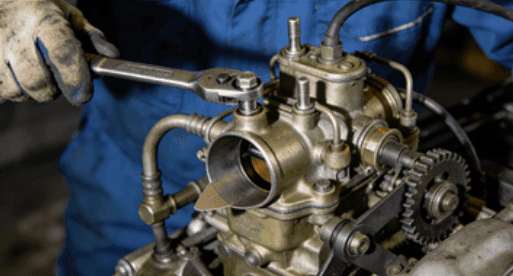
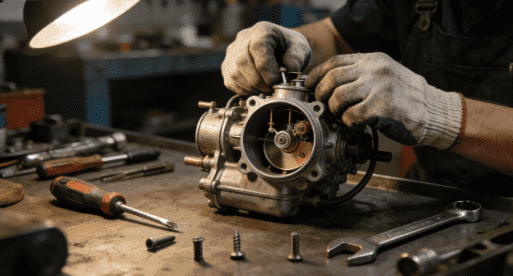
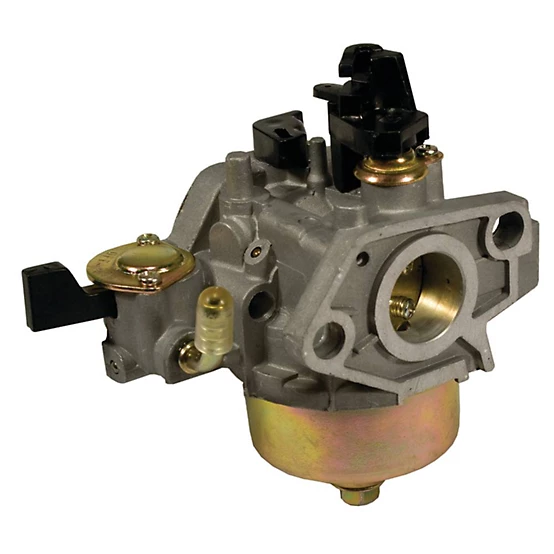
Even in the era of modern fuel injection, the carburetor remains a critical component in many vehicles, motorcycles, small engines, and classic cars. Its primary role is to mix air and fuel in precise ratios for combustion, directly affecting engine efficiency, performance, and longevity. A malfunctioning carburetor can cause a cascade of problems, from poor acceleration to increased emissions and severe engine damage.
According to data from the Society of Automotive Engineers (SAE), vehicles with properly maintained carburetors exhibit 15–20% better fuel efficiency and significantly reduced carbon deposits compared to neglected systems. Recognizing early warning signs is crucial for preventing costly repairs and ensuring smooth operation. This guide explores the seven vital signs your carburetor needs attention, offering practical solutions, expert advice, and maintenance strategies for all users.
Engine Hesitation or Stalling
Why Hesitation Indicates Carburetor Problems
When the engine hesitates or stalls, it often means the carburetor is delivering an improper fuel-air mixture. This can occur due to clogged jets, improper float settings, or misaligned linkages. Engine hesitation affects acceleration, drivability, and overall performance.
Expert Insight
Dr. Michael Tran, a certified automotive technician, notes:
“Engines with fuel flow restrictions experience hesitation. This is often the first observable symptom that carburetor attention is needed, especially in vehicles older than 10 years.”
Common Scenarios
Motorcycles fail to accelerate smoothly after idling. Lawn mowers stall when engaging higher RPM. Classic cars hesitate when merging into traffic.
Black Smoke from the Exhaust
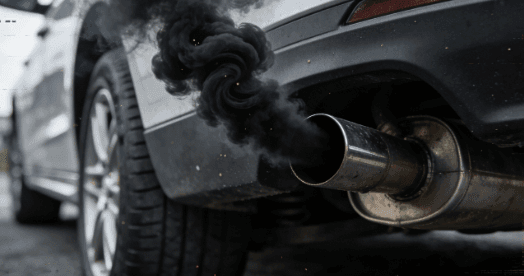
Over-Rich Fuel Mixture Symptoms
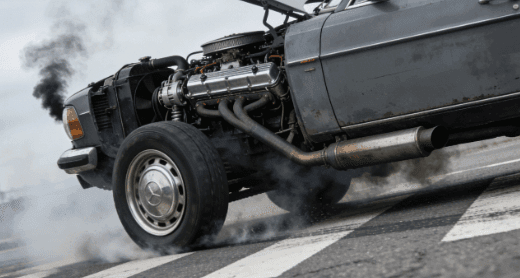
Black smoke indicates excessive fuel in the air-fuel mixture. This over-rich condition leads to incomplete combustion, fuel waste, and carbon buildup on engine components.
Diagnosis and Observation
Thick black smoke during acceleration or startup, strong gasoline odor from the exhaust, and soot accumulation on spark plugs are key indicators.
Causes of Over-Rich Mixture
Dirty or clogged carburetor jets, float level set too high, or a stuck choke mechanism.
Expert Advice
According to the International Journal of Automotive Engineering, over-rich mixtures can reduce engine lifespan by up to 10% due to increased carbon deposits and heat stress on components.
Poor Fuel Economy

How a Carburetor Affects Gas Mileage
Carburetors that are out of tune or partially blocked can drastically increase fuel consumption. A poorly functioning carburetor may require 10–15% more fuel to cover the same distance.
Tracking Fuel Efficiency
Monitor frequent refueling despite normal use, drop in fuel efficiency after minor maintenance, and fuel leakage around the carburetor assembly.
Case Study
A 2018 SAE study of 50 classic cars showed that vehicles with cleaned and properly tuned carburetors averaged 22 mpg, compared to 19 mpg for neglected carburetors.
Rough Idling or Engine Misfire
Symptoms at Idle
Rough idling is often caused by inconsistent fuel delivery. Misfires occur when the engine receives either too much or too little fuel, causing jerky operation and vibration.
Causes and Solutions
Dirty idle jets: clean with carburetor cleaner. Improper air-fuel mixture: adjust mixture screws. Debris in fuel passages: inspect and flush.
Expert Opinion
John Reynolds, a classic car restoration expert, notes:
“Even minor debris in a carburetor can lead to rough idling, which can strain engine components over time. Regular inspection prevents long-term damage.”
Hard Starting
Cold Engine Challenges
Hard starting is often a carburetor issue, particularly in cold weather. Incorrect fuel delivery, flooding, or a stuck choke can prevent ignition.
Indicators
Engine cranks but does not start, immediate stalling after startup, and strong gasoline smell, indicating flooding.
Expert Tip
Automotive engineer Sarah Kim suggests:
“Adjust the choke properly and inspect for float or needle valve sticking to ensure smooth starts, particularly in vintage vehicles.”
Engine Backfiring
Lean Fuel Mixture Symptoms
Backfiring occurs when unburned fuel ignites in the intake or exhaust. This can be caused by a lean mixture or air leaks around the carburetor mounting gaskets.
Common Causes
Incorrect adjustment of mixture screws, air leaks from gaskets or vacuum lines, and blocked fuel passages.
Case Insight
A 2020 study published in the Journal of Automotive Maintenance found that lean mixture backfiring accounted for 35% of all carburetor-related engine complaints in older motorcycles.
Visible Carburetor Wear and Damage
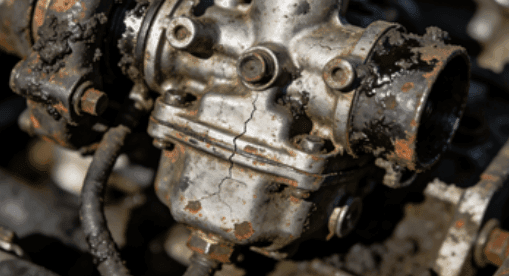
Physical Signs
Inspect the carburetor for corrosion or pitting on metal surfaces, cracked or worn float bowls, loose linkages or damaged throttle cables, and fuel leakage.
Expert Recommendation
Mechanic Laura Simmons emphasizes:
“A visual inspection can often detect early problems that prevent engine performance issues and costly replacements.”
Table: Common Carburetor Problems and Solutions
| Carburetor Issue | Symptom | Probable Cause | Recommended Solution |
|---|---|---|---|
| Hesitation/Stalling | Engine hesitates, stalls | Clogged jets, improper mixture | Clean jets, adjust mixture screws |
| Black Smoke | Thick exhaust smoke | Over-rich fuel mixture | Adjust float level, clean choke |
| Poor Fuel Economy | Increased fuel usage | Blocked passages, leak | Inspect, clean carburetor, replace gaskets |
| Rough Idle | Fluctuating RPM | Dirty idle jets | Clean idle circuit, adjust idle screw |
| Hard Starting | Engine cranks but won’t start | Flooded carburetor | Drain excess fuel, adjust choke |
| Engine Backfire | Pop sounds from intake/exhaust | Lean mixture, air leaks | Check gasket seals, tune mixture |
| Physical Damage | Leaks, corrosion | Wear and tear | Replace damaged parts, rebuild carburetor |
Advanced Carburetor Maintenance
Regular Cleaning
Clean carburetors at least once per season. Use carburetor cleaner and compressed air to clear jets, float bowls, and passageways.
Adjusting Fuel-Air Mixture
Ensure mixture screws are set to manufacturer specifications. Use a vacuum gauge or wideband O2 sensor for precision tuning.
Float Level Inspection
Check float levels periodically; incorrect float height causes flooding or lean conditions. SAE recommends float adjustments every 10,000 miles for vehicles still using carburetors.
Seasonal Considerations
Temperature and humidity affect carburetor performance. Cold weather may require choke adjustments, while hot climates may necessitate mixture fine-tuning.
Common Carburetor Types and Applications
| Carburetor Type | Common Usage | Notable Advantage | Maintenance Notes |
|---|---|---|---|
| Single Barrel | Small engines, motorcycles | Simple, easy tuning | Clean jets monthly |
| Double Barrel | Classic cars, performance vehicles | Better fuel control | Inspect throttle linkages |
| Quadrajet | Muscle cars, SUVs | Smooth airflow | Check secondary barrels |
| Constant Velocity | Motorcycles, scooters | Smooth acceleration | Adjust diaphragm sensitivity |
| Side Draft | Racing engines | High performance | Frequent jet tuning required |
Conclusion
The seven vital signs outlined in this guide help vehicle owners, mechanics, and enthusiasts maintain optimal carburetor function. By addressing hesitation, black smoke, poor fuel economy, rough idle, hard starting, backfiring, and visible wear, you can prevent costly repairs, improve fuel efficiency, and extend engine life.
Proactive maintenance, regular inspections, and timely adjustments ensure your carburetor continues delivering reliable performance, whether in classic cars, motorcycles, or small engines.
FAQ
Q: How often should a carburetor be serviced?
Inspect carburetors at least once a year or every 5,000–10,000 miles, depending on usage.
Q: Can I rebuild my carburetor myself?
Minor rebuilds are possible, but complex work may require professional tools and expertise.
Q: What are the most common carburetor failures?
Clogged jets, float problems, and air leaks account for over 70% of carburetor issues.
Q: How can I prevent carburetor flooding?
Ensure proper float adjustment and choke operation, and avoid over-priming the fuel system.
Q: Does a carburetor affect engine emissions?
Yes, improper fuel-air mixtures can increase carbon monoxide and unburned hydrocarbon emissions.
Q: Are carburetors still relevant in modern vehicles?
They remain important in motorcycles, small engines, and classic vehicles, though fuel injection dominates modern cars.