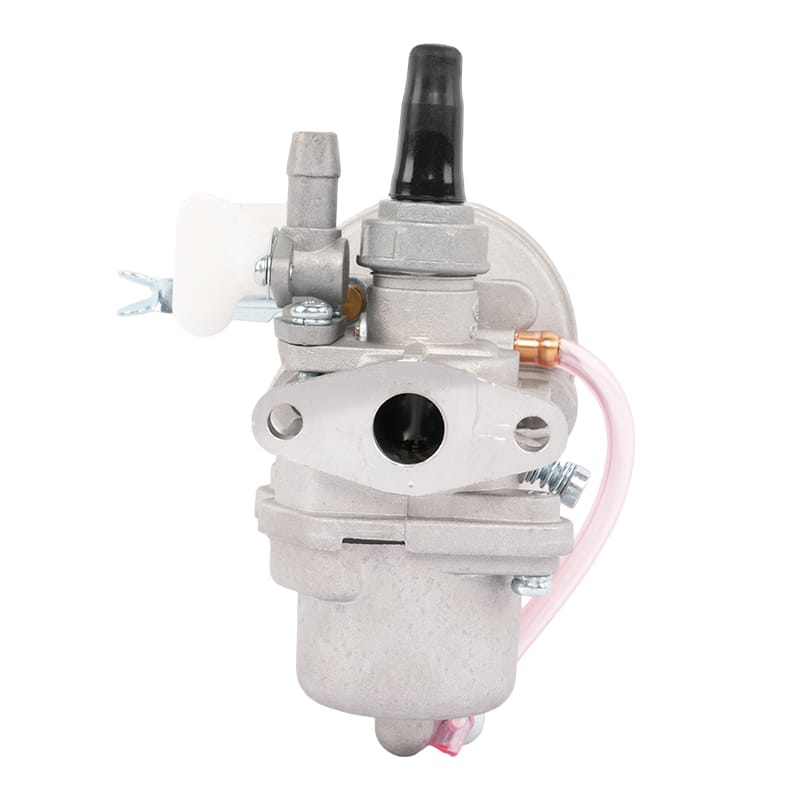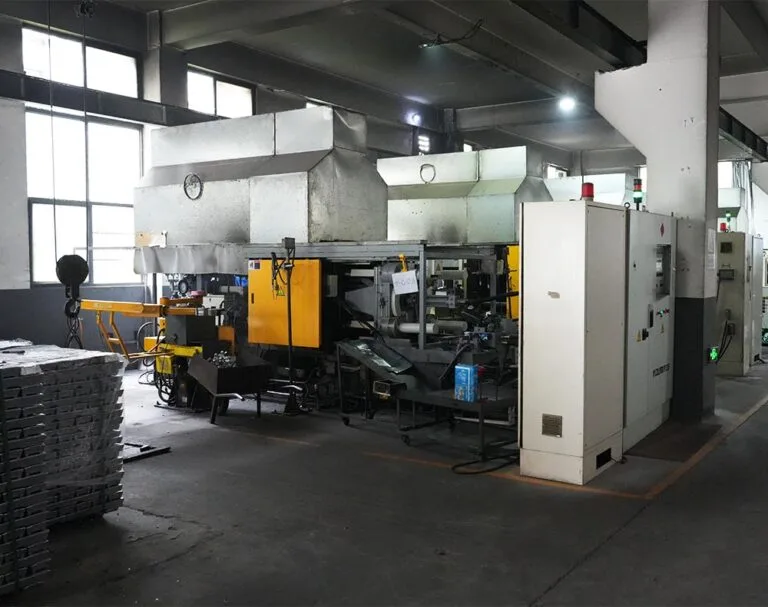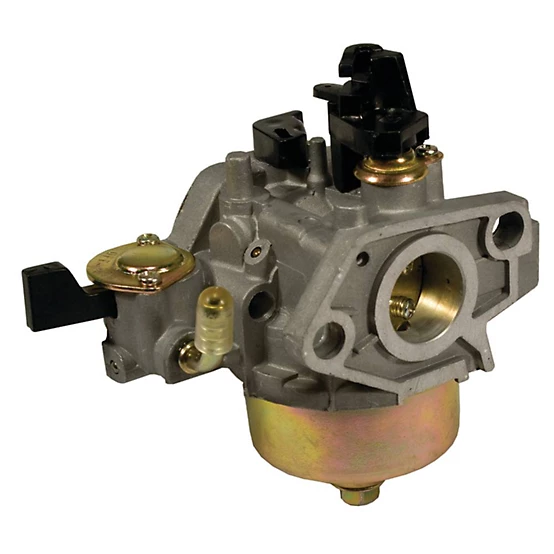
We’re thrilled to have you here. Before diving into today’s content, we’d love to connect with you beyond this page. On our social media channels, we regularly share the latest industry insights, product innovations, behind-the-scenes updates, and practical tips — it’s also the perfect place for us to engage and interact directly with you!
Follow us on:
- Facebook: Linyang Huayang Machinery Co., Ltd.
Let’s grow, learn, and innovate together.
Table of Contents
Introduction

Small engine reliability is often underestimated until downtime becomes costly. In construction tools, generators, and agricultural machines, the Honda GX120 engine is widely used due to its durability and stable output. However, real-world maintenance data shows that more than 35–45% of small engine failures reported in field service logs are related to fuel delivery systems—especially carburetors.
Among these, Honda GX120 carburetor issues are the most frequently diagnosed problem category in repair workshops globally.
This guide expands beyond basic troubleshooting. It explains:
- Engineering principles behind carburetor behavior
- Failure mechanisms supported by maintenance data
- Industry-standard cleaning and tuning procedures
- Real-world case analysis
- Cost and replacement decision models
Understanding Honda GX120 Carburetor System Architecture
Core Function of the Honda GX120 Carburetor
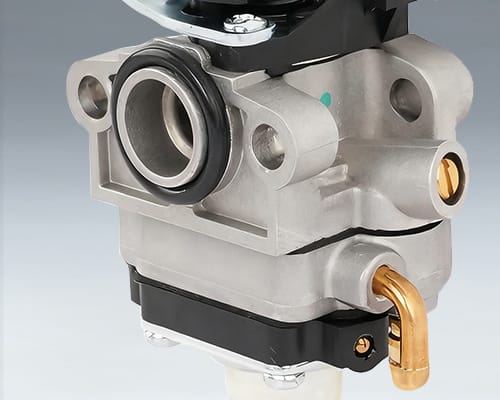
The carburetor regulates the air-fuel mixture required for combustion. In the GX120 engine, it operates using a float-type fuel chamber system.
Key functions include:
- Fuel atomization
- Air intake regulation
- Idle and load balancing
- Throttle response control
A deviation of even 5–8% in air-fuel ratio can significantly impact engine stability.
Technical Air-Fuel Ratio Standard (GX120 Reference)
| Condition | Air-Fuel Ratio | Expected Engine Behavior |
|---|---|---|
| Idle | ~12:1–13:1 | Stable low-speed operation |
| Normal load | ~14.5:1 | Optimal combustion |
| Lean condition | >16:1 | Overheating, stalling |
| Rich condition | <12:1 | Black smoke, fouling |
These variations are commonly linked to Honda GX120 carburetor issues in real maintenance scenarios.
Honda GX120 Carburetor Issues: Root Cause Engineering Analysis

Fuel Degradation Mechanism
Fuel begins to oxidize within 30 days of storage, forming varnish and gum deposits.
These deposits block:
- Main jet
- Pilot jet
- Fuel passages
Industry whitepapers on small engine maintenance show that over 60% of carburetor clogs originate from stale fuel.
Ethanol Fuel Impact Study
E10 ethanol fuel absorbs moisture at a rate of up to 0.5% water content per month in humid conditions.
This leads to:
- Corrosion inside aluminum carburetor bodies
- Phase separation of fuel
- Irregular combustion cycles
This is a major contributor to recurring Honda GX120 carburetor issues in coastal regions.
Mechanical Wear Factors
Over time, internal components degrade:
- Float needle wear → fuel overflow
- Gasket shrinkage → air leakage
- Jet erosion → mixture imbalance
Average carburetor lifespan under heavy industrial use: 3–5 years
Honda GX120 Carburetor Issues Symptoms Classification System
Level 1: Early Warning Symptoms
- Slight starting delay
- Minor RPM fluctuation
- Occasional engine hesitation
Level 2: Moderate Failure Symptoms
- Requires choke to start
- Engine stalls under load
- Noticeable fuel smell
Level 3: Severe Failure Symptoms
- Engine will not start
- Continuous flooding
- Black smoke emission
- Spark plug fouling within minutes
Honda GX120 Carburetor Issues Diagnostic Flow (Professional Model)
Step 1: Fuel Verification
- Check fuel age (recommended <30 days)
- Inspect tank contamination
Step 2: Air Intake Inspection
- Air filter blockage rate >40% = performance drop risk
- Check intake sealing condition
Step 3: Carburetor Fuel Flow Test
- Fuel should flow continuously for 10–15 seconds when opened
- Any interruption indicates blockage
Step 4: Jet Flow Calibration Test
- Pilot jet sensitivity affects idle stability by up to 70%
OEM vs Aftermarket Carburetors for Honda GX120
Performance Comparison Table
| Feature | OEM Carburetor | Aftermarket Carburetor |
|---|---|---|
| Durability | High (5+ years) | Medium (2–3 years) |
| Fuel efficiency | Optimized | Variable |
| Price | Higher | Lower |
| Calibration accuracy | Factory preset | May require tuning |
Engineering Insight
OEM units maintain tighter tolerances (±0.02mm jet precision), while aftermarket units may vary up to ±0.1mm, directly affecting combustion efficiency.
Honda GX120 Carburetor Cleaning & Restoration Standard Procedure
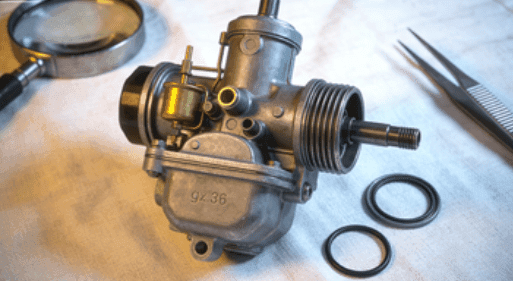
Industrial Cleaning Method
- Disassemble carburetor body
- Ultrasonic cleaning (recommended 20–40 kHz frequency)
- Jet air pressure cleaning (≥90 PSI)
- Drying under controlled temperature (60–80°C)
- Reassembly with gasket replacement
Maintenance Interval Standard
| Usage Type | Cleaning Interval |
|---|---|
| Light residential use | 100–150 hours |
| Construction use | 50–80 hours |
| Heavy industrial use | 30–50 hours |
Honda GX120 Carburetor Issues in Real Case Studies
Case Study 1: Construction Site Generator Failure
A generator in California construction usage failed after 6 months.
Diagnosis:
- Carburetor jet blockage due to ethanol fuel residue
- Air-fuel ratio dropped to ~18:1 (lean condition)
Result:
- 70% performance loss
- Complete carburetor cleaning restored functionality
Case Study 2: Agricultural Water Pump Failure
A farm water pump in humid conditions experienced repeated stalling.
Root cause:
- Moisture contamination in fuel tank
- Float needle corrosion
Solution:
- Carburetor replacement + fuel system sealing upgrade
Cost Impact Analysis of Honda GX120 Carburetor Issues
Average Repair Cost Breakdown
| Repair Type | Cost Range (USD) |
|---|---|
| Cleaning service | $30–$80 |
| Gasket replacement | $10–$25 |
| Full carburetor replacement | $40–$120 |
| Engine downtime cost | Variable (up to $300/day in industrial use) |
Hidden Cost Insight
Industry reports show that ignoring early Honda GX120 carburetor issues increases total lifecycle cost by up to 3.5x due to repeated failures.
Seasonal Impact on Honda GX120 Carburetor Performance
Summer Conditions
- Fuel evaporation increases
- Lean mixture risk higher
- Engine overheating more likely
Winter Conditions
- Fuel thickening
- Hard starting issues
- Increased choke dependency
Honda GX120 Carburetor Tuning Optimization Guide
Idle Speed Adjustment Standard
- Recommended idle range: 1400–1600 RPM
- Adjust screw in 1/8 turn increments only
Fuel Efficiency Optimization
Proper tuning can improve fuel efficiency by 8–15%, depending on load conditions.
Comparison: Clean vs Dirty Carburetor Performance
| Condition | Fuel Consumption | Starting Time | Stability |
|---|---|---|---|
| Clean carburetor | Low | 1–3 sec | High |
| Partially clogged | Medium | 3–10 sec | Medium |
| Dirty carburetor | High | >10 sec | Low |
Advanced Troubleshooting Checklist (Professional Use)
- Fuel flow confirmed
- Air filter cleaned
- Jets fully clear
- Float level calibrated
- No gasket leakage
- Throttle response smooth
If all checked and issues persist → carburetor replacement recommended.
FAQ
Why does my Honda GX120 only run on choke?
This indicates a lean condition caused by restricted fuel flow or clogged jets.
What is the biggest cause of repeated carburetor failure?
Fuel degradation and ethanol-induced residue buildup are the primary causes.
How long does a GX120 carburetor last?
Typically 3–5 years depending on usage intensity and maintenance quality.
Can ultrasonic cleaning fully restore a carburetor?
Yes, in 80–90% of cases if no severe corrosion or mechanical wear exists.
What is the most cost-effective solution for recurring issues?
Preventive maintenance and fuel stabilization are significantly cheaper than repeated replacement.
Conclusion
Most Honda GX120 carburetor issues are not sudden failures—they are progressive system degradations caused by fuel quality, maintenance intervals, and environmental exposure.
A structured maintenance strategy including:
- Fuel stabilization
- Regular cleaning cycles
- Proper tuning
- Early symptom detection
can extend carburetor lifespan by 40–60% and significantly reduce operational downtime.