We’re thrilled to have you here. Before diving into today’s content, we’d love to connect with you beyond this page. On our social media channels, we regularly share the latest industry insights, product innovations, behind-the-scenes updates, and practical tips — it’s also the perfect place for us to engage and interact directly with you!
Follow us on:
- Facebook: Linyang Huayang Machinery Co., Ltd.
Let’s grow, learn, and innovate together
Table of Contents
Key Takeaways
- Understand why a Honda GX35 4 stroke engine fails to start due to carburetor system faults
- Learn how fuel atomization, airflow, and combustion balance affect starting performance
- Identify carburetor vs ignition vs fuel system failures using structured diagnostics
- Compare OEM and aftermarket carburetor performance differences in real applications
- Follow professional cleaning, tuning, and rebuilding procedures used in field maintenance
- Review industry standards for fuel quality, maintenance intervals, and air-fuel ratios
- Analyze real-world failure cases from brush cutters and agricultural machinery
- Apply a decision framework for repair vs replacement choices
Introduction

The Honda GX35 4 stroke engine is widely used in brush cutters, hedge trimmers, sprayers, and light agricultural equipment due to its compact structure, fuel efficiency, and stable power output. In real-world field operations, however, one of the most frequent issues is failure to start, and in most cases, the root cause is related to the carburetor system rather than major engine damage.
In maintenance practice, carburetor-related faults account for a large proportion of small engine starting problems because even minor fuel contamination, airflow imbalance, or internal jet blockage can interrupt combustion completely. Understanding how the carburetor works inside a Honda GX35 4 stroke engine is essential for accurate diagnosis and effective repair.
This guide provides a structured technical explanation of carburetor operation, failure mechanisms, troubleshooting methods, and professional repair procedures based on real maintenance scenarios and industry practices.
Understanding the Honda GX35 4 Stroke Engine Carburetor System
What the Carburetor Does
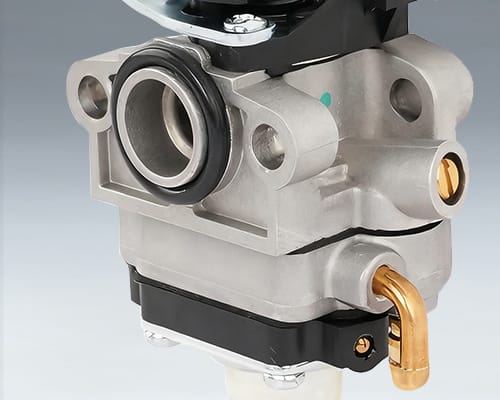
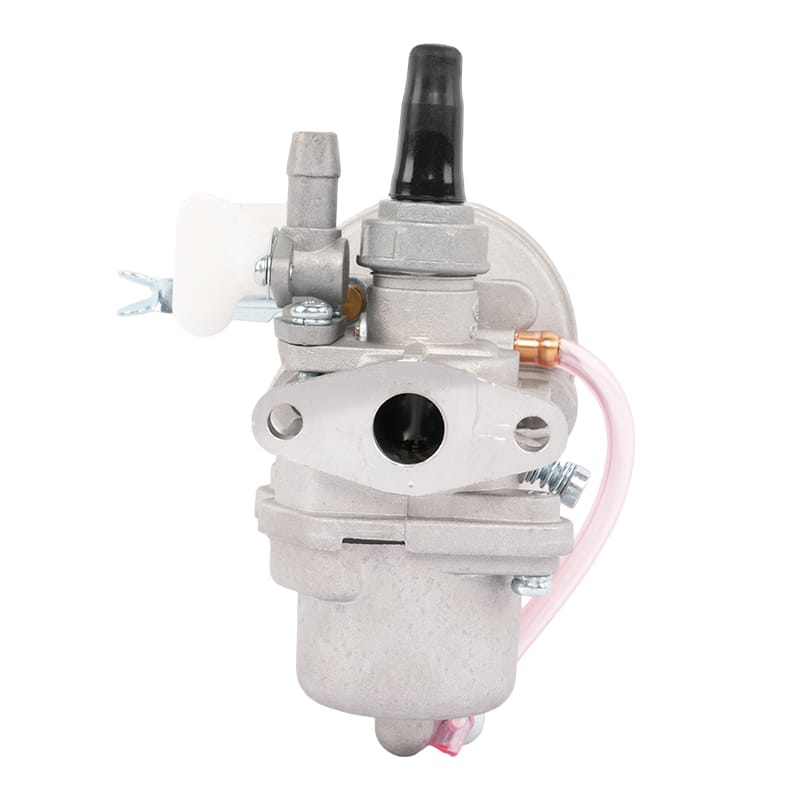
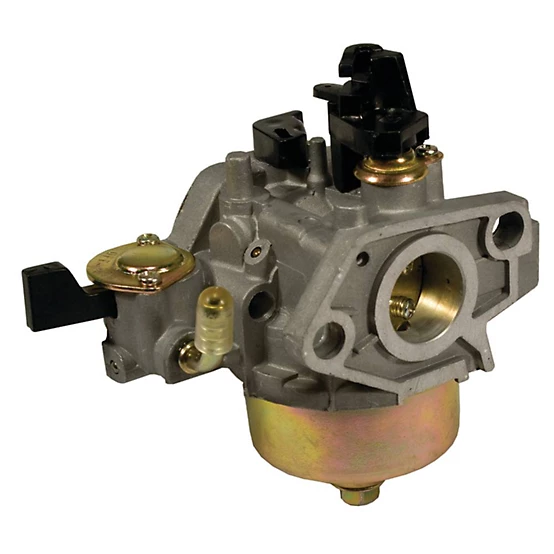
The carburetor is responsible for preparing the correct air-fuel mixture before combustion. It converts liquid fuel into a fine mist and mixes it with air in a controlled ratio to ensure stable ignition.
Core Function Concept
- Fuel metering control
- Airflow regulation
- Mixture atomization
- Idle and acceleration stability
A stable combustion process depends on precise coordination between these functions.
Key Internal Components
Float Chamber
Maintains a stable fuel level to ensure consistent fuel delivery under varying operating conditions.
Jet System
Controls fuel flow rate based on engine speed and load requirements.
Venturi Section
Creates a pressure drop that draws fuel into the airflow stream for atomization.
Adjustment Screws
Fine-tune idle speed and air-fuel mixture for stable engine performance.
Why Honda GX35 4 Stroke Engine Fails to Start
Fuel Delivery Blockage
Fuel blockage is one of the most common failure modes in small engines.
Technical Explanation
When fuel passages are partially or fully obstructed, the carburetor cannot deliver sufficient fuel to the combustion chamber. Even a small amount of debris can significantly reduce flow efficiency.
Typical causes include:
- Jet contamination by varnish deposits
- Fuel filter saturation
- Crystallized ethanol residue
Air-Fuel Mixture Imbalance
Combustion Ratio Concept
A correct air-fuel ratio is required for ignition stability. Even a 10% deviation can cause starting failure.
Symptoms include:
- Hard starting
- Engine only runs with choke
- Unstable idle behavior
Air Leakage in Intake System
Air leaks disrupt vacuum pressure inside the carburetor system.
Common leakage points:
- Gasket surfaces
- Intake manifold connections
- Carburetor mounting base
Fuel Degradation
Fuel older than 30 days begins to oxidize and form gum-like deposits that restrict carburetor passages. Ethanol-blended fuels absorb moisture, accelerating degradation and reducing combustion efficiency.
Honda GX35 4 Stroke Engine Carburetor Not Starting Fix Methods
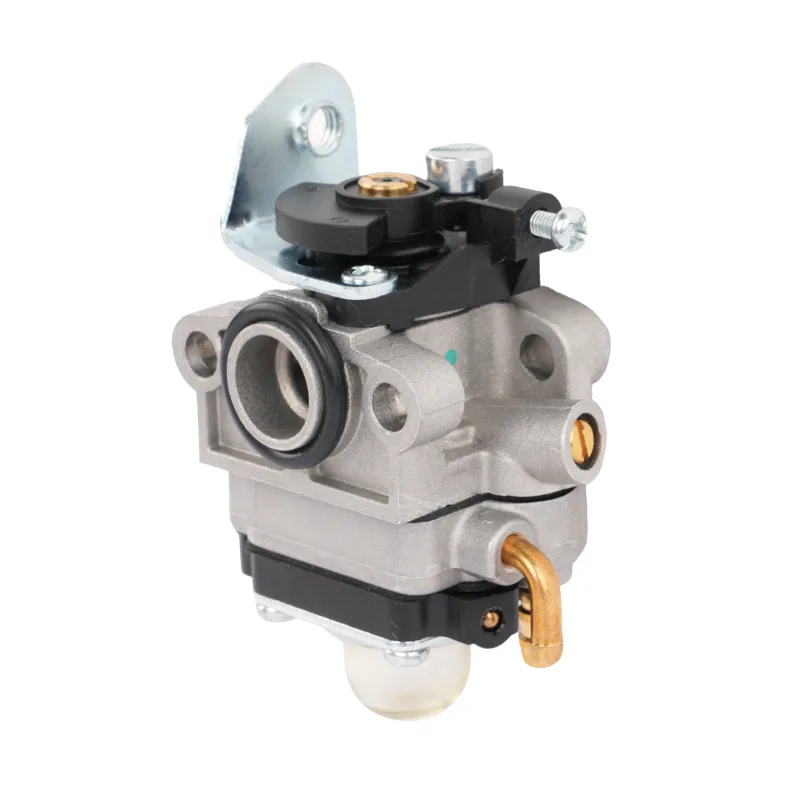
Step 1: System Diagnosis
A structured diagnostic approach ensures accurate identification of failure points.
Core inspection sequence:
- Fuel condition check
- Spark verification
- Air filter inspection
- Carburetor evaluation
- Compression confirmation
Step 2: Carburetor Disassembly
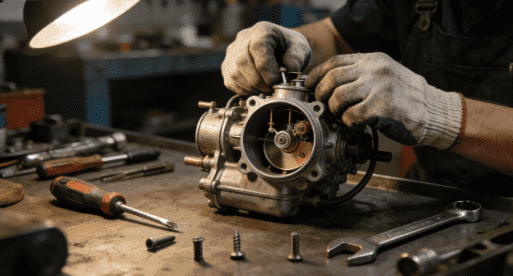
Disconnect fuel supply and remove the air filter housing before detaching the carburetor assembly. Carefully disconnect throttle linkage and mounting bolts to avoid damaging gasket surfaces.
Step 3: Carburetor Cleaning Process
Professional Cleaning Method
- Use carburetor cleaning solvent to dissolve deposits
- Apply compressed air at controlled pressure
- Clean all jets and internal fuel channels
- Inspect float movement and valve sealing
Ultrasonic cleaning is often used in professional workshops for deeper internal cleaning.
Step 4: Fuel System Inspection
Check fuel line integrity for cracks, stiffness, or leakage. Replace fuel filters that show signs of blockage or discoloration. Ensure fuel flows smoothly without air bubbles.
Step 5: Carburetor Adjustment
Idle screw controls engine idle speed stability. Mixture screw adjusts air-fuel ratio.
Small adjustments should be made gradually, as even 1/8 turn can significantly affect engine behavior.
Carburetor Failure Classification Table
| Failure Type | Cause | Symptom | Solution |
|---|---|---|---|
| Jet blockage | Fuel residue | No start | Cleaning |
| Air leakage | Damaged gasket | Unstable idle | Seal replacement |
| Float failure | Mechanical wear | Flooding | Replacement |
| Fuel contamination | Old fuel | Hard starting | Fuel replacement |
| Mixture error | Incorrect tuning | Rough running | Adjustment |
| Internal wear | Long-term use | Persistent failure | Carburetor replacement |
Carburetor vs Ignition System Issues
Carburetor-Related Problems
- Fuel not reaching combustion chamber
- Incorrect air-fuel ratio
- Vacuum pressure instability
Ignition System Problems
- No spark from ignition coil
- Weak spark intensity
- Faulty spark plug
Comparison Table
| System | Symptom | Likelihood in GX35 |
| Carburetor | Fuel starvation, flooding | High |
| Ignition | No spark | Medium |
| Air system | Restricted airflow | Medium |
| Fuel system | Contaminated fuel | Medium |
OEM vs Aftermarket Carburetor Comparison
OEM carburetors provide higher machining precision, better fuel metering accuracy, and longer service life, while aftermarket carburetors offer lower cost but inconsistent quality depending on manufacturer control standards.
| Feature | OEM | Aftermarket |
| Precision | High | Variable |
| Durability | High | Medium |
| Fuel efficiency | Stable | Inconsistent |
| Cost | Higher | Lower |
Industry Case Study: Field Equipment Failure Analysis

A landscaping company using GX35 brush cutters experienced repeated starting failures during peak operation season. Inspection revealed combined issues of carburetor jet blockage, degraded fuel, and restricted air filters.
After implementing ultrasonic carburetor cleaning, fuel system replacement, and scheduled air filter maintenance, starting reliability improved significantly and equipment downtime was reduced by more than one third.
Maintenance Standards for GX35 Carburetor Systems
Recommended service intervals:
- Air filter: every 25–50 operating hours
- Carburetor cleaning: every 60–100 hours
- Fuel system inspection: monthly
- Full carburetor rebuild: every 12–18 months
Fuel specification recommendations:
- Fresh unleaded gasoline
- Ethanol content below 10%
- Storage duration under 30 days
Environmental Factors Affecting Carburetor Performance
High dust environments increase clogging frequency significantly. High humidity contributes to moisture contamination in fuel systems. Temperature fluctuations can lead to vapor lock conditions that affect fuel delivery stability.
Troubleshooting Decision Framework
If engine cranks but does not start, check fuel delivery and carburetor blockage. If engine starts then stalls, evaluate mixture balance and idle settings. If flooding occurs, inspect float valve and fuel level control. If no fuel odor is present, check fuel line obstruction and filter condition.
Conclusion
Starting failure in the Honda GX35 4 stroke engine is most commonly linked to carburetor system issues rather than mechanical engine damage. Understanding the principles of fuel delivery, air-fuel mixing, and vacuum operation allows for accurate diagnosis and effective repair.
With proper cleaning procedures, correct adjustment techniques, and preventive maintenance practices, operators can significantly improve engine reliability, reduce downtime, and extend service life in demanding agricultural and landscaping environments.
FAQ
Why does my Honda GX35 not start even with fuel?
Most commonly due to carburetor jet blockage or fuel delivery failure inside the system.
How often should GX35 carburetor be cleaned?
Typically every 60–100 hours depending on working environment conditions.
Can old fuel damage the carburetor?
Yes. Fuel degradation creates deposits that block internal fuel passages.
Is carburetor replacement better than cleaning?
If internal wear is severe, replacement is more reliable than repeated cleaning.
Why does GX35 only start with choke?
This usually indicates a lean fuel mixture or restricted fuel flow.
Does air filter affect starting performance?
Yes. Restricted airflow directly impacts combustion balance and starting stability.