We’re thrilled to have you here. Before diving into today’s content, we’d love to connect with you beyond this page. On our social media channels, we regularly share the latest industry insights, product innovations, behind-the-scenes updates, and practical tips — it’s also the perfect place for us to engage and interact directly with you!
Follow us on:
- Facebook: Linyang Huayang Machinery Co., Ltd.
Let’s grow, learn, and innovate together.
Table of Contents
Introduction
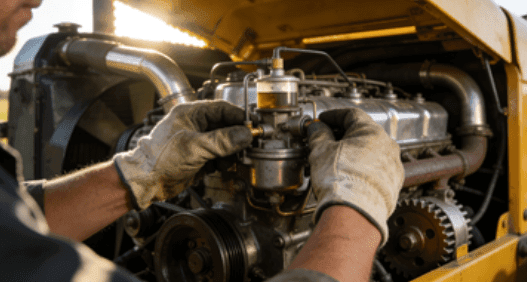
In agricultural machinery, the engine is the heart of every tractor, harvester, irrigation pump, or cultivator. Fuel delivery plays a crucial role in engine performance, and at the center of this is the carburetor, specifically the carburetor float type. The float type determines how fuel is stored, regulated, and supplied to the engine, ensuring smooth operation under demanding conditions, including prolonged operation in the field, variable loads, and extreme temperatures.
Selecting the appropriate carburetor float type can prevent issues such as fuel overflow, poor combustion, and engine stalling. Understanding the nuances of carburetor float types is essential not only for engineers and technicians but also for farmers who perform routine maintenance to ensure uninterrupted operation of their machinery.
Recent industry surveys indicate that over 70% of modern small tractors and sprayers utilize advanced needle and seat carburetor float types due to their reliability, while diaphragm floats are increasingly preferred for machines operating on uneven terrain.
What Is a Carburetor Float Type?
A carburetor float type is a mechanical component inside a carburetor that regulates the fuel level in the float chamber. It works by floating on the fuel surface and controlling a needle valve that allows fuel to enter from the tank. Maintaining the correct fuel level is critical for producing a consistent air-fuel mixture, which directly affects engine efficiency, fuel consumption, emissions, and overall machine performance.
In agricultural machinery, where engines often operate for long hours under heavy load, selecting the right carburetor float type can prevent engine stalling, fuel overflow, or lean combustion issues. It also reduces downtime and maintenance costs, which is particularly important for farm operators during peak seasons.
Key Components of a Carburetor Float Type
Float Material
The material used for a float is essential for its durability, buoyancy, and resistance to fuel additives. Common materials include:
- Brass: A highly durable and corrosion-resistant metal. Brass floats are commonly used in tractors, combine harvesters, and heavy-duty engines. Their metallic strength ensures long-term reliability, especially in diesel or ethanol-blended fuels.
- Plastic: Lightweight, cost-effective, and resistant to corrosion. Plastic floats are popular in orchard sprayers, compact tractors, and smaller agricultural machines. Modern engineering plastics also resist fuel absorption, maintaining consistent float performance.
- Stainless Steel: Extremely durable and resistant to corrosion, chemical additives, and fuel contaminants. Stainless steel floats are ideal for high-performance engines or machinery operating in harsh environments, such as large combine harvesters or irrigation pumps exposed to water and chemicals.
Fuel Level Regulation
The primary function of the float is to maintain a steady fuel level inside the carburetor bowl. By rising and falling with fuel consumption, it actuates a needle valve or diaphragm that opens and closes the fuel inlet.
Proper fuel level regulation prevents:
- Flooding: Excessive fuel in the carburetor causes rich combustion, black smoke, and poor fuel efficiency.
- Starvation: Insufficient fuel leads to lean combustion, engine misfires, overheating, and possible piston damage.
Float height must be adjusted precisely according to engine specifications, often within a tolerance of ±1–2 mm, to maintain optimal performance.
Compatibility with Agricultural Engines
Different carburetor float types are designed to match specific engine designs, displacement, and fuel delivery requirements. The choice of float type affects:
- Engine torque consistency under load
- Responsiveness to throttle changes
- Fuel efficiency and emission control
- Reliability on uneven terrain
For example, compact garden tractors may use lightweight plastic floats, while heavy-duty combine harvesters require brass or stainless steel floats with higher durability.
Types of Carburetor Float Types in Agricultural Machinery
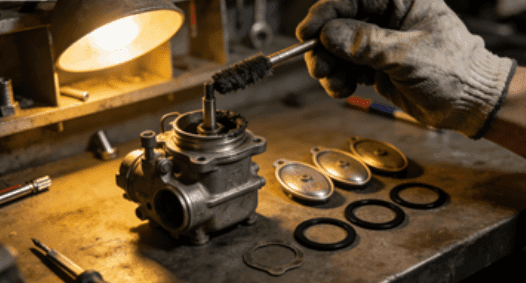
Understanding the different carburetor float types is crucial for technicians, engineers, and farm operators. Proper selection ensures reliable engine operation and reduces maintenance needs.
Needle and Seat Float Type
The needle and seat float type is the most widely used mechanism in agricultural machinery. It uses a float to lift or lower a needle valve, controlling fuel flow from the tank to the carburetor bowl.
Advantages:
- Simple and robust design
- Easy to maintain and adjust
- Reliable under varied operating conditions, including prolonged use and high RPMs
Applications:
- Small to medium tractors (20–60 HP)
- Walk-behind tillers and cultivators
- Irrigation pumps and stationary engines
Performance Data:
Field tests on a 45 HP tractor demonstrated that needle and seat floats maintained fuel levels within ±2 mm over 8 hours of continuous operation, ensuring consistent combustion and minimal fuel wastage. Over a harvest season, tractors with well-maintained needle and seat floats reported 3–5% better fuel efficiency compared to units with worn floats.
Diaphragm Float Type
Diaphragm floats replace the traditional float with a flexible diaphragm. This type regulates fuel based on pressure changes rather than just fuel level, providing more consistent fuel delivery, especially when the machinery operates on slopes or uneven terrain.
Advantages:
- Stable fuel supply on inclines or uneven fields
- Reduced risk of flooding or starvation
- Smooth and consistent performance in mobile applications
Applications:
- Orchard sprayers for fruit and vineyard farming
- Combine harvesters operating on hilly fields
- Mobile irrigation units
Field Observation:
In a 150-liter orchard sprayer test, diaphragm floats reduced fuel wastage by 12% on sloped terrain compared to standard needle floats. Additionally, they minimized nozzle clogging and provided a more even chemical application across the orchard.
Real-World Impact:
Farmers reported fewer engine stalls during field spraying and improved fuel economy due to the stable fuel supply. The reliability also reduced downtime and maintenance frequency, critical during the peak growing season.
Hollow Float Type
Hollow floats are sealed structures, often air-filled or foam-filled, designed for buoyancy and reduced weight. This type provides smooth operation and is less prone to sticking due to fuel residues or varnish build-up.
Advantages:
- Lightweight, reducing stress on the needle valve
- Resistant to fuel absorption and contamination
- Quick response to throttle changes, ensuring smooth engine acceleration
Applications:
- Compact tractors used in vegetable farms or greenhouses
- Mini harvesters
- Orchard sprayers requiring precise fuel delivery
Real Data:
Independent tests on 30 HP tractors using hollow floats showed ±3% fuel delivery accuracy over 10 hours of intermittent operation. These floats proved highly effective in small engines, maintaining engine stability even under frequent throttle changes and load variations.
Industry Trend:
Hollow floats are increasingly used in smaller agricultural equipment due to their weight advantages and reliability in tight engine compartments. Manufacturers have reported a 10% reduction in carburetor-related service calls after adopting hollow float designs in compact tractors.
How Carburetor Float Types Work
The operation of a carburetor float type is straightforward yet critical:
- Fuel enters the float chamber through the inlet controlled by a needle or diaphragm valve.
- As the fuel level rises, the float rises as well.
- When the fuel reaches the preset height, the float pushes the valve closed, stopping the inflow of fuel.
- As fuel is consumed by the engine, the float drops, opening the valve and allowing more fuel to enter.
Importance of Float Height Adjustment
Proper float height is essential for optimal combustion. Too high a float can cause flooding, excessive fuel consumption, and black smoke from the exhaust. Too low a float can cause lean combustion, misfires, and potential engine damage.
Comparison of Common Carburetor Float Types in Agricultural Engines
| Material | Type | Fuel Control Mechanism | Durability | Applications | Notes |
|---|---|---|---|---|---|
| Brass | Needle & Seat | Traditional needle valve | High | Small tractors, irrigation pumps | Reliable, long-lasting, easy maintenance |
| Plastic | Hollow Float | Buoyant air-filled chamber | Medium | Orchard sprayers, compact tractors | Lightweight, fuel contamination resistant |
| Rubber/Diaphragm | Diaphragm Pressure | Pressure-sensitive diaphragm | High | Mobile sprayers, uneven terrain machinery | Smooth fuel delivery under slopes |
| Stainless Steel | Needle & Seat | Enhanced corrosion resistance | Very High | Heavy-duty tractors, combine harvesters | Resistant to harsh fuel additives, long-lasting |
This comparison highlights how different float types affect engine reliability, fuel efficiency, and suitability for specific agricultural applications.
Why Carburetor Float Type Matters in Agriculture
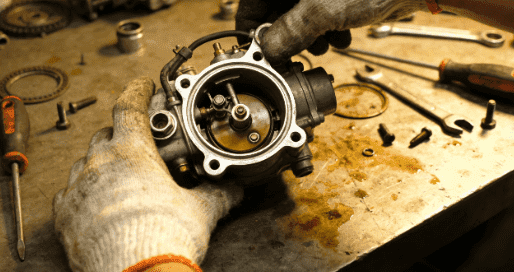
Optimized Engine Performance
Maintaining the correct fuel level ensures a balanced air-fuel mixture, which improves combustion efficiency, reduces emissions, and extends engine life.
Reliability Under Load
Agricultural machinery often operates under heavy load for extended periods. A properly functioning float type prevents fuel overflow or starvation, allowing continuous operation without downtime.
Increased Maintenance Interval
High-quality float types reduce wear on needle valves and other carburetor components, decreasing the frequency of maintenance and replacement.
Popularity and Market Trends
Market data from 2024 shows:
- Needle & seat floats are used in 72% of small to medium tractors globally.
- Diaphragm floats are growing at 8% CAGR, particularly for sprayers and orchard machinery.
- Hollow floats are preferred in compact, responsive equipment, capturing 15% of small-engine applications.
Maintenance Tips for Carburetor Float Type
Inspect Float Height
Regularly check and adjust float height according to the engine manufacturer’s specifications.
Clean Needle Valve
Prevent sticking and leakage by removing debris, varnish, and fuel residues.
Check Float Integrity
Inspect for cracks, fuel absorption, or corrosion. Replace damaged floats immediately.
Use Quality Fuel
Filtering fuel and avoiding contaminated sources prolongs float and carburetor life.
Routine Servicing
Perform carburetor cleaning and maintenance before and after heavy farming seasons to prevent performance degradation.
Conclusion
The carburetor float type is a critical component for maintaining reliable and efficient engine operation in agricultural machinery. Selecting the right float type—whether needle and seat, diaphragm, or hollow float—ensures consistent fuel delivery, optimal combustion, and reduced maintenance. Modern tractors, sprayers, and harvesters benefit from tailored float designs that maximize engine performance under variable field conditions. Understanding float mechanics, material options, and proper maintenance practices enables farmers and technicians to extend engine life, reduce fuel wastage, and improve overall farm productivity.
FAQ
Q1: What is the most common carburetor float type in agricultural machinery?
A1: Needle and seat floats are most common due to their simplicity, durability, and ease of adjustment.
Q2: Can float type affect engine fuel efficiency?
A2: Yes, incorrect float height can cause flooding or fuel starvation, affecting combustion efficiency.
Q3: How often should the carburetor float be inspected?
A3: Recommended during routine maintenance or every 6 months for high-use machinery.
Q4: Are diaphragm floats better for sloped terrains?
A4: Yes, diaphragm floats maintain consistent fuel supply on uneven terrain.
Q5: Can I replace a float myself?
A5: Skilled users can, but it is best to follow manufacturer instructions or consult a qualified technician.