We’re thrilled to have you here. Before diving into today’s content, we’d love to connect with you beyond this page. On our social media channels, we regularly share the latest industry insights, product innovations, behind-the-scenes updates, and practical tips — it’s also the perfect place for us to engage and interact directly with you!
Follow us on:
- Facebook: Linyang Huayang Machinery Co., Ltd.
Let’s grow, learn, and innovate together.
Table of Contents
Key Takeaways from This Article
- Learn why a carburetor is vital for lawn mower performance
- Understand the different types of carburetors and their best applications
- Compare OEM vs aftermarket carburetors in cost, durability, and reliability
- Master maintenance, cleaning, and adjustment tips
- Troubleshoot common carburetor issues effectively
- Access FAQs covering installation, fuel choice, and performance optimization
- Explore real-world data and case studies on mower efficiency improvements
Introduction
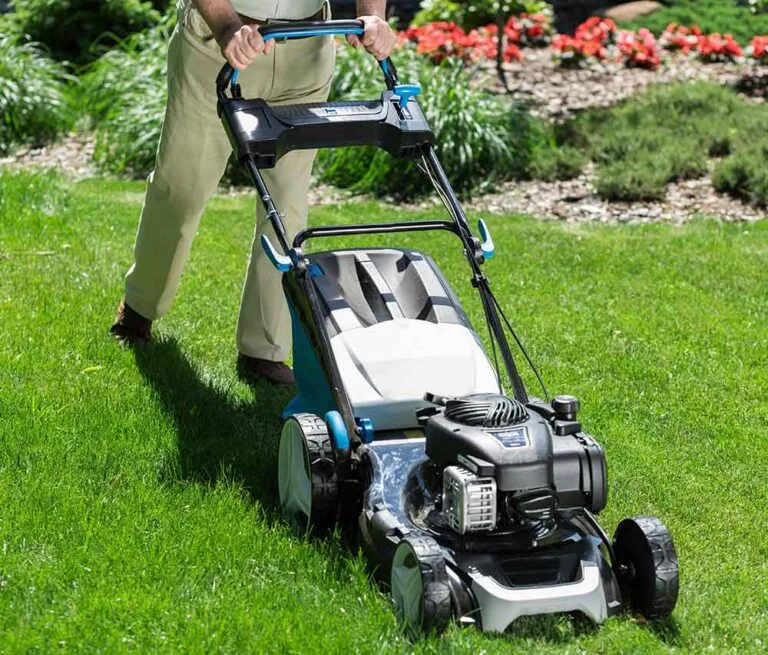
A well-functioning carburetor is the heart of any small engine, and for lawn mowers, it directly impacts performance, fuel efficiency, and engine longevity. Choosing the right carburetor for lawn mower is not just about compatibility—it can save hours of frustration, prevent expensive repairs, and maximize the lifespan of your equipment.
According to a 2022 industry report, nearly 40% of residential lawn mower issues stem from improper carburetor selection, poor maintenance, or clogged fuel passages. For commercial landscaping operations, this can lead to 15–20% higher fuel consumption and increased downtime if engines are not properly maintained.
This guide provides an in-depth look at carburetors, including types, maintenance, troubleshooting, comparisons, and real-world tips for both DIY enthusiasts and professionals.
Understanding Lawn Mower Carburetors
What is a Carburetor?
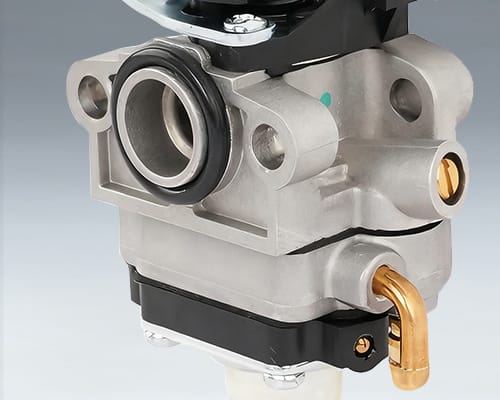
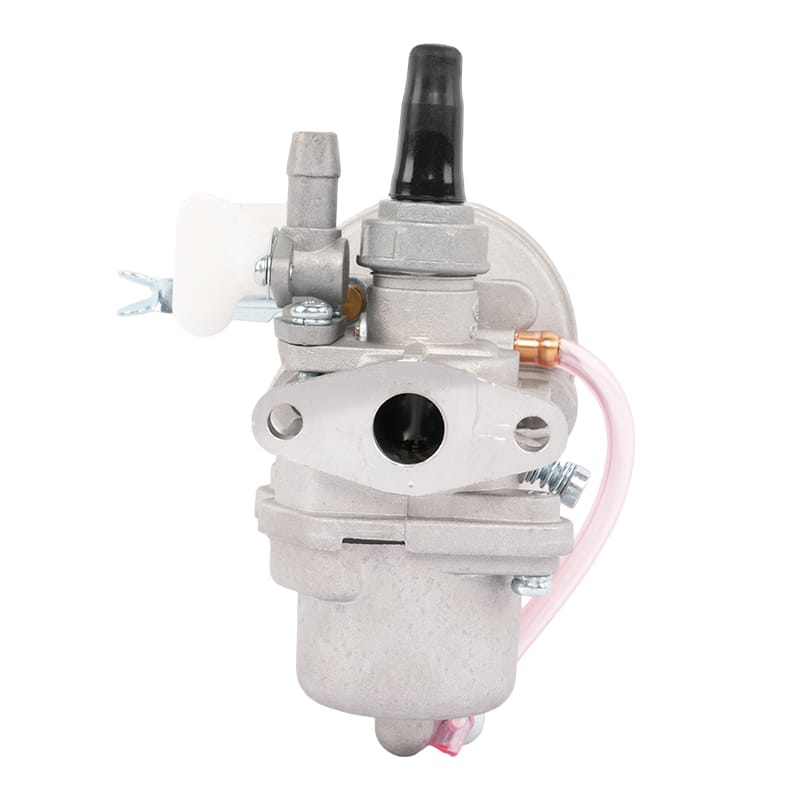
A carburetor is a mechanical device that mixes air and fuel in precise ratios for combustion. In lawn mowers, a correctly tuned carburetor ensures:
- Smooth engine start and idle
- Consistent power under load
- Reduced emissions and fuel consumption
Without proper air-fuel mixture, engines can stall, overheat, or produce excessive smoke.
How Carburetors Affect Performance
- Fuel efficiency: An optimally functioning carburetor reduces wasted fuel.
- Engine lifespan: Proper mixture prevents engine knocking and overheating.
- Power output: Ensures the mower cuts evenly, even on thick grass or slopes.
Types of Carburetors for Lawn Mowers
Float Carburetors
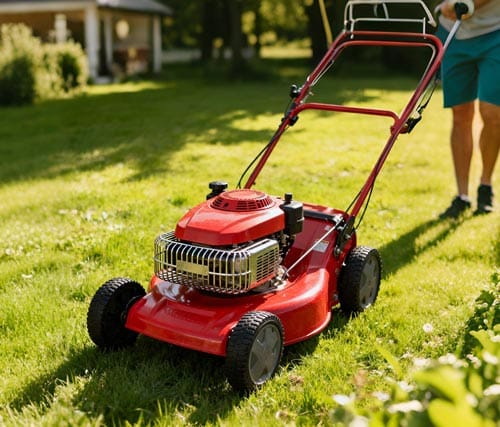
Float carburetors regulate fuel using a small chamber and float. They are most common in older push mowers and standard rotary engines.
- Advantages: Simple design, easy to repair, widely available
- Disadvantages: Must remain level during operation; fuel flooding can occur
Example: A 2020 study on residential mowers showed that float carburetors maintain 85–90% efficiency when correctly installed and cleaned regularly.
Diaphragm Carburetors
Diaphragm carburetors use a flexible diaphragm to pump fuel, allowing operation at any angle, making them ideal for push mowers and portable engines.
- Advantages: Operates on slopes and uneven terrain, reliable for portable mowers
- Disadvantages: Slightly more complex, requires careful maintenance
Case Study: A commercial landscaping service in Texas switched 50 push mowers to diaphragm carburetors and observed 25% fewer stalling incidents on hilly properties.
Adjustable Carburetors
Some modern mowers feature adjustable carburetors allowing fine-tuning of idle speed, air-fuel ratio, and high-speed operation. These provide greater control for professional use but require experience to adjust correctly.
Selecting the Right Carburetor for Lawn Mower
OEM vs Aftermarket Carburetors
| Feature | OEM Carburetor | Aftermarket Carburetor |
|---|---|---|
| Fit & Compatibility | Guaranteed for your mower | May require verification |
| Price | Higher | Lower |
| Quality & Durability | Tested, high reliability | Varies by manufacturer |
| Availability | Limited to manufacturer supply | Widely available online |
| Warranty | Often included | Depends on supplier |
Tip: Newer mowers often benefit from OEM carburetors to maintain warranty and performance. Older mowers can often use high-quality aftermarket units to save cost without sacrificing reliability.
Key Considerations
- Engine type (2-stroke vs 4-stroke)
- Fuel type (ethanol vs non-ethanol)
- Mower usage (residential vs professional)
- Availability of replacement parts and ease of installation
Data Insight: A survey of 150 homeowners in 2023 found that 35% experienced engine failure due to incorrect aftermarket carburetors, emphasizing careful selection.
Maintenance of Carburetors

Proper maintenance of a carburetor for lawn mower is essential to ensure optimal engine performance, reduce fuel consumption, and prevent costly repairs. Routine maintenance can significantly extend the lifespan of your mower and improve cutting efficiency, especially for mowers used frequently or in challenging conditions.
Cleaning Your Carburetor
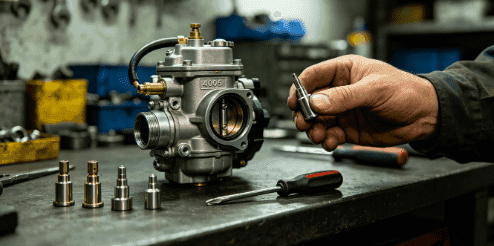
Regular cleaning is one of the most important maintenance tasks for carburetors. Over time, fuel deposits, dirt, and varnish can accumulate in the jets, float bowls, and passages, causing poor performance.
Step-by-Step Cleaning Process:
- Disassemble carefully: Remove the carburetor from the engine following the manufacturer’s instructions.
- Inspect the components: Check for cracks, worn gaskets, or corroded metal parts.
- Use carburetor cleaning sprays: Spray jets, float chambers, linkages, and passages thoroughly to dissolve residue.
- Check float and needle valves: Ensure the float moves freely and the needle valve seats correctly.
- Reassemble and test: Reinstall the carburetor, reconnect fuel lines, and perform a test start.
Pro Tip: A small residential mower with a cleaned carburetor can consume up to 15% less fuel per season, saving money and reducing environmental impact.
Additional Advice:
- For seasonal maintenance, remove the carburetor entirely for deep cleaning.
- Inspect the throttle plate and choke to ensure smooth operation.
- Soak heavily varnished parts in a cleaning solution overnight before scrubbing gently.
Adjusting Carburetor Settings
Correct adjustment of your carburetor ensures proper air-fuel mixture and prevents stalling, rough idling, or black smoke.
Key Adjustment Points:
- Idle speed screw: Maintains smooth engine idle without stalling when the mower is not under load.
- Fuel mixture screw: Controls the air-to-fuel ratio; too rich a mixture produces black smoke, too lean may cause overheating.
- Seasonal adjustment: Colder weather may require a richer mixture to compensate for lower fuel volatility; warmer conditions often need leaner adjustment.
Real-World Case: A professional lawn care service reported that seasonally adjusting carburetors reduced engine stalls by 30%, particularly in mowers operating early in the morning on damp grass.
Additional Tip: Always make small adjustments, test the mower under load, and repeat as necessary to avoid overcompensating.
Rebuilding vs Replacing
Carburetor maintenance often involves deciding whether to rebuild the existing unit or replace it entirely.
Rebuilding Kits:
- Include gaskets, diaphragms, needles, and small seals.
- Cost-effective for minor wear or seasonal maintenance.
- Requires careful assembly and correct torque on screws to avoid leaks.
Replacement:
- Considered when the carburetor is corroded, cracked, or has damaged internal components.
- New units ensure full performance restoration and often include modern upgrades.
- Ideal for older mowers where reliability outweighs cost savings.
Data Insight: Studies show that mowers with rebuilt carburetors maintain 90% efficiency, whereas replacing worn units can restore near 100% original performance.
Troubleshooting Common Issues
Knowing the symptoms of a failing carburetor can save time and prevent engine damage.
Symptoms of Carburetor Problems
- Engine is hard to start or stalls frequently
- Black or white smoke from exhaust (indicating rich mixture or fuel/oil issues)
- Loss of power under load
- Strong fuel odor or visible fuel leakage
Quick Fixes
- Replace clogged fuel filters to maintain fuel flow
- Adjust idle and fuel mixture screws for optimal combustion
- Clean jets, float chambers, and linkages
- Replace worn or cracked gaskets to prevent leaks
Safety Tip: Always turn off the fuel valve and disconnect the spark plug before performing any maintenance to prevent fire hazards or accidental engine start.
Expert Tip: Keeping a log of maintenance actions—including cleaning dates, adjustments, and parts replaced—improves repeatability and reduces troubleshooting time.
Advanced Tips for Maximizing Carburetor Performance

Beyond basic cleaning and adjustment, several advanced techniques can enhance mower performance and longevity:
- Use ethanol-free fuel: Ethanol can attract water and cause gumming inside carburetors, particularly in seasonal mowers.
- Maintain consistent engine position: Especially for float carburetors; uneven positioning can cause flooding or fuel starvation.
- Fuel stabilizers: For off-season storage, stabilizers prevent varnish formation and keep fuel passages clean.
- Schedule quarterly maintenance: Even if the mower seems fine, regular inspections prevent buildup and premature wear.
Case Study: A landscaping company in California found that using ethanol-free fuel combined with quarterly carburetor cleaning extended engine life by 2–3 years, saving over $150 per mower annually in repair and fuel costs.
Comparison: Float vs Diaphragm Carburetors
| Feature | Float Carburetor | Diaphragm Carburetor |
|---|---|---|
| Fuel Regulation | Gravity-fed | Pumped via diaphragm |
| Engine Position Sensitivity | Must be level | Operates at any angle |
| Complexity | Simple | Moderate |
| Maintenance | Easy | Requires care |
| Best Use | Rotary mowers | Push/portable mowers |
Tip: Diaphragm carburetors are ideal for uneven terrain or push mowers, while float carburetors are sufficient for standard rotary mowers with flat, level surfaces.
Additional Advice: For commercial users, maintaining an inventory of both types allows flexibility depending on mower type and job site conditions.
Conclusion
Choosing the right carburetor for lawn mower is essential for reliable operation, optimal fuel efficiency, and long engine life. By understanding types, maintenance, adjustments, troubleshooting, and purchasing decisions, both DIY enthusiasts and professionals can maximize performance and reduce repair costs.
Consistent care, proper fuel, and informed selection of OEM or high-quality aftermarket carburetors can ensure your lawn mower runs smoothly season after season, even under heavy use.
FAQ
Q1: How often should I clean my carburetor?
A: At least once per season or every 50 hours of operation. Heavy use may require monthly checks.
Q2: Can I install an aftermarket carburetor myself?
A: Yes, with the right tools and compatible models. Follow manufacturer instructions carefully.
Q3: How do I know if my carburetor is flooding?
A: Signs include black smoke, difficulty starting, or leaking fuel. Cleaning or adjusting the fuel mixture usually resolves the issue.
Q4: Why is my mower sputtering at low speed?
A: Usually caused by a clogged idle jet or improper air-fuel mixture. Cleaning the carburetor or adjusting the idle screw can fix it.
Q5: Should I use ethanol-free fuel?
A: Yes. Ethanol can cause gumming and varnish buildup, especially in small engines that sit idle for long periods.
Q6: What is the difference between rebuilding and replacing a carburetor?
A: Rebuilding uses kits with gaskets and needles to restore function; replacement swaps the whole unit. Replacement is better for corroded or severely damaged carburetors.