We’re thrilled to have you here. Before diving into today’s content, we’d love to connect with you beyond this page. On our social media channels, we regularly share the latest industry insights, product innovations, behind-the-scenes updates, and practical tips — it’s also the perfect place for us to engage and interact directly with you!
Follow us on:
- Facebook: Linyang Huayang Machinery Co., Ltd.
Let’s grow, learn, and innovate together. Now, let’s jump into the blog — we hope you find the content both insightful and actionable!
Table of Contents
Why Small Carburetor Adjustments Make a Big Difference
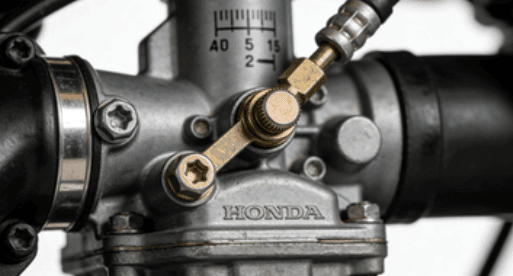
A slight hesitation when you twist the throttle.
An engine that stalls just as it warms up.
Fuel consumption that feels higher than it should be.
These are not rare problems—they are the most common signals that a Honda 400EX carburetor is slightly out of balance, not broken.
Many riders immediately think about replacement. In reality, most performance issues come from minor tuning inconsistencies, not worn components. The 400EX carburetor is a mechanically simple yet extremely sensitive system, designed to respond precisely to airflow, fuel pressure, and throttle input.
Understanding how smart adjustments work can restore smooth power delivery, improve reliability, and extend engine life—often without replacing a single part.
Key Takeaways of This Guide
- How the Honda 400EX carburetor regulates air and fuel in real-world riding
- Four smart adjustment concepts that influence power, idle stability, and efficiency
- Data-based insights into air-fuel ratios, idle RPM, and fuel flow behavior
- Comparison scenarios that help riders choose the right tuning direction
- FAQ answers based on how riders actually search and ask questions today
Understanding the Honda 400EX Carburetor System
The Honda 400EX carburetor is a vacuum-controlled, mechanically tuned fuel delivery system. Its job is to maintain a consistent air-fuel mixture across changing throttle positions and engine speeds.
Unlike fuel injection, the carburetor relies on:
- Pressure differentials
- Mechanical openings
- Gravity-fed fuel flow
This design offers durability and simplicity, but it also means that adjustment accuracy matters more than software compensation.
Core Functions of the Carburetor
At a functional level, the carburetor controls:
- Fuel volume entering the intake
- Air velocity through the venturi
- Fuel atomization quality
- Idle and low-speed stability
Even small deviations in these areas can noticeably affect how the engine behaves.
How Environmental Factors Affect the Honda 400EX Carburetor
Altitude Influence
At higher altitudes, air density decreases. This means less oxygen enters the carburetor for the same throttle input.
Without adjustment, the mixture becomes richer, leading to:
- Reduced power output
- Incomplete combustion
- Increased fuel consumption
Temperature Sensitivity
Cold air is denser than warm air. A Honda 400EX carburetor that performs well in summer may behave differently in colder conditions.
Smart tuning accounts for seasonal variation rather than using one fixed setup year-round.
Smart Adjustment 1: Air-Fuel Mixture Balance
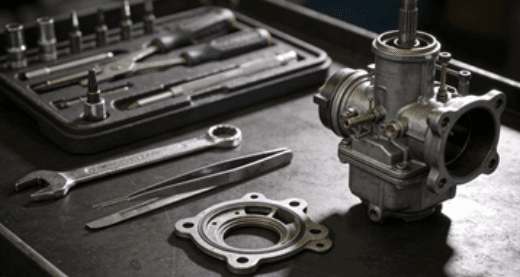
Understanding Optimal Air-Fuel Ratios
For most four-stroke ATV engines:
- Ideal combustion occurs around 14.7:1 (air to fuel)
- Performance-focused tuning often targets 13.0–13.5:1
- Lean conditions exceed 15.5:1, increasing engine heat
The Honda 400EX carburetor mixture screw fine-tunes this balance at idle and low throttle openings.
Practical Impact on Performance
A correctly adjusted mixture delivers:
- Cleaner throttle transitions
- Reduced spark plug fouling
- Lower combustion temperatures
Rather than chasing maximum richness or leanness, smart tuning focuses on stability across throttle ranges.
Smart Adjustment 2: Idle Speed Optimization
Ideal Idle RPM Range
For most stock configurations, the Honda 400EX idles best between:
- 1,300–1,500 RPM
Below this range, stalling becomes more likely. Above it, unnecessary engine wear and heat buildup may occur.
Why Idle Quality Predicts Overall Health
Idle behavior reveals how well fuel and air are balanced at the most sensitive operating range.
A stable idle indicates:
- Proper mixture balance
- Even combustion
- Predictable throttle recovery
Inconsistent idle often signals deeper imbalance within the carburetor system.
Smart Adjustment 3: Throttle Response Calibration
What Riders Mean by “Snappy” Throttle
Throttle response refers to the delay—or lack of delay—between throttle input and engine reaction.
Response is affected by:
- Fuel delivery timing
- Air velocity consistency
- Slide or butterfly movement
A Honda 400EX carburetor tuned for responsiveness feels immediate without being aggressive.
Control vs Power Trade-Off
- Faster response improves technical trail riding
- Slightly softer response enhances traction and fuel efficiency
Smart calibration balances both rather than favoring extremes.
Smart Adjustment 4: Float Level Consistency
Fuel Height and Its Real Effect
Float height controls the fuel level inside the carburetor bowl. Typical operating tolerance is within ±1 mm of specification.
Incorrect float levels cause:
- Fuel flooding during turns or braking
- Lean hesitation during acceleration
- Irregular fuel pressure at the jets
Stability Across Riding Conditions
Consistent float height allows the Honda 400EX carburetor to deliver predictable fuel flow regardless of terrain changes.
This adjustment is especially critical for riders who experience uneven performance on slopes or rough trails.
Comparing Adjustment Outcomes for the Honda 400EX Carburetor
| Adjustment Area | Poor Setting Effect | Optimized Outcome |
|---|---|---|
| Air-Fuel Mixture | Overheating or bogging | Smooth combustion |
| Idle Speed | Stalling or vibration | Stable idle |
| Throttle Response | Lag or surge | Controlled acceleration |
| Float Level | Flooding or starvation | Even fuel delivery |
This comparison highlights how tuning affects behavior rather than just numbers.
Carburetor Adjustment vs Replacement
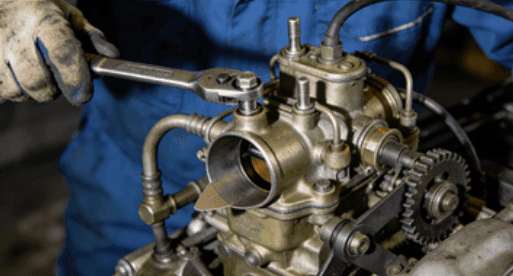
Cost and Performance Considerations
When riders experience performance issues, the first instinct is often to replace the carburetor entirely. However, for most Honda 400EX engines, this approach is unnecessary and often inefficient from both a cost and performance standpoint.
In real-world conditions, a proper carburetor adjustment can restore approximately 90–95% of the original performance, provided that the internal components remain structurally intact. This level of recovery is more than sufficient for the majority of recreational, trail, and sport riders.
Adjustment focuses on optimizing existing airflow and fuel delivery paths rather than introducing new components. This preserves factory tolerances and maintains predictable engine behavior.
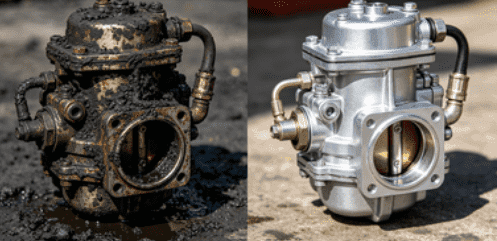
Replacement is generally justified only in specific scenarios, such as:
- Internal fuel or air passages that are permanently blocked or physically damaged
- Severe corrosion caused by long-term moisture exposure or contaminated fuel
- Warped or deformed mechanical components that prevent accurate calibration
Understanding the difference between performance loss caused by misadjustment and performance loss caused by physical damage helps riders avoid unnecessary expenses while achieving reliable results.avoid unnecessary expenses.
Riding Style-Based Adjustment Concepts
Different riding styles place different demands on the Honda 400EX carburetor. Smart adjustment does not aim for a single universal setting, but instead adapts carburetor behavior to how the ATV is actually used.
Trail Riding Setup
Trail-focused tuning prioritizes control, predictability, and consistency rather than aggressive output. This setup is especially important for technical terrain where throttle precision matters more than raw speed.
Key tuning characteristics include:
- Smooth and gradual throttle progression to prevent wheel spin
- Stable idle performance at low RPM for frequent stops and slow navigation
- Consistent fuel delivery over uneven terrain, roots, and small obstacles
In trail environments, abrupt throttle response can reduce traction and rider confidence. A logically tuned Honda 400EX carburetor improves ride comfort and reduces fatigue over long sessions.
Sport and Open Terrain Setup
Open terrain riding places greater emphasis on acceleration, sustained speed, and mid-range power output. In these conditions, the carburetor must respond quickly and maintain fuel delivery at higher engine loads.
This setup typically benefits from:
- Faster and more immediate throttle response
- A slightly richer mid-range mixture to support sustained acceleration
- Improved tolerance for higher RPM operation over extended periods
While this configuration enhances performance, it still requires balance. Excessively aggressive tuning can increase fuel consumption and engine stress without delivering meaningful gains.
The Honda 400EX carburetor is flexible enough to support both riding styles when adjustments are made logically rather than aggressively.
Long-Term Reliability and Engine Health
How Proper Adjustment Reduces Wear
Carburetor tuning plays a direct role in long-term engine durability. Incorrect adjustment often leads to subtle but cumulative damage that may not be immediately noticeable.
Poor tuning increases:
- Combustion temperatures beyond optimal operating ranges
- Mechanical stress on pistons, valves, and connecting components
- Carbon buildup on intake valves and combustion chambers
Over time, these conditions accelerate wear and reduce engine efficiency. Smart adjustments maintain balanced combustion, which helps regulate temperature and minimize unnecessary mechanical strain.
Fuel Efficiency Expectations
Fuel efficiency is a direct reflection of combustion quality. When air and fuel are properly balanced, less fuel is wasted during each combustion cycle.
A properly adjusted Honda 400EX carburetor can improve fuel efficiency by approximately 5–12%, depending on:
- Riding style
- Terrain conditions
- Baseline tuning accuracy
This improvement not only reduces fuel costs but also extends riding range and decreases the frequency of refueling.
Common Adjustment Mistakes to Avoid
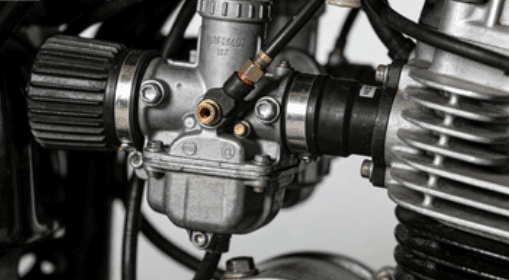
Over-Tightening Adjustment Screws
Carburetor adjustment screws are designed for precision, not force. Even small turns can produce noticeable changes in performance.
Over-tightening can:
- Damage threads permanently
- Alter calibration accuracy
- Make future adjustments unreliable
Smart tuning relies on incremental changes and careful observation rather than excessive force.
Chasing Maximum Power
Tuning exclusively for peak horsepower often creates trade-offs that harm overall ride quality. Maximum power settings can increase heat, reduce fuel efficiency, and shorten engine life.
Smart tuning prioritizes:
- Usable power across the RPM range
- Predictable throttle response
- Long-term reliability over theoretical performance numbers
For most riders, balanced performance delivers better results than aggressive tuning extremes.
Final Thoughts on Smart Honda 400EX Carburetor Adjustments
Smart carburetor adjustment is about understanding behavior, not memorizing numbers. Each setting influences how the system responds as a whole.
By applying these four adjustment principles, riders can keep their Honda 400EX carburetor reliable, efficient, and responsive across a wide range of riding conditions—without unnecessary replacements or guesswork.
FAQ
What is the best adjustment for a Honda 400EX carburetor?
The most important adjustment is air-fuel balance combined with stable idle speed. These two areas affect nearly all riding conditions.
Why does my Honda 400EX carburetor hesitate off idle?
Off-idle hesitation usually indicates a lean mixture or delayed fuel delivery rather than a mechanical failure.
Can carburetor adjustment improve fuel economy?
Yes. Correct tuning improves combustion efficiency and reduces wasted fuel.
How often should a Honda 400EX carburetor be adjusted?
Adjustment is recommended after long storage, altitude changes, or noticeable performance shifts.
Is tuning better than cleaning?
Cleaning restores flow; tuning optimizes behavior. Both are necessary for best results.