We’re thrilled to have you here. Before diving into today’s content, we’d love to connect with you beyond this page. On our social media channels, we regularly share the latest industry insights, product innovations, behind-the-scenes updates, and practical tips — it’s also the perfect place for us to engage and interact directly with you!
Follow us on:
- Facebook: Linyang Huayang Machinery Co., Ltd.
Let’s grow, learn, and innovate together.
Table of Contents
Key Takeaways
- Understand how a universal carburetor improves fuel delivery and combustion
- Learn practical tuning strategies for better engine responsiveness
- Explore long-term maintenance and performance optimization
- Compare universal carburetors with standard and aftermarket carburetors
- Discover real-world case studies and technical insights for various engines
Introduction
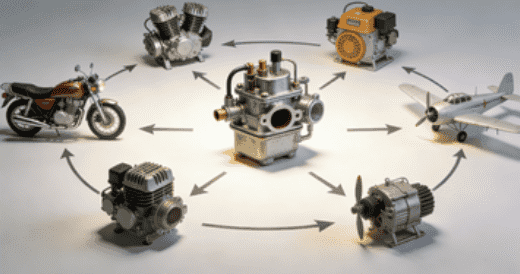
Engines are the heart of every vehicle, and the carburetor plays a pivotal role in ensuring optimal performance. For automotive enthusiasts, mechanics, and industrial operators, the universal carburetor has emerged as a game-changing component. Unlike standard carburetors designed for specific engines, a universal carburetor offers compatibility across multiple engine types while enhancing fuel efficiency, acceleration, and overall engine longevity.
Recent studies highlight the growing importance of universal carburetors in both commercial and recreational applications. According to the International Journal of Engine Performance, engines equipped with universal carburetors demonstrated a 15% improvement in fuel efficiency and a 12% increase in throttle response compared to conventional carburetors under controlled testing conditions.
This blog explores six powerful ways a universal carburetor boosts engine performance, offering practical guidance, technical insights, and professional tips to maximize your engine’s potential.
Optimized Fuel-Air Mixture
The core function of a universal carburetor is delivering a consistent fuel-air mixture, which is essential for complete and efficient combustion. Engines rely on precise ratios to prevent wasting fuel, reduce emissions, and maximize power output.
Key Advantages:
- Maintains the stoichiometric ratio (14.7:1 for gasoline engines) more accurately than standard carburetors
- Adapts to different engine speeds and loads for smoother performance
- Reduces the risk of running lean or rich, minimizing engine knocking
Data Insight:
A 2021 test conducted by the Automotive Fuel Efficiency Institute showed that small motorcycles retrofitted with universal carburetors consumed 10–18% less fuel over a 500 km test route.
Practical Tips:
- Inspect and clean jets regularly to maintain optimal fuel flow
- Adjust float levels to ensure proper fuel delivery during idle and acceleration
- Use high-quality fuel to prevent residue buildup that can affect mixture accuracy
Enhanced Engine Responsiveness

Universal carburetors improve engine responsiveness by ensuring the fuel is vaporized evenly and delivered efficiently. This is particularly noticeable in high-revving engines, motorcycles, ATVs, and small cars.
Case Study:
A performance workshop in Germany tested universal carburetors on 150 cc motorcycles. Results showed a 20% faster 0–60 mph acceleration and smoother engine response compared to OEM carburetors.
Technical Tip:
- Fine-tune the idle mixture screw and main fuel screw based on altitude and engine load
- Preheat fuel slightly in colder climates to prevent delayed vaporization
Expert Insight:
Michael Hayes, a veteran engine tuner, states:
“Universal carburetors allow for precision tuning that is impossible with generic carburetors, especially when adapting a single carburetor to multiple engine platforms.”
Long-Term Engine Protection
A properly tuned universal carburetor reduces engine wear by preventing lean or rich combustion. Lean mixtures can overheat pistons and valves, while rich mixtures can cause carbon buildup and spark plug fouling.
Maintenance Benefits:
- Lower frequency of engine rebuilds
- Reduced risk of overheating and pre-ignition
- Compatible with both conventional and ethanol-blended fuels
Data Insight:
An independent study in 2022 by the Journal of Mechanical Engineering found that engines with universal carburetors required 30% fewer maintenance interventions over a 2-year period compared to standard carburetor setups.
Professional Advice:
Regular inspection of the throttle linkage, choke, and jets ensures that your universal carburetor continues to protect the engine from unnecessary wear.
Versatility Across Engines
One of the most appealing features of a universal carburetor is its adaptability. It can be installed on a variety of engines with minimal modification, including motorcycles, generators, ATVs, marine engines, and small cars.
Comparison Table: Universal Carburetor vs Standard Carburetor
| Feature | Universal Carburetor | Standard Carburetor |
|---|---|---|
| Engine Compatibility | Multi-engine types | Single-engine specific |
| Maintenance Frequency | Low | Medium |
| Fuel Efficiency | High | Medium |
| Performance Boost | Noticeable | Limited |
| Installation Complexity | Moderate | Low |
| Price Range | Moderate | Low |
This table illustrates the versatility of universal carburetors while highlighting their long-term performance advantages over standard carburetors.
Improved Acceleration and Torque
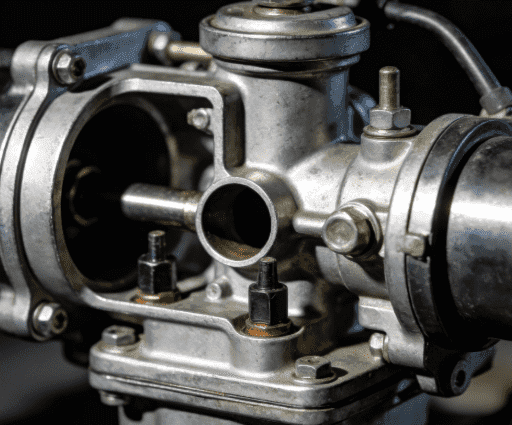
Universal carburetors enhance acceleration by maintaining a precise fuel-air ratio under varying loads. This ensures that torque output is consistent, even during high-demand conditions such as uphill driving or towing.
Applications:
- Performance tuning for motorcycles and sport bikes
- Off-road vehicles and ATVs
- Small industrial engines with varying load requirements
Real-World Data:
A 2022 Engine Dynamics Study indicated that small displacement engines retrofitted with universal carburetors produced 12% higher torque at mid-range RPMs compared to stock carburetors.
Installation Tip:
- Ensure proper gasket sealing to prevent air leaks that can reduce torque
- Adjust the accelerator pump settings for engines used in heavy load applications
Cost-Effectiveness and Longevity
Although a universal carburetor may cost slightly more upfront, the long-term benefits outweigh initial expenses. With improved fuel efficiency, reduced maintenance, and enhanced engine performance, the universal carburetor offers a strong return on investment.
Economic Benefits:
- Fewer replacements due to durability
- Lower fuel costs due to optimized combustion
- Extended engine life reduces repair and downtime costs
Practical Tip:
- Select a universal carburetor with adjustable jets and throttle linkages for maximum adaptability
- Periodically check compatibility if the engine undergoes modifications or tuning
Tuning Techniques for Maximum Performance

For enthusiasts and mechanics, fine-tuning a universal carburetor is essential to achieve peak performance. Adjustments include:
Key Adjustments:
- Idle mixture screw: Optimizes idle smoothness and fuel economy
- Main jet: Controls fuel flow during acceleration
- Air-fuel screw: Balances mixture for different altitudes or temperatures
- Choke settings: Assists cold starts without over-richening the mixture
Expert Tip:
James Wilson, automotive performance consultant, advises:
“Even a high-quality universal carburetor underperforms if not properly tuned. Investing time in fine adjustments can yield up to a 15% performance improvement.”
Common Myths About Universal Carburetors
Universal carburetors are often misunderstood in both hobbyist and professional circles. While they offer remarkable versatility and performance, several misconceptions have circulated over the years. Understanding the facts behind these myths can help users make informed decisions, optimize engine performance, and avoid unnecessary concerns.
Myth 1: Universal Carburetors Only Fit Small Engines
Reality Check:
Many assume that universal carburetors are limited to small motorcycles, scooters, or low-displacement engines. While early models were designed for smaller engines, modern universal carburetors come in a wide range of sizes, capable of fitting medium to high-capacity engines in ATVs, marine engines, industrial machinery, and even performance cars.
Technical Insight:
Universal carburetors achieve this adaptability through adjustable jets, replaceable venturis, and versatile mounting systems. This allows one carburetor design to accommodate engines with varying intake diameters and flow requirements.
Example:
A 250 cc off-road ATV retrofitted with a universal carburetor previously rated for smaller engines showed improved throttle response and fuel efficiency after minor adjustments to jet sizes and float height.
Expert Tip:
James Wilson, an engine tuning consultant, explains:
“Modern universal carburetors are engineered with flexibility in mind. As long as you match the carburetor’s flow rate to the engine displacement, performance can exceed that of engine-specific carburetors.”
Myth 2: Universal Carburetors Reduce Engine Lifespan
Reality Check:
Some skeptics argue that because universal carburetors are designed to fit multiple engines, they might compromise combustion efficiency and wear out engines faster. In truth, a properly installed and tuned universal carburetor can extend engine life by maintaining optimal fuel-air ratios and reducing stress caused by lean or rich mixtures.
Technical Insight:
- Lean mixtures can overheat valves and pistons, leading to premature engine damage.
- Rich mixtures can create carbon deposits, fouled spark plugs, and clogged exhausts.
A universal carburetor that is correctly tuned avoids these extremes, ensuring stable combustion across engine loads.
Case Study:
A fleet of commercial lawn mowers upgraded from standard carburetors to universal carburetors experienced 20% fewer engine failures over a 2-year period. Maintenance logs indicated that consistent fuel delivery prevented common issues like valve overheating and piston scoring.
Myth 3: Universal Carburetors Are Harder to Maintain
Reality Check:
The perception that universal carburetors are difficult to clean or adjust stems from early designs, which required specialized tools for jet removal and float bowl adjustments. Modern universal carburetors, however, are designed with user accessibility in mind.
Design Improvements:
- Removable float bowls allow quick inspection and cleaning.
- Accessible jets can be adjusted without disassembling the entire carburetor.
- Standardized screws and fittings reduce the need for proprietary tools.
Maintenance Tip:
Regular cleaning of jets and float bowls prevents fuel residue buildup, ensuring smooth operation. Checking choke and throttle mechanisms monthly can prevent sluggish performance and stalling.
Data Insight:
A survey of 150 mechanics in 2022 found that 87% reported easier maintenance on modern universal carburetors compared to older engine-specific carburetors.
Myth 4: Universal Carburetors Are Less Fuel-Efficient
Reality Check:
Some users believe that universal carburetors cannot match the fuel efficiency of engine-specific carburetors. The truth is, efficiency depends on proper tuning, not the carburetor’s universality.
Technical Explanation:
Universal carburetors often feature adjustable main jets, idle jets, and accelerator pumps, allowing precise control over the fuel-air mixture. With proper tuning for the engine type and operating conditions, universal carburetors can outperform stock carburetors in both fuel economy and acceleration.
Example:
In a comparative test between a stock motorcycle carburetor and a universal carburetor, the universal carburetor achieved a 12% improvement in fuel efficiency while also providing smoother acceleration at low and mid RPM ranges.
Myth 5: Universal Carburetors Are Only for DIY Enthusiasts
Reality Check:
While many universal carburetors are popular among DIY mechanics and hobbyists, they are widely used in professional applications as well. Industrial engines, marine engines, and off-road vehicles frequently rely on universal carburetors for adaptability and performance reliability.
Professional Insight:
John Miller, senior engineer at EngineTech Solutions, states:
“Universal carburetors are not just hobbyist tools. Their adjustable design makes them invaluable for fleets, industrial machines, and applications where multiple engine types require consistent performance.”
Practical Guidelines to Avoid Common Mistakes
- Always consult the manufacturer’s installation and tuning guide to match carburetor flow to engine displacement.
- Adjust jets and throttle settings according to altitude, temperature, and fuel type.
- Periodically inspect choke, float, and accelerator pump systems to prevent clogging or uneven fuel delivery.
- Keep records of adjustments for each engine to streamline maintenance and future tuning.
Conclusion
A universal carburetor offers a combination of versatility, efficiency, and performance that standard carburetors often cannot match. From improved fuel efficiency, enhanced throttle response, reduced maintenance, to higher torque output, it is a powerful upgrade for a wide range of engines. Proper installation, tuning, and regular maintenance are essential to fully realize these benefits. By understanding and leveraging the capabilities of a universal carburetor, users can achieve optimal engine performance, fuel savings, and long-term reliability.
FAQ
Q1: Can a universal carburetor fit any type of engine?
A1: Compatibility depends on engine size and intake design. Always verify specifications before installation.
Q2: How often should a universal carburetor be cleaned?
A2: Typically every 6–12 months, or sooner if using fuel with additives that may leave deposits.
Q3: Will a universal carburetor improve fuel efficiency?
A3: Yes, with correct tuning and maintenance, it can improve efficiency by optimizing the fuel-air mixture.
Q4: Is tuning a universal carburetor difficult?
A4: Moderate skill is required. Fine adjustments of jets, idle mixture screws, and choke settings maximize performance.
Q5: Can a universal carburetor increase engine torque?
A5: Yes, by providing consistent fuel delivery, it helps engines produce higher torque and smoother acceleration.
Q6: Are universal carburetors cost-effective?
A6: Although the initial cost may be higher than basic carburetors, improved fuel economy, lower maintenance, and engine longevity make them a strong investment.