We’re thrilled to have you here. Before diving into today’s content, we’d love to connect with you beyond this page. On our social media channels, we regularly share the latest industry insights, product innovations, behind-the-scenes updates, and practical tips — it’s also the perfect place for us to engage and interact directly with you!
Follow us on:
- Facebook: Linyang Huayang Machinery Co., Ltd.
Let’s grow, learn, and innovate together. Now, let’s jump into the blog — we hope you find the content both insightful and actionable!
Table of Contents
Introduction
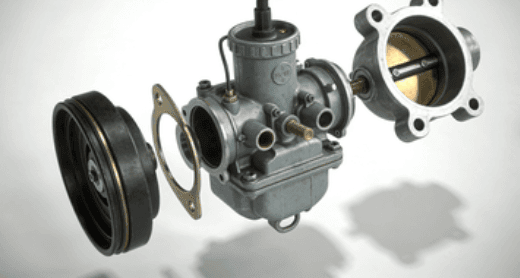
If your engine is acting up—hesitating, stalling, smoking, or refusing to start—most people immediately blame the fuel pump or spark plugs. But there’s a silent culprit that often gets overlooked: the carburetor. This small but critical device is responsible for the correct mixing of air and fuel, and even a minor malfunction can disrupt the entire engine’s performance. In this article, you’ll learn the top signs that your carburetor needs repair, how carburetors work, what causes failures, and how to diagnose and fix issues like a pro.
Key Takeaways (Blog Highlights)
- Understand what a carburetor is and how it works in fuel delivery
- Learn common symptoms that indicate carburetor issues
- Compare carburetor problems vs other engine issues
- Discover quick diagnostic steps and basic fixes
- Find practical guidance for choosing repair vs replacement
- Get answers to real user questions in the FAQ section
What Is a Carburetor and Why It Matters?
The Basic Function of a Carburetor
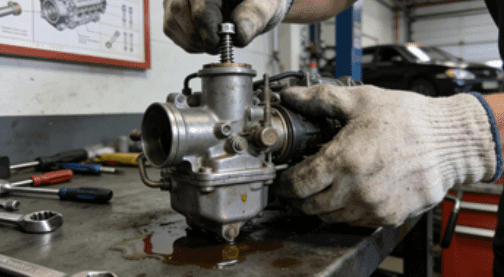
A carburetor is a mechanical device that mixes air and fuel in the correct ratio for combustion. It controls the engine’s power, efficiency, and emissions by adjusting this mixture as the engine runs.
Why Carburetors Still Exist
Even though modern vehicles often use fuel injection, carburetors remain common in older cars, motorcycles, lawn equipment, and small engines. They are simple, reliable, and easier to repair than electronic systems.
How Carburetors Impact Performance
A properly working carburetor provides stable performance, smooth acceleration, and efficient fuel use. When the carburetor fails, the engine often becomes unpredictable and inefficient.
How Carburetors Work (Simple Logic)
Airflow Creates Fuel Flow
When air moves through the carburetor’s venturi, it creates low pressure. This pressure pulls fuel from the bowl into the airflow, forming a fine mist that enters the engine.
Throttle Controls Power
The throttle valve regulates airflow. When you open the throttle, more air enters, fuel flow increases, and the engine produces more power.
Idle Circuit vs Main Circuit
Carburetors have multiple fuel circuits. The idle circuit works when the engine is at low RPM, while the main circuit takes over at higher speeds.
Choke System (Cold Start Support)
The choke temporarily reduces airflow during cold starts to increase fuel concentration. If the choke sticks, the engine may flood or stall.
Top Signs Your Carburetor Needs Repair
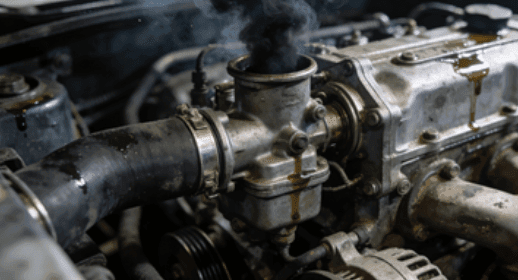
1. Engine Starts, Then Dies Quickly
If the engine starts but dies immediately, the carburetor may not be delivering enough fuel. This often happens when the idle circuit is blocked or the float is stuck.
2. Poor Acceleration or Hesitation
A common symptom is hesitation during acceleration. This usually means the carburetor is not supplying the right fuel mixture.
3. Black Smoke from Exhaust
Black smoke indicates a rich fuel mixture (too much fuel, not enough air). The carburetor may be flooding or the jets may be clogged.
4. Engine Runs Rough at Idle
A rough idle often points to dirty jets or incorrect idle settings. The engine may shake, stall, or vibrate.
5. Hard Starting in Cold Weather
If the engine struggles to start when cold, the choke system might be failing. A stuck choke can cause too much fuel in the mixture.
6. Fuel Smell Around the Engine
A strong fuel odor often indicates a leaking carburetor or overflowing float. This can be dangerous and should be addressed immediately.
7. Overheating or High Engine Temperature
A lean mixture (too much air, not enough fuel) can cause the engine to overheat. This is often due to clogged jets or vacuum leaks in the carburetor.
8. Backfiring Through the Carburetor
Backfiring is usually caused by an incorrect fuel mixture or timing issues. In carbureted engines, it often points to carburetor tuning problems.
Concept Comparison: Carburetor Issues vs Other Engine Problems
Carburetor vs Spark Plug Problems
- Carburetor issue: rough idle, black smoke, fuel smell
- Spark plug issue: misfire, weak power, engine hesitation without smoke
Carburetor vs Fuel Pump Problems
- Carburetor issue: uneven running, flooding, hard idle
- Fuel pump issue: engine won’t start, fuel pressure loss, sudden stalls
Carburetor vs Ignition System
- Carburetor issue: inconsistent fuel flow, flooding, rich/lean mix
- Ignition issue: no spark, weak spark, misfires, poor ignition timing
Carburetor Components and How They Fail
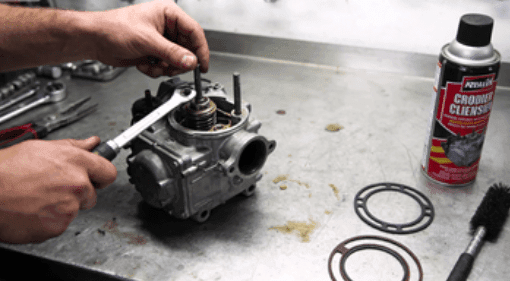
Main Jet and Idle Jet
The main jet controls fuel at high RPM, while the idle jet controls fuel at low RPM. If either becomes clogged, the engine will run poorly.
Float and Needle Valve
The float controls fuel level inside the carburetor bowl. A stuck float or worn needle valve can cause flooding or fuel starvation.
Venturi and Air Bleeds
Venturi creates low pressure that pulls fuel into the airflow. Dirty venturi or blocked air bleeds can reduce fuel flow and create a lean mixture.
Choke Plate and Linkage
The choke controls air intake during cold starts. A damaged choke plate can cause starting issues and excessive fuel consumption.
Why Carburetors Fail: Common Causes
Poor Fuel Quality
Contaminated or old fuel causes varnish and gum buildup inside the carburetor. This reduces fuel flow and clogs jets.
Water or Moisture in Fuel
Water causes corrosion and damage to metal parts, leading to malfunction.
Dirty Air Filter
A clogged air filter reduces airflow, causing a rich mixture and poor performance.
Mechanical Wear
Over time, gaskets, seals, and needles wear out. This causes leaks and unstable fuel flow.
Incorrect Tuning
Improper idle mixture, float level, or choke adjustment can lead to poor performance.
Real Diagnostic Steps (Professional Approach)
Step 1: Check Fuel Supply
Make sure fuel is clean and flowing freely. Remove the fuel line and check the flow rate.
Step 2: Inspect the Air Filter
A dirty filter reduces airflow and makes the engine run rich.
Step 3: Check Vacuum Lines
Vacuum leaks cause a lean mixture and unstable idle. Inspect hoses and gaskets for cracks.
Step 4: Perform a Fuel Pressure Test
Fuel pressure that is too low can mimic carburetor failure. Verify fuel pressure first.
Step 5: Conduct a Carburetor Cleaning
Clean the jets, bowl, and passages with carburetor cleaner and compressed air.
Carburetor Tuning: What You Should Know
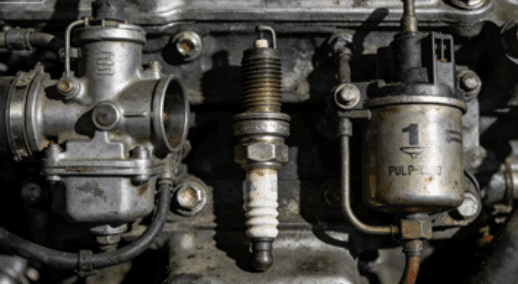
Idle Mixture Adjustment
The idle mixture screw controls the fuel/air ratio at idle. Turning it too far can cause rich or lean conditions.
Float Level Adjustment
Float height affects fuel level. Too high leads to flooding; too low causes fuel starvation.
Choke Calibration
A properly adjusted choke improves cold start performance without flooding the engine.
Table: Carburetor Symptoms vs Possible Causes
| Symptom | Possible Carburetor Cause | What to Do |
|---|---|---|
| Engine stalls at idle | Dirty idle jet or incorrect idle setting | Clean jet, adjust idle |
| Black exhaust smoke | Rich mixture or flooding | Check float level, clean jets |
| Poor acceleration | Clogged main jet or weak fuel flow | Clean main jet, inspect fuel line |
| Hard starting | Stuck choke or wrong mixture | Check choke mechanism, adjust mixture |
| Fuel smell | Overflowing float or leak | Inspect float, replace gaskets |
| Engine overheating | Lean mixture or vacuum leak | Check vacuum, clean jets |
Carburetor Repair vs Replacement (Decision Guide)
Repairing Makes Sense If:
- The carburetor is generally intact
- Only small parts are worn or dirty
- You want a cost-effective fix
Replacing Makes Sense If:
- The carburetor is severely damaged
- Internal parts are corroded or broken
- The engine performance is still poor after cleaning
Cost Comparison (Typical Range)
- Rebuild kit: $20–$80
- Professional rebuild: $100–$250
- New carburetor: $150–$500+
(Actual prices vary depending on model and brand)
When a Carburetor Repair Is Not Enough
Symptoms of Severe Damage
- Broken throttle shaft
- Corroded float bowl
- Warped carburetor body
- Cracked mounting flange
What Happens If You Ignore It
Ignoring carburetor issues can lead to:
- Increased fuel consumption
- Engine damage from lean conditions
- Catalytic converter failure (in older systems)
- Unsafe driving conditions due to stalling
Real User Questions (Google-Friendly, Conversational)
Why does my carburetor flood only when I start the engine?
This usually indicates a stuck float, a worn needle valve, or a dirty float seat.
Can I still drive if my carburetor is slightly clogged?
You may drive, but it will reduce engine efficiency and increase risk of stalling. It’s not recommended.
Why does my engine idle fine but stalls under load?
This often indicates a clogged main jet or fuel delivery problem in the main circuit.
Final Thoughts
Carburetors may seem old-fashioned in the age of fuel injection, but they remain essential in many engines and equipment. Understanding the top signs your carburetor needs repair can save you time, money, and frustration. The key is to act early—cleaning and tuning can restore performance, while ignoring symptoms can lead to costly engine damage.
FAQ
How do I know if my carburetor is clogged?
A clogged carburetor usually causes rough idling, poor acceleration, or the engine dying shortly after starting. Cleaning the jets often solves this issue.
Can I drive with a bad carburetor?
You can, but it’s not recommended. A failing carburetor can cause poor fuel efficiency, engine stalling, and even damage to other parts.
How often should a carburetor be cleaned?
For older engines, cleaning once every 6–12 months is common. However, if you use low-quality fuel or operate in dusty environments, you may need more frequent cleaning.
Does a carburetor affect fuel economy?
Yes. A poorly adjusted carburetor can cause a rich mixture, leading to high fuel consumption.
Is it worth rebuilding a carburetor?
If the carburetor is still structurally sound and only has worn parts, rebuilding is often a good option. It can restore performance at a lower cost than replacement.