We’re thrilled to have you here. Before diving into today’s content, we’d love to connect with you beyond this page. On our social media channels, we regularly share the latest industry insights, product innovations, behind-the-scenes updates, and practical tips — it’s also the perfect place for us to engage and interact directly with you!
Follow us on:
- Facebook: Linyang Huayang Machinery Co., Ltd.
Let’s grow, learn, and innovate together.
Table of Contents
Key Takeaways from This Article
- Comprehensive overview of carburetors and their role in small engines and farm machinery.
- Detailed exploration of main carburetor types used in motorcycles, small cars, and equipment such as lawnmowers, generators, and tractors.
- Comparison of carburetor designs, their advantages, and practical applications in agricultural machinery.
- Maintenance, tuning, and troubleshooting tips tailored for small engines.
- FAQ section covering common questions for Google-style and AI-assisted search queries.
- Data-driven analysis of fuel efficiency, engine performance, and practical use in small-displacement engines.
The Ultimate Guide to Understanding Carburetors

While modern vehicles often rely on fuel injection, carburetors remain essential for small engines, farm equipment, motorcycles, and vintage vehicles. For equipment like lawnmowers, mini-tractors, and generators, choosing the right carburetor can improve fuel efficiency by 5–15%, reduce maintenance costs, and enhance overall engine reliability.
Understanding carburetor types, their mechanisms, and proper tuning techniques is especially critical in agricultural settings, where reliability and ease of maintenance often outweigh cutting-edge performance.
What Are Carburetors and Why They Matter
The Role of a Carburetor in Farm Machinery
A carburetor is a device that precisely mixes fuel and air in the correct ratio before it enters the combustion chamber.
- Small engines, such as those in lawnmowers, mini-tractors, or water pumps, require a proper air-fuel ratio (AFR) around 14.7:1 for gasoline engines.
- Carburetors automatically adjust this ratio based on throttle input, engine speed, and load, ensuring smooth operation under varying conditions.
How Carburetors Affect Engine Performance
Carburetors directly impact:
- Power Output: Poorly adjusted carburetors can reduce engine efficiency by 10–20%.
- Fuel Efficiency: Correct tuning can save fuel and reduce operating costs.
- Emissions: Properly functioning carburetors lower CO and unburned hydrocarbon emissions, which is important even for small engines to comply with environmental standards.
How Carburetor Types Are Classified
For farm machinery and small engines, carburetors can be classified based on:
- Fuel Control Mechanism: Float-type, slide-type.
- Airflow Direction: Updraft, downdraft, side-draft.
- Application: Small engines, lawn and garden equipment, motorcycles, and racing engines.
Selecting the correct carburetor requires understanding these classifications and the operational requirements of your engine.
Common Carburetor Types Overview
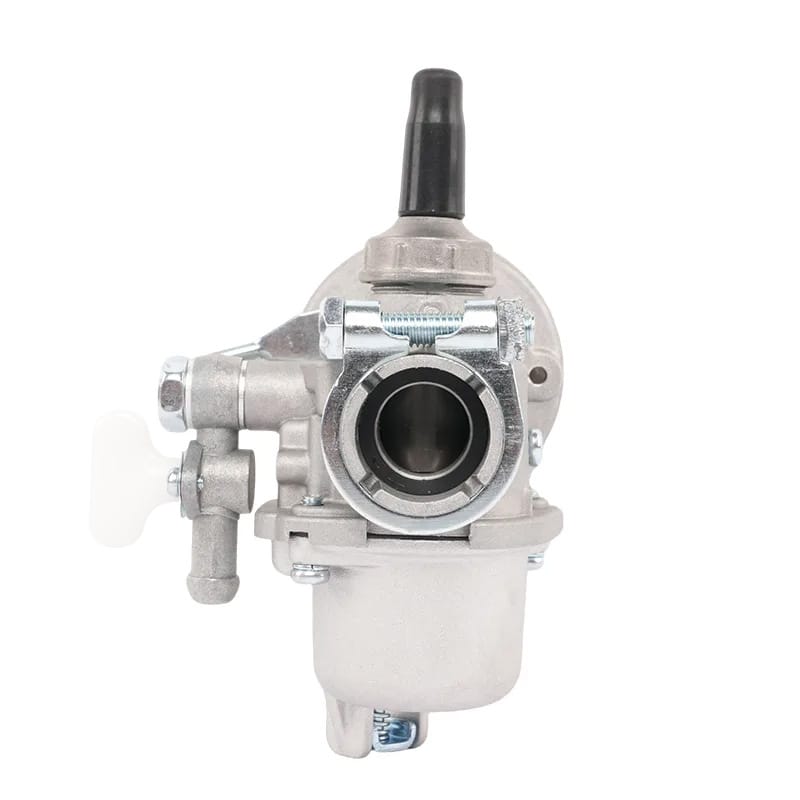
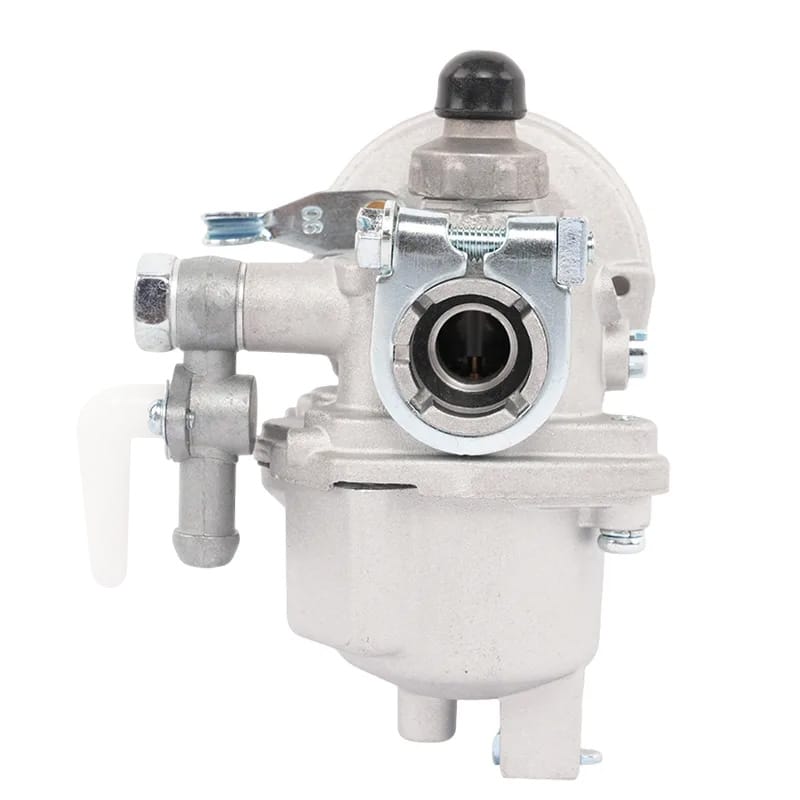
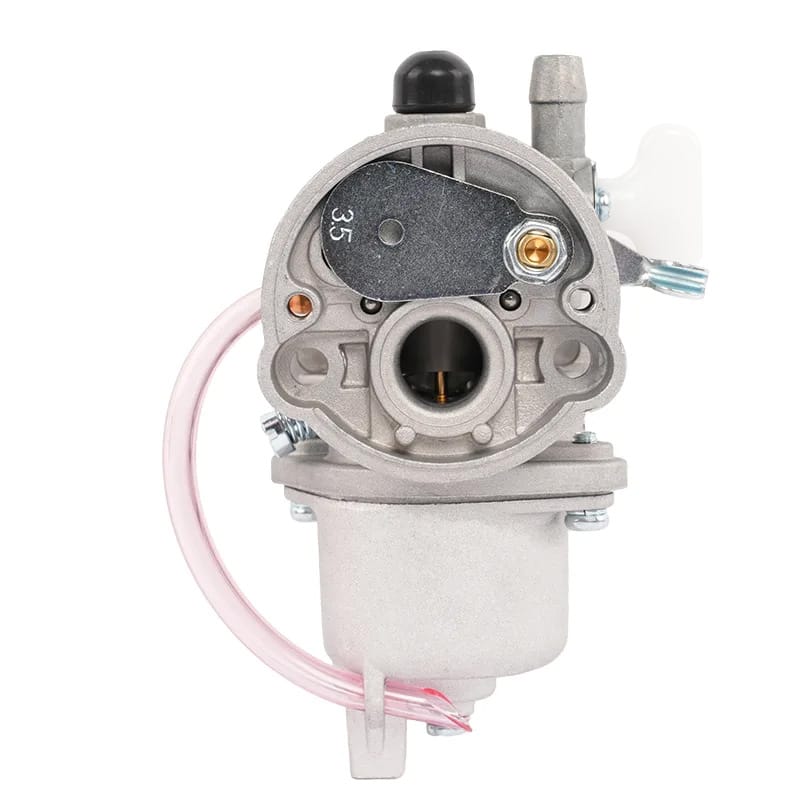
Carburetors are critical components in internal combustion engines, responsible for mixing the right amount of fuel with air to ensure efficient combustion. Over the decades, several carburetor designs have emerged, each tailored to specific engine types, performance requirements, and applications. Understanding these carburetor types is essential for mechanics, automotive enthusiasts, and engineers aiming to optimize engine performance. Below, we explore the most widely used carburetor designs in detail.
1. Float-Type Carburetor
The float-type carburetor is one of the most traditional and commonly used designs, especially in small engines, motorcycles, and older automobiles. Its enduring popularity stems from its simplicity and reliability, particularly in low-speed or intermittent operation engines.
How It Works
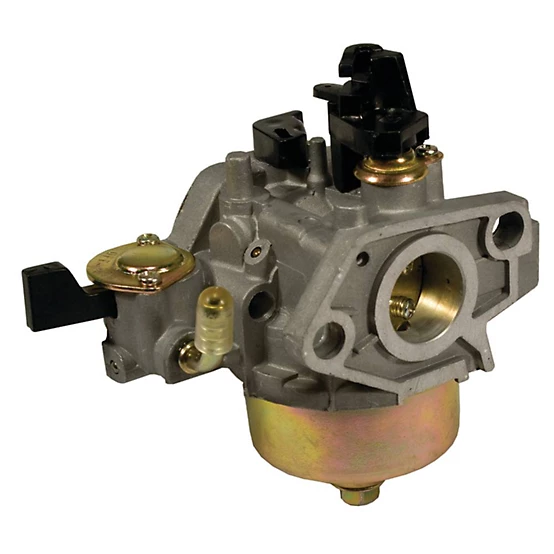
At the heart of the float-type carburetor is the fuel bowl, which stores gasoline before it is mixed with air. Inside this bowl, a float rises and falls according to the fuel level. This float is connected to a needle valve, which opens to allow fuel into the bowl when levels are low and closes when the desired level is reached. This mechanism ensures a consistent fuel supply to the engine, preventing flooding or fuel starvation.
The carburetor’s venturi, a narrowing in the airflow path, accelerates incoming air, creating a pressure drop that draws fuel from the bowl into the airstream. This air-fuel mixture is then delivered to the engine cylinders for combustion. Proper tuning of the float height and jet sizes is essential to maintain an optimal air-fuel ratio (AFR) of around 14.7:1 for gasoline engines.
Applications and Performance
Float-type carburetors are commonly used in engines up to 1.5 liters in displacement, such as motorcycles, scooters, lawn mowers, and vintage cars. When properly tuned, these carburetors can improve fuel efficiency by 5–10%, though the exact performance depends on engine load and operating conditions.
Advantages and Considerations
The main advantage of float-type carburetors is their simplicity. With few moving parts, they are easy to maintain and repair, making them ideal for DIY enthusiasts or regions where access to advanced fuel injection systems is limited. However, they require manual adjustment for optimal performance, and high-speed engine operation can expose their limitations in fuel delivery precision.
2. Slide-Type Carburetor
Slide-type carburetors are predominantly found in motorcycles and small performance engines where rapid throttle response is required. Unlike float-type carburetors, which rely mainly on gravity and fuel bowl design, slide carburetors incorporate a throttle slide that regulates both airflow and fuel delivery simultaneously.
How It Works
The throttle slide moves vertically within the carburetor barrel in response to the rider or driver’s input on the throttle. As the slide rises, it allows more air to pass through the venturi. Simultaneously, a linked needle adjusts the fuel flow, maintaining a proper air-fuel ratio throughout the throttle range. This integrated mechanism ensures that the mixture remains consistent, even under varying engine loads and speeds.
Advantages and Limitations
One of the primary advantages of slide-type carburetors is their immediate and smooth throttle response, making them ideal for performance motorcycles and racing applications. The precise fuel delivery improves acceleration and helps maintain engine efficiency at high RPMs.
However, slide carburetors are more mechanically complex than float-type models. They require precise tuning, and their durability under heavy-duty or continuous high-load conditions can be limited. In practical terms, racing bikes equipped with slide carburetors can achieve 20–30 millisecond improvements in throttle response, which is a significant performance advantage in competitive settings.
Applications
Slide-type carburetors are commonly used in:
- Sport motorcycles and racing bikes
- High-performance small cars
- Certain small displacement engines where throttle responsiveness is critical
3. Updraft, Downdraft, and Side-Draft Carburetors
While float-type and slide-type carburetors focus on the mechanism for fuel delivery, another important classification is based on the direction of airflow through the carburetor. These directional designs—updraft, downdraft, and side-draft—have distinct characteristics that affect engine efficiency, installation requirements, and performance.
Updraft Carburetor
In an updraft carburetor, air enters from below and flows upward into the engine. This design was common in vintage cars from the 1950s to 1970s. The upward airflow allows the carburetor to be positioned lower in the engine bay, which can be advantageous in certain packaging layouts.
Updraft carburetors are relatively simple to service and maintain, making them ideal for classic car restorations. However, they are less efficient at high engine speeds due to increased fuel evaporation and potential for fuel condensation in the intake path, which can reduce the effective air-fuel mixture delivered to the engine.
Downdraft Carburetor
Downdraft carburetors have air entering from above, flowing downward into the intake manifold. This configuration is prevalent in modern carbureted cars because gravity assists fuel delivery directly into the combustion chamber, improving high-speed performance and overall efficiency.
The main advantage of downdraft carburetors is that they support better combustion at higher RPMs, making them suitable for everyday vehicles and light trucks. On the downside, they have more components, require careful tuning, and are slightly more complex to maintain than updraft models.
Side-Draft Carburetor
Side-draft carburetors feature horizontal airflow through the carburetor body. This design is particularly popular in racing and high-performance sports cars, where minimizing intake path resistance is critical. By allowing air to flow straight into the intake manifold with minimal directional change, side-draft carburetors improve throttle response and top-end power.
The challenges with side-draft carburetors include higher cost, more precise tuning requirements, and a more complex installation process compared to updraft or downdraft designs. They are less suitable for everyday vehicles but excel in track-oriented applications where performance is the priority.
Conceptual Comparison of Carburetor Types
Table: Carburetor Types, Applications, and Efficiency
| Carburetor Type | Best For | Pros | Cons | Avg. Fuel Efficiency Gain |
|---|---|---|---|---|
| Float-Type | Small engines, motorcycles | Simple, easy to maintain | Manual tuning required | 5–10% |
| Slide-Type | Motorcycles, performance bikes | Responsive throttle control | Complex, limited heavy-duty use | 6–12% |
| Updraft | Vintage cars | Easy airflow | Less efficient at high speeds | 3–7% |
| Downdraft | Modern cars | Efficient, high-speed capable | Complex, more parts | 7–12% |
| Side-Draft | Racing cars | High performance | Expensive, hard to tune | 10–15% |
Advanced Carburetor Concepts
As engines evolved, standard single-barrel carburetors were often insufficient to meet the demands of high-performance or high-displacement engines. Advanced carburetor designs address these challenges, offering more precise fuel delivery, improved throttle response, and enhanced engine efficiency across a wide range of conditions.
Multi-Barrel Carburetors
Multi-barrel carburetors incorporate two or more barrels to supply a greater volume of air-fuel mixture to the engine. This design is particularly common in larger engines, such as V8s, where a single barrel cannot provide sufficient fuel and airflow at high RPMs. For example, a four-barrel carburetor allows each barrel to serve a portion of the engine’s cylinders, improving mixture distribution and engine breathing.
The primary advantage of multi-barrel carburetors is increased power output and performance at high engine speeds. By providing a richer mixture when needed and maintaining an optimal ratio during cruising, these carburetors enhance acceleration while preserving fuel efficiency. However, they require careful tuning to ensure all barrels operate in harmony; uneven operation can lead to rough idling or inconsistent performance.
Constant Velocity (CV) Carburetors
Constant Velocity (CV) carburetors utilize a vacuum-operated piston to control the slide movement, automatically adjusting the throttle opening based on engine demand. This system allows the engine to maintain a consistent air-fuel ratio across varying loads and speeds, providing smooth throttle response under changing conditions.
CV carburetors are especially popular in motorcycles and small cars, where stable performance and fuel efficiency are essential. By automatically compensating for throttle variations, these carburetors reduce the risk of engine hesitation or overly rich mixtures, making them ideal for daily use and urban driving.
Dual Carburetor Setups
Dual carburetor systems employ two separate carburetors working together to feed a single engine. This setup is common in high-performance sports cars and classic performance vehicles, where maximizing airflow and mixture distribution is critical.
While dual carburetors can significantly improve top-end power and throttle responsiveness, they introduce additional complexity. Each carburetor must be synchronized to ensure even air-fuel delivery across all cylinders. Improper synchronization can result in uneven combustion, misfires, and decreased engine longevity, emphasizing the importance of precise tuning and regular maintenance.
Maintenance and Tuning Tips for Carburetor Types
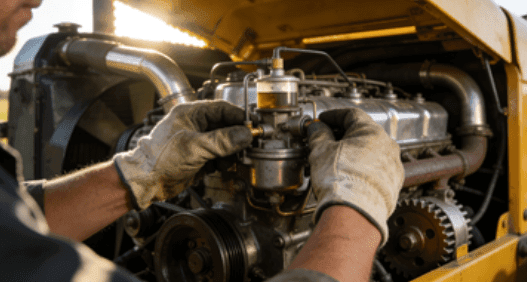
Proper maintenance and tuning of carburetors are essential for ensuring reliable performance, fuel efficiency, and engine longevity in small engines used in farm equipment such as lawnmowers, mini-tractors, and generators. Neglecting carburetor upkeep can lead to poor throttle response, increased fuel consumption, or engine damage.
1. Regular Cleaning
Carburetors accumulate dirt, varnish, and fuel deposits over time, which can clog jets and restrict fuel flow. This is especially common in small engines running on gasoline with ethanol blends or in dusty farm environments.
Recommended Practices:
- Frequency: Clean the carburetor at least every 6–12 months, or sooner if the engine shows rough idling or hesitation.
- Cleaning Steps:
- Remove the carburetor from the engine.
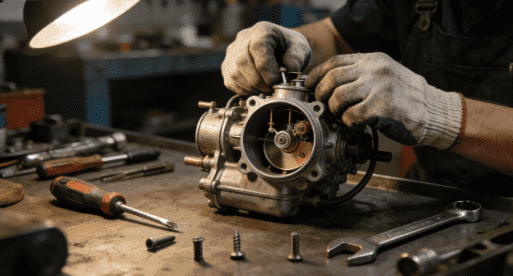
- Disassemble carefully, keeping track of small parts such as jets and floats.
- Use a carburetor cleaner or ultrasonic cleaner to remove varnish and deposits.
- Inspect gaskets and replace if worn or damaged.
- Reassemble and reinstall, ensuring all screws and connections are secure.
Tip: For small engines used seasonally, cleaning before and after each season can prevent fuel-related problems.
2. Tuning for Smooth Operation
Correct tuning ensures the engine runs efficiently at idle, under load, and at higher RPMs.
Key Adjustments:
- Idle Mixture Screw: Controls the fuel-to-air ratio at low engine speeds. Turn slowly until the engine runs smoothly without sputtering.
- Float Height: Ensures the fuel bowl supplies the correct amount of fuel to the jets. Incorrect float height can cause flooding (too high) or fuel starvation (too low).
- Throttle Response: For slide-type or CV carburetors, check that the throttle opens smoothly without sticking.
- Choke Adjustment: Ensure the choke engages fully during cold starts but opens as the engine warms to prevent overly rich mixtures.
Tip: Small engines on farm equipment often operate under varying loads—mowing thick grass, pulling attachments, or running stationary pumps—so tuning should prioritize stable operation under load rather than peak RPM.
3. Common Troubleshooting
Even with proper maintenance, small engine carburetors can develop issues. Understanding symptoms helps pinpoint problems quickly:
- Engine Hesitation or Stalling: Often caused by clogged jets, partially blocked fuel passages, or old gasoline. Cleaning the carburetor and inspecting jets usually resolves the issue.
- Black Smoke from Exhaust: Indicates a too rich fuel mixture, where excess gasoline is burning in the combustion chamber. Adjust the idle mixture or check for a stuck choke.
- Backfiring or Popping: May be caused by a lean mixture, air leaks at the intake manifold, or incorrect timing. Check gaskets, air filters, and fuel lines.
- Difficulty Starting Cold: Could be related to choke malfunction or fuel delivery problems. Inspect the choke mechanism and ensure clean fuel supply.
Tip: Keep a small carburetor cleaning kit and spare gaskets on hand during peak mowing or harvesting season for quick fixes in the field.
4. Fuel Efficiency Across Carburetor Types in Small Engines
The type of carburetor directly affects fuel consumption and engine efficiency in farm equipment:
- Float-Type Carburetors: Most common in lawnmowers, mini-tractors, and generators. Fuel consumption typically ranges 6–8 L/100km, depending on engine size and load. They offer reliability but require regular cleaning and tuning.
- Slide-Type Carburetors: Found in higher-performance small engines. Fuel use is slightly lower at 5.5–7.5 L/100km due to precise throttle response, making them suitable for engines performing variable tasks.
- Downdraft Engines: Common in modern small tractors and garden machinery. The design can save 0.5–1 L/100km in typical farm usage, as gravity assists fuel flow and improves combustion efficiency.
- Side-Draft Racing Engines: Rare in agricultural machinery, but for racing or high-performance mini-tractors, they increase top-end power by 10–15%, though fuel economy is less critical.
Note: Real-world efficiency depends on factors like engine size, load, terrain, and type of task performed (e.g., mowing, hauling, or running stationary equipment). Regular maintenance and proper tuning often provide as much improvement as upgrading to a more advanced carburetor.
FAQ
What is the easiest carburetor type to maintain?
Float-type carburetors are simple, reliable, and perfect for beginners or small engines.
Can I replace a downdraft carburetor with a side-draft carburetor?
Yes, but engine tuning, intake manifold modification, and fuel delivery adjustments are required.
Why do modern cars still use carburetors in some regions?
They are cheaper and simpler than fuel injection systems, making them ideal for low-cost or developing markets.
How do I identify which carburetor type my engine has?
Check the engine manual or inspect airflow direction. Updraft, downdraft, and side-draft carburetors are visually distinguishable.
Are carburetors still relevant in 2026?
Yes, especially in motorcycles, small engines, vintage cars, and some economical vehicles.
How often should I tune a carburetor for optimal performance?
- Small engines: every 6–12 months.
- High-performance bikes or racing engines: before every track session.
- Cars with daily use: annually or every 10,000–15,000 km.
Can carburetors affect emissions?
Yes, improper tuning can increase CO, NOx, and unburned hydrocarbons. Correct carburetor selection and maintenance improve compliance with emission standards.
Conclusion
Understanding carburetor types is essential for anyone looking to optimize engine performance, fuel efficiency, and reliability.
From float-type carburetors for small engines to side-draft carburetors for racing vehicles, each design serves a unique purpose. Choosing the right carburetor involves analyzing engine needs, desired performance, maintenance ability, and budget.
Investing time in learning about carburetor types, proper tuning, and maintenance ensures engines run smoother, last longer, and deliver better fuel economy.
Whether you’re restoring a classic car, upgrading a motorcycle, or maintaining a generator, this guide provides the knowledge needed to make informed carburetor decisions.