We’re thrilled to have you here. Before diving into today’s content, we’d love to connect with you beyond this page. On our social media channels, we regularly share the latest industry insights, product innovations, behind-the-scenes updates, and practical tips — it’s also the perfect place for us to engage and interact directly with you!
Follow us on:
- Facebook: Linyang Huayang Machinery Co., Ltd.
Let’s grow, learn, and innovate together
Table of Contents
Key Takeaways
- The Honda GX240 carburetor plays a critical role in engine fuel delivery and performance.
- Common carburetor problems include hard starting, fuel leakage, rough idling, and power loss.
- Dirty fuel, clogged jets, and poor maintenance are major causes of carburetor failure.
- Regular cleaning and proper fuel management can significantly extend carburetor lifespan.
- OEM and aftermarket carburetors each have different advantages depending on budget and application.
- Understanding carburetor symptoms helps users diagnose engine problems faster.
Introduction
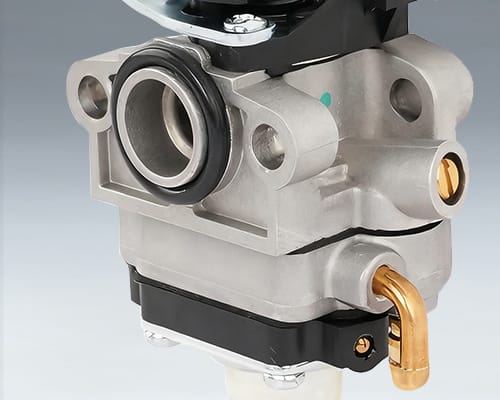
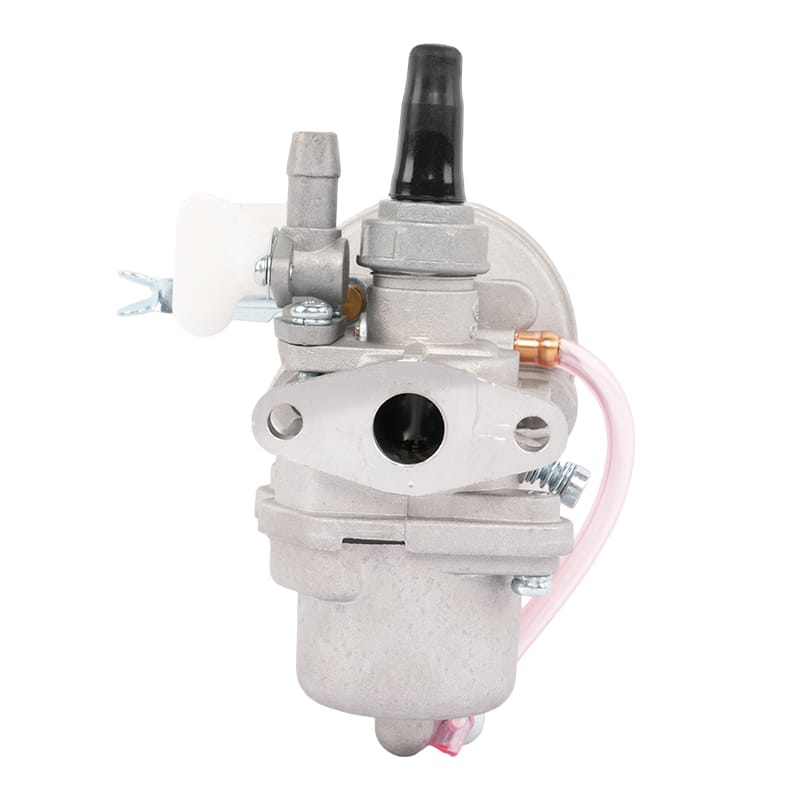
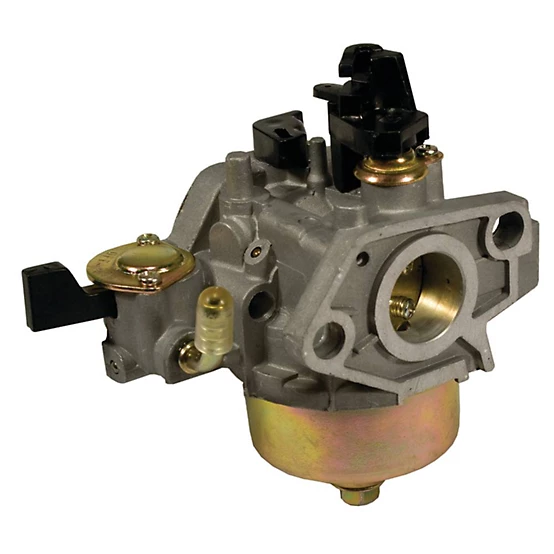
The Honda GX240 carburetor is one of the most important components in the GX240 engine system. Widely used in generators, water pumps, pressure washers, construction equipment, agricultural machinery, and industrial applications, the Honda GX240 engine is known for reliability and stable performance. However, like all fuel system components, the carburetor can develop issues over time due to fuel contamination, wear, improper maintenance, or environmental conditions.
Many users experience common symptoms such as engine starting difficulties, unstable idle speed, excessive fuel consumption, black smoke, fuel leaks, or sudden engine shutdowns. In most cases, these problems are directly related to carburetor performance.
Understanding how the Honda GX240 carburetor works and recognizing common failure signs can help operators reduce downtime, improve fuel efficiency, and avoid expensive engine repairs. This guide explains the most common Honda GX240 carburetor problems, troubleshooting methods, maintenance practices, replacement options, and preventive solutions.
What Is a Honda GX240 Carburetor?
The carburetor is the fuel-air mixing device responsible for supplying the correct fuel mixture to the engine combustion chamber.
Main Function of the Carburetor
The Honda GX240 carburetor controls:
- Fuel delivery
- Airflow regulation
- Air-fuel mixture ratio
- Engine throttle response
A properly functioning carburetor ensures:
- Smooth engine startup
- Stable idle operation
- Efficient fuel consumption
- Reliable engine performance
Main Components of a Honda GX240 Carburetor
Float Chamber
Stores fuel temporarily before delivery into the engine.
Main Jet
Controls fuel flow during normal engine operation.
Idle Jet
Supplies fuel while the engine operates at low speed or idle.
Throttle Valve
Regulates engine speed by controlling airflow.
Choke Valve
Helps cold engine starting by restricting airflow and enriching the fuel mixture.
Common Honda GX240 Carburetor Problems
Hard Starting Issues
One of the most common Honda GX240 carburetor problems is difficulty starting the engine.
Possible Causes
- Clogged pilot jet
- Dirty carburetor passages
- Old gasoline
- Stuck float valve
- Improper choke operation
Typical Symptoms
- Engine cranks but will not start
- Repeated pulling required
- Cold starts become difficult
Engine Runs Rough at Idle
Unstable idle speed often indicates fuel delivery imbalance.
Common Reasons
- Dirty idle jet
- Vacuum leaks
- Improper carburetor adjustment
- Carbon buildup
Signs to Watch For
- Engine shaking
- Irregular RPM
- Sudden stalling
Fuel Leakage Problems
Fuel leaks are serious issues that require immediate attention.
Common Leak Locations
- Float bowl gasket
- Fuel inlet connection
- Overflow tube
- Needle valve area
Causes of Fuel Leakage
- Damaged seals
- Worn float needle
- Excess fuel pressure
- Cracked carburetor body
Black Smoke from Exhaust
Black smoke usually indicates excessive fuel entering the combustion chamber.
Common Causes
- Choke stuck closed
- Dirty air filter
- Rich fuel mixture
- Oversized jet installation
Engine Power Loss
A weak or underpowered engine often points to restricted fuel flow.
Possible Carburetor Issues
- Partially clogged main jet
- Fuel contamination
- Restricted fuel filter
- Air intake blockage
Honda GX240 Carburetor Problem Symptoms Table
| Symptom | Possible Cause | Recommended Solution |
|---|---|---|
| Hard starting | Dirty pilot jet | Clean carburetor |
| Rough idle | Idle jet blockage | Adjust or clean jet |
| Fuel leakage | Damaged float valve | Replace float needle |
| Black smoke | Rich fuel mixture | Check air filter |
| Engine stalling | Fuel restriction | Inspect fuel line |
| Poor acceleration | Main jet clogging | Deep carb cleaning |
| High fuel consumption | Incorrect adjustment | Reset carburetor |
Why Honda GX240 Carburetor Problems Happen
Poor Fuel Quality
Low-quality gasoline often contains contaminants and moisture that clog internal carburetor passages.
Ethanol Fuel Damage
Ethanol-blended fuels may:
- Attract moisture
- Corrode metal parts
- Damage rubber seals
- Create varnish buildup
Long-Term Fuel Storage
Fuel left inside the carburetor for extended periods can harden and block fuel channels.
Infrequent Maintenance
Ignoring routine cleaning allows:
- Dirt accumulation
- Carbon deposits
- Fuel residue buildup
How to Diagnose Honda GX240 Carburetor Problems
Visual Inspection
Start by checking:
- Fuel leakage
- Damaged hoses
- Loose clamps
- Dirt accumulation
Fuel Flow Test
Verify that fuel flows smoothly from the fuel tank into the carburetor.
Spark Plug Inspection
The spark plug condition helps identify fuel mixture problems.
Black Spark Plug
Usually indicates rich fuel conditions.
White Spark Plug
May indicate lean fuel mixture or airflow issues.
Engine Sound Observation
Different sounds often indicate different carburetor problems.
| Engine Behavior | Possible Issue |
|---|---|
| Surging RPM | Lean fuel mixture |
| Heavy smoke | Excess fuel |
| Backfiring | Incorrect fuel-air ratio |
| Sudden shutdown | Fuel starvation |
Honda GX240 Carburetor Cleaning Process
Remove the Carburetor Safely
Disconnect:
- Fuel line
- Air filter assembly
- Throttle linkage
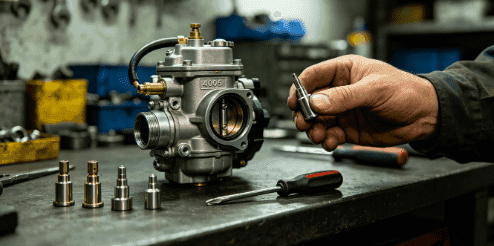
Disassemble Carefully
Separate:
- Float bowl
- Jets
- Float valve
- Gaskets
Use Carburetor Cleaner
Spray all internal passages thoroughly to remove:
- Fuel varnish
- Dirt
- Carbon deposits
Inspect Jets and Passages
Blocked jets are among the most common causes of poor engine performance.
Reassemble Correctly
Ensure:
- Proper gasket alignment
- Secure screws
- Correct float height
Preventive Maintenance Tips
Use Fresh Fuel
Fresh gasoline reduces fuel system contamination.
Drain Fuel During Storage
If equipment will not be used for several months:
- Drain the carburetor
- Empty fuel lines
- Store equipment dry
Replace Air Filters Regularly
Dirty air filters affect fuel-air balance and carburetor performance.
Clean the Carburetor Periodically
Routine cleaning prevents major fuel system problems.
OEM vs Aftermarket Honda GX240 Carburetor
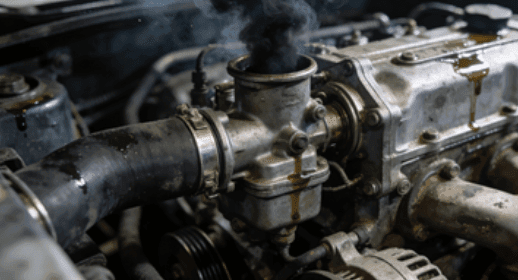
OEM Carburetors
OEM components are produced according to original manufacturer specifications.
Advantages
- Reliable compatibility
- Stable performance
- Longer lifespan
Disadvantages
- Higher cost
Aftermarket Carburetors
Third-party carburetors are widely available at lower prices.
Advantages
- Affordable pricing
- Easy availability
- Wide variety
Disadvantages
- Quality differences
- Possible fitment issues
- Shorter durability
Comparison Table: OEM vs Aftermarket Carburetors
| Feature | OEM Carburetor | Aftermarket Carburetor |
|---|---|---|
| Price | Higher | Lower |
| Quality Stability | Excellent | Variable |
| Compatibility | Precise | May vary |
| Durability | Long-lasting | Moderate |
| Warranty Support | Better | Limited |
Signs You Need a New Honda GX240 Carburetor
Severe Corrosion
Corroded internal passages may become impossible to clean completely.
Cracked Carburetor Body
Physical damage can cause:
- Fuel leakage
- Air leaks
- Unstable engine performance
Repeated Fuel Problems
If cleaning no longer restores performance, replacement may be necessary.
Excessive Wear
Worn throttle shafts and float valves reduce fuel delivery precision.
Best Applications for Honda GX240 Engines
The Honda GX240 engine is commonly used in:
- Water pumps
- Generators
- Construction machinery
- Pressure washers
- Agricultural equipment
- Industrial machinery
Stable carburetor performance is essential for maintaining productivity in these applications.
How Proper Carburetor Maintenance Improves Engine Life
A clean and properly adjusted carburetor helps:
- Reduce carbon buildup
- Improve combustion efficiency
- Lower fuel consumption
- Prevent engine overheating
- Extend engine lifespan
Preventive maintenance is usually far less expensive than major engine repairs.
Conclusion
The Honda GX240 carburetor is essential for maintaining reliable engine performance across generators, pumps, industrial equipment, and construction machinery. Common carburetor problems such as hard starting, rough idling, fuel leakage, and poor acceleration are often linked to fuel contamination, clogged jets, or inadequate maintenance.
Understanding how the carburetor works, recognizing early warning signs, and performing regular maintenance can significantly improve engine efficiency and reduce repair costs. Whether choosing OEM replacements or aftermarket options, proper carburetor care remains one of the most effective ways to extend the service life of Honda GX240 engines and maintain consistent equipment performance.
FAQ
Why does my Honda GX240 engine keep stalling?
Stalling is often caused by clogged jets, restricted fuel flow, or improper air-fuel mixture settings.
How often should I clean a Honda GX240 carburetor?
For regular use, carburetor cleaning every 6 to 12 months is recommended depending on operating conditions.
Can bad gasoline damage the carburetor?
Yes. Old or contaminated fuel can create varnish deposits and clog internal carburetor passages.
Why is fuel leaking from my Honda GX240 carburetor?
Fuel leakage is commonly caused by damaged float valves, worn gaskets, or excessive fuel pressure.
Should I choose OEM or aftermarket carburetors?
OEM carburetors provide better reliability and compatibility, while aftermarket options may offer lower costs.
What causes black smoke from a Honda GX240 engine?
Black smoke usually indicates a rich fuel mixture caused by carburetor imbalance or restricted airflow.
Can I clean the carburetor without removing it?
Basic cleaning may help temporarily, but complete cleaning usually requires carburetor removal and disassembly.