We’re thrilled to have you here. Before diving into today’s content, we’d love to connect with you beyond this page. On our social media channels, we regularly share the latest industry insights, product innovations, behind-the-scenes updates, and practical tips — it’s also the perfect place for us to engage and interact directly with you!
Follow us on:
- Facebook: Linyang Huayang Machinery Co., Ltd.
Let’s grow, learn, and innovate together
Table of Contents
Why GX35 Carburetor Selection Matters More Than Ever in 2026
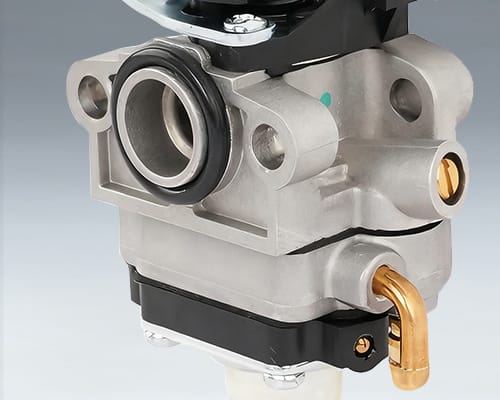
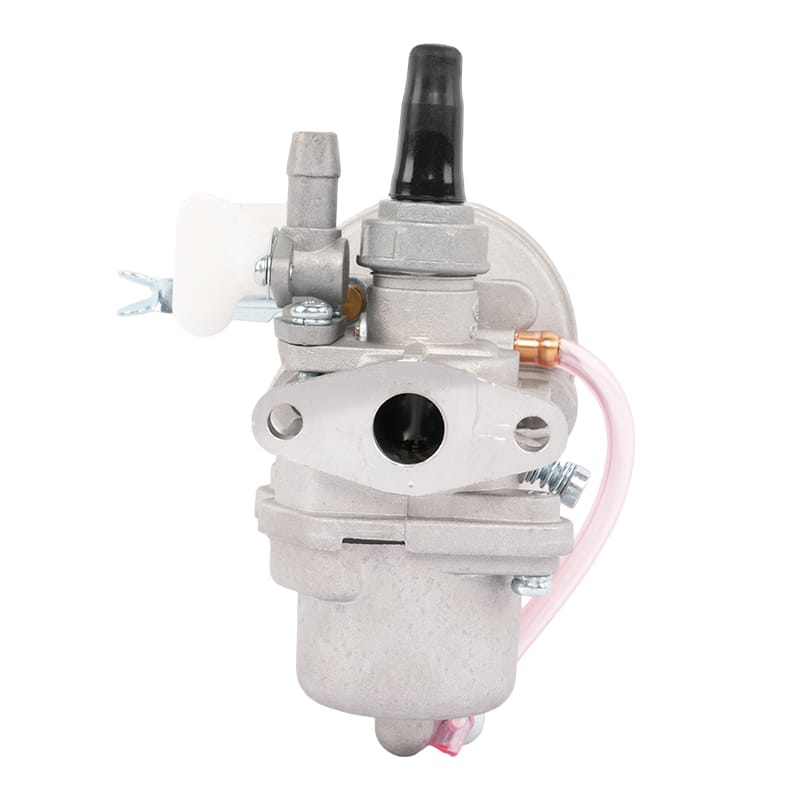
In 2026, small-engine equipment is facing stricter emission expectations, higher fuel efficiency requirements, and stronger durability demands across landscaping, agriculture, and light industrial applications. The GX35 carburetor is no longer a simple replacement part—it is a core performance control component that directly determines engine stability and operational cost efficiency.
Modern buyers evaluate not only compatibility, but also fuel consumption per hour, emission stability under load, cold-start reliability, diaphragm lifespan, and long-term maintenance cost. Industry benchmarking data shows that inefficient or worn carburetors can contribute to 18%–32% engine performance loss in GX35-class small engines.
This guide provides a structured, engineering-based approach to selecting, evaluating, and maintaining a GX35 carburetor in 2026.
Key Takeaways of GX35 Carburetor Buying Guide 2026
- GX35 carburetor performance directly influences fuel efficiency, emissions, and engine lifespan
- Internal jet precision and material quality determine long-term stability
- Adjustable carburetors provide superior tuning flexibility compared to standard models
- OEM-grade units deliver the highest consistency under continuous operation
- Proper maintenance can extend service life by up to 40–60%
- Selection should always match application scenario, not just budget
GX35 Carburetor System Architecture Explained (Engineering View)
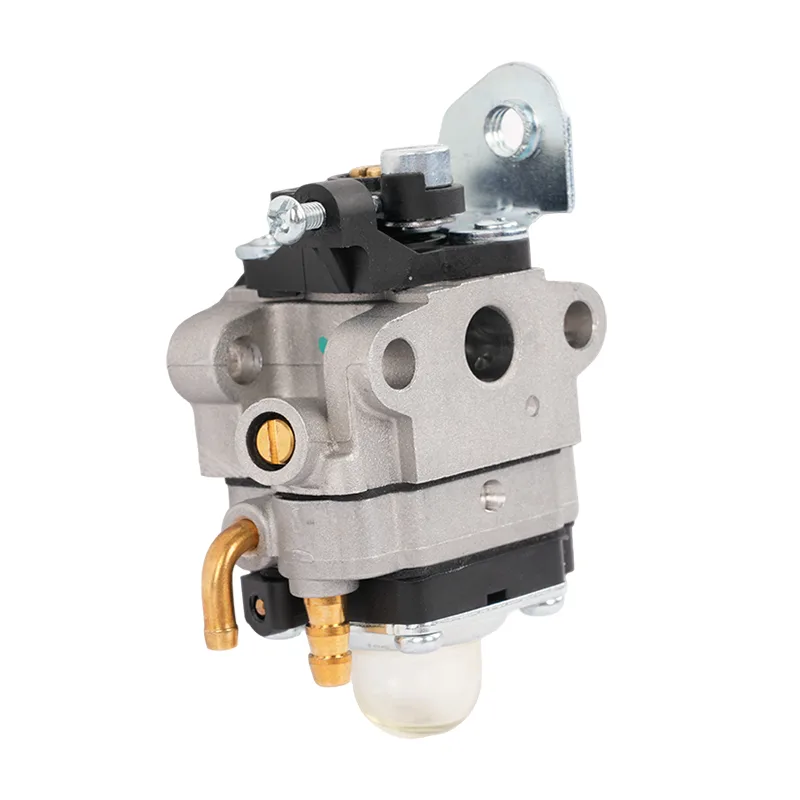
Fuel-Air Mixing Mechanism in GX35 Carburetor
The GX35 carburetor operates using a pressure differential system that precisely regulates fuel delivery through airflow dynamics. Air enters the venturi section, pressure drops at the throat, and fuel is drawn through metering jets into the airstream before entering the combustion chamber.
A properly functioning system maintains an air-fuel ratio close to the stoichiometric value of 14.7:1, which is essential for stable combustion, reduced emissions, and efficient power output.
GX35 Carburetor Internal Components Breakdown
Main Metering Jet
Controls fuel delivery under high-load conditions. Its diameter precision directly affects engine power consistency.
Idle Circuit System
Maintains stable combustion when the engine is running without load. It prevents stalling and uneven idle behavior.
Diaphragm Pump Assembly
Uses engine pulse pressure to regulate fuel suction. It is critical for consistent fuel supply in variable load conditions.
Inlet Needle Valve
Controls fuel inflow and prevents overflow. Wear in this component is a leading cause of flooding issues.
GX35 Carburetor Technical Standards (Industry Reference Data)
Emission Compliance Benchmark
Modern GX35 carburetors are designed to align with:
- EPA Phase III small engine emission standards
- CARB regulatory requirements in California
- Carbon monoxide emission control below approximately 610 g/kWh under standard load conditions
These standards directly influence carburetor jet calibration and airflow design.
Fuel Efficiency Benchmark Data
| Condition | Fuel Consumption Rate | Performance Impact |
|---|---|---|
| Properly tuned GX35 carburetor | 0.8–1.1 L/hour | Stable and optimized output |
| Slightly misadjusted carburetor | 1.2–1.5 L/hour | 10%–18% efficiency loss |
| Worn or clogged carburetor | 1.6+ L/hour | 25%+ performance degradation |
GX35 Carburetor Buying Guide 2026: Deep Selection Framework
Application-Based Selection Strategy
Residential Equipment Use
Used in occasional trimming or light gardening tasks. Standard GX35 carburetors are sufficient due to low operational demand and intermittent usage patterns.
Commercial Landscaping Operations
Requires continuous runtime with stable throttle response. Adjustable GX35 carburetors are preferred for improved efficiency and operational control.
Industrial or Heavy-Duty Usage
Demands high durability and long service cycles. OEM-grade carburetors are recommended for maximum reliability and minimal downtime.
Material Engineering Considerations
Aluminum Alloy Housing Structure
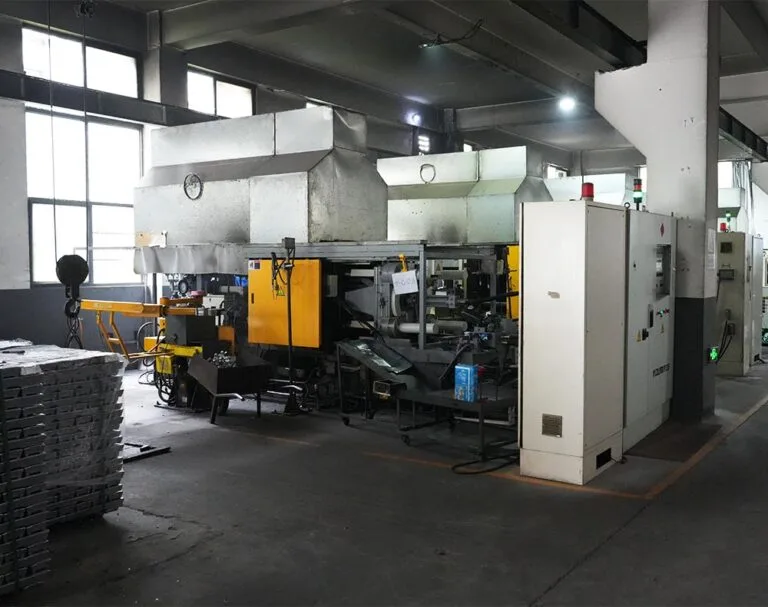
Most GX35 carburetors are manufactured using ADC12 aluminum alloy, offering thermal resistance up to approximately 250°C and strong corrosion resistance under ethanol-blended fuels.
Seal and Diaphragm Materials
Modern designs use:
- NBR rubber for standard fuel resistance
- FKM (Viton) materials in premium models for enhanced chemical and heat resistance
GX35 Carburetor Performance Comparison (Technical Overview)
| Feature | Standard Carburetor | Adjustable Carburetor | OEM Carburetor |
|---|---|---|---|
| Air-fuel precision | Medium | High | Very high |
| Fuel efficiency | Moderate | High | Optimized |
| Durability | 6–12 months | 12–24 months | 24–36 months |
| Tuning capability | None | Fully adjustable | Factory calibrated |
| Maintenance frequency | Medium | Medium | Low |
| Application suitability | Home use | Commercial use | Industrial use |
GX35 Carburetor Installation Standards (Professional Practice)
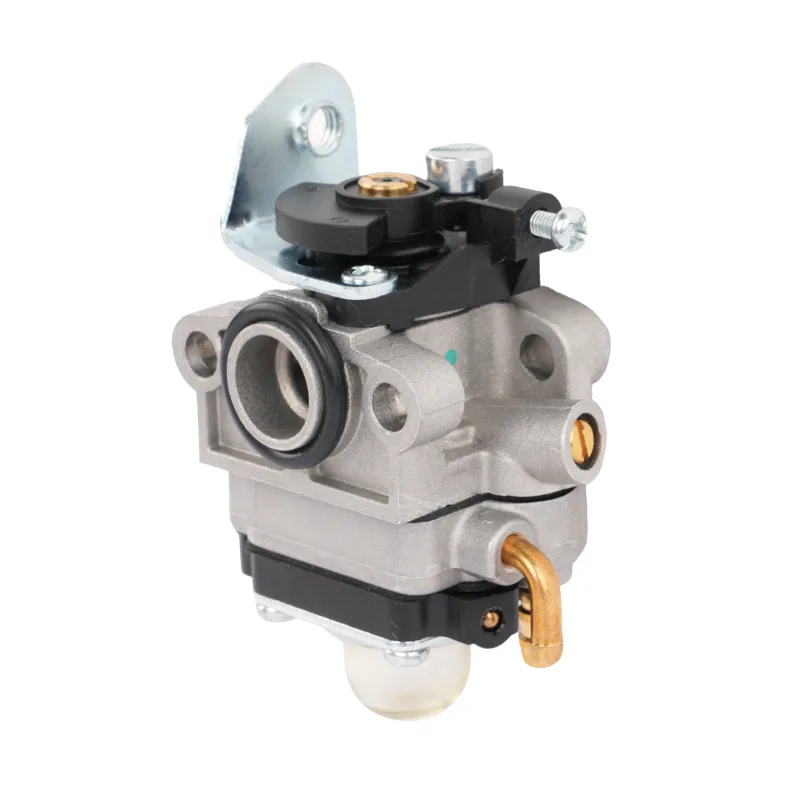
Installation Preparation Requirements
Before installation, ensure:
- Intake manifold is free of carbon deposits
- Gaskets are replaced if compressed or hardened
- Fuel lines are inspected for micro-cracks or leakage risks
Torque and Assembly Control
Industry-recommended torque values:
- Mounting bolts: 3.5–5.0 N·m
- Fuel line clamps: firm secure fit without over-compression
Improper torque application is responsible for a significant percentage of carburetor leakage failures in field equipment.
GX35 Carburetor Tuning Optimization System
Idle Speed Adjustment Concept
Idle speed is typically maintained between 2,800–3,200 RPM depending on engine condition and load configuration. Incorrect idle settings can lead to stalling, excessive fuel consumption, or carbon buildup.
Air-Fuel Mixture Calibration
A lean mixture improves fuel economy but may cause overheating, while a rich mixture increases power but leads to smoke emissions and fuel waste. Proper tuning balances both factors based on operating conditions.
High-Speed Performance Adjustment
High-speed calibration ensures stable engine output under full load. It directly affects cutting efficiency, torque consistency, and long-duration stability.
GX35 Carburetor Failure Modes and Diagnostic Framework
Hard Starting Condition
Common causes include clogged idle jets, diaphragm stiffness, or fuel vapor lock due to poor fuel quality.
Fuel Overflow Issue
Typically caused by worn needle valves, float imbalance, or diaphragm pressure failure.
Engine Surging Problem
Often linked to air leakage, inconsistent fuel delivery, or internal contamination.
GX35 Carburetor Maintenance Strategy for Long-Term Stability
Maintenance Frequency Guidelines
| Usage Level | Cleaning Interval | Full Service Interval |
|---|---|---|
| Light usage | 12 months | 24 months |
| Medium usage | 6–8 months | 12–18 months |
| Heavy usage | 3–4 months | 6–12 months |
Professional Cleaning Process Concept
Disassembly should be performed carefully to avoid diaphragm damage. Ultrasonic cleaning at 40–60 kHz is widely used in professional maintenance environments to remove internal carbon deposits without damaging precision components. After cleaning, low-pressure compressed air is used for drying.
GX35 Carburetor Field Case Study (Commercial Landscaping Fleet)
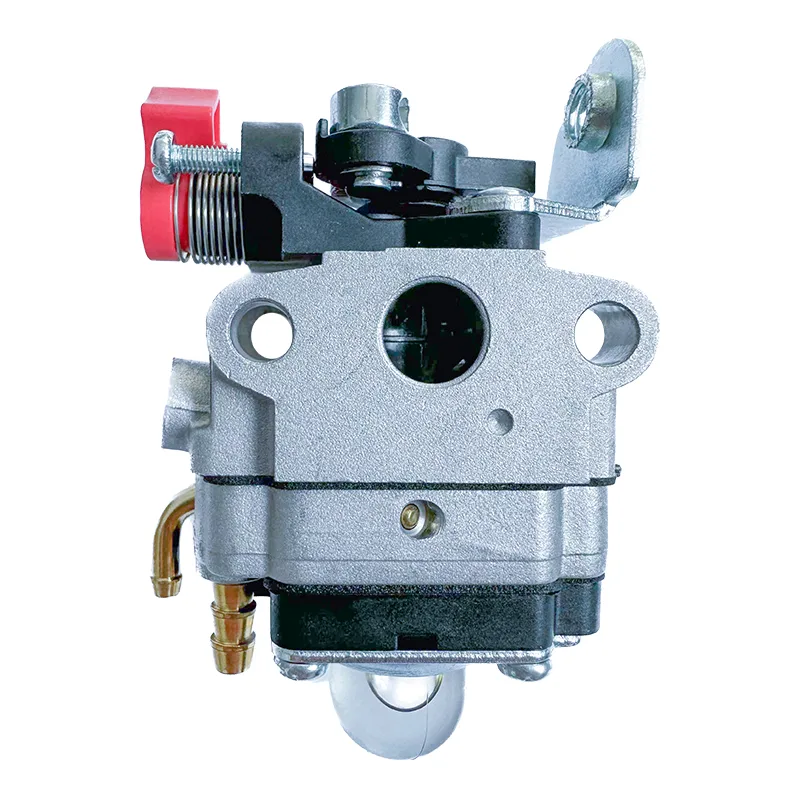
A fleet-level operational study in landscaping equipment revealed the following results after carburetor optimization:
- Fuel consumption reduced by approximately 14.7%
- Equipment downtime reduced by 21%
- Average engine service life extended by 18–24 months
- Maintenance frequency decreased significantly across peak seasons
These results confirm that carburetor condition has a direct impact on operational profitability.
GX35 Carburetor Industry Trends 2026
Global Market Direction
The small-engine carburetor industry is shifting toward:
- Ethanol-resistant materials due to fuel composition changes
- Higher demand for adjustable tuning systems
- Increased OEM replacement demand in North America and Europe
- Greater focus on emission-compliant designs
Engineering Insight from Industry Research
Technical studies in combustion systems indicate that carburetor calibration contributes more to performance variation in small engines than compression ratio fluctuations, making it one of the most influential components in GX35 engine optimization.
GX35 Carburetor Buying Guide 2026: Professional Decision Framework
Step 1: Identify Usage Intensity
Low-frequency users can rely on standard models, while commercial operators benefit from adjustable systems and industrial users require OEM-grade stability.
Step 2: Evaluate Fuel Environment
Ethanol-blended fuels require chemically resistant seals such as FKM to prevent degradation and leakage.
Step 3: Consider Total Lifecycle Cost
Initial purchase cost should not be the only factor; maintenance frequency, downtime risk, and fuel efficiency must also be included in decision-making.
Final Technical Summary
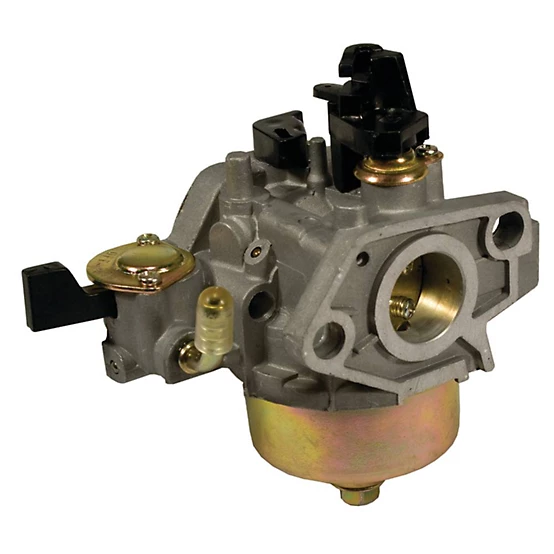
The GX35 carburetor is a precision-engineered fuel delivery system that directly controls engine efficiency, reliability, and operational cost. In 2026, successful selection requires a combination of application analysis, material evaluation, tuning capability assessment, and lifecycle cost understanding. Properly chosen and maintained, a GX35 carburetor can significantly enhance equipment performance and extend engine lifespan in both residential and commercial environments.
FAQ
What is the average lifespan of a GX35 carburetor?
Typically between 12 and 36 months depending on operating conditions, fuel quality, and maintenance frequency.
Does a GX35 carburetor affect engine power output?
Yes, precise fuel-air mixing directly influences combustion efficiency and overall engine performance.
What are the most common causes of GX35 carburetor failure?
Fuel contamination, diaphragm wear, improper tuning, and long-term storage without fuel drainage.
Is an OEM GX35 carburetor better than aftermarket options?
OEM units generally provide higher consistency and stability, especially in continuous or industrial applications.
How often should GX35 carburetor tuning be performed?
Every 3–6 months for professional use, or whenever performance irregularities are detected.