We’re thrilled to have you here. Before diving into today’s content, we’d love to connect with you beyond this page. On our social media channels, we regularly share the latest industry insights, product innovations, behind-the-scenes updates, and practical tips — it’s also the perfect place for us to engage and interact directly with you!
Follow us on:
- Facebook: Linyang Huayang Machinery Co., Ltd.
Let’s grow, learn, and innovate together
Table of Contents
Introduction
A small carburetor can determine whether a Honda GX35 engine starts on the first pull or leaves operators struggling with poor performance, excessive fuel consumption, and costly downtime. Despite the increasing popularity of fuel injection systems in larger engines, carburetors remain the preferred fuel delivery solution for many lightweight portable power equipment applications due to their simplicity, reliability, and ease of maintenance.
The Honda GX35 engine has become one of the most widely used 4-stroke mini engines in the world. It is commonly found in brush cutters, hedge trimmers, mist blowers, water pumps, earth augers, agricultural sprayers, and landscaping equipment. Because these machines often operate in demanding environments involving dust, moisture, vibration, and temperature fluctuations, selecting the correct Honda GX35 carburetor is critical for maintaining consistent engine performance.
Many equipment owners focus only on price when purchasing a replacement carburetor. However, experienced technicians understand that factors such as machining accuracy, fuel metering consistency, diaphragm material quality, corrosion resistance, emissions compliance, and supplier reliability can significantly impact the overall ownership experience.
In this comprehensive buying guide, you will learn:
- What a Honda GX35 carburetor does and why it matters
- Key technical specifications buyers should evaluate
- OEM vs aftermarket comparison
- Common carburetor failure modes
- Industry standards and quality certifications
- Maintenance best practices
- Supplier evaluation criteria
- Real-world application examples
- Frequently asked buyer questions
- Future trends in small-engine carburetor technology
Whether you are a distributor, equipment manufacturer, repair shop, fleet manager, or individual equipment owner, this guide will help you make a more informed purchasing decision.
What Is a Honda GX35 Carburetor?
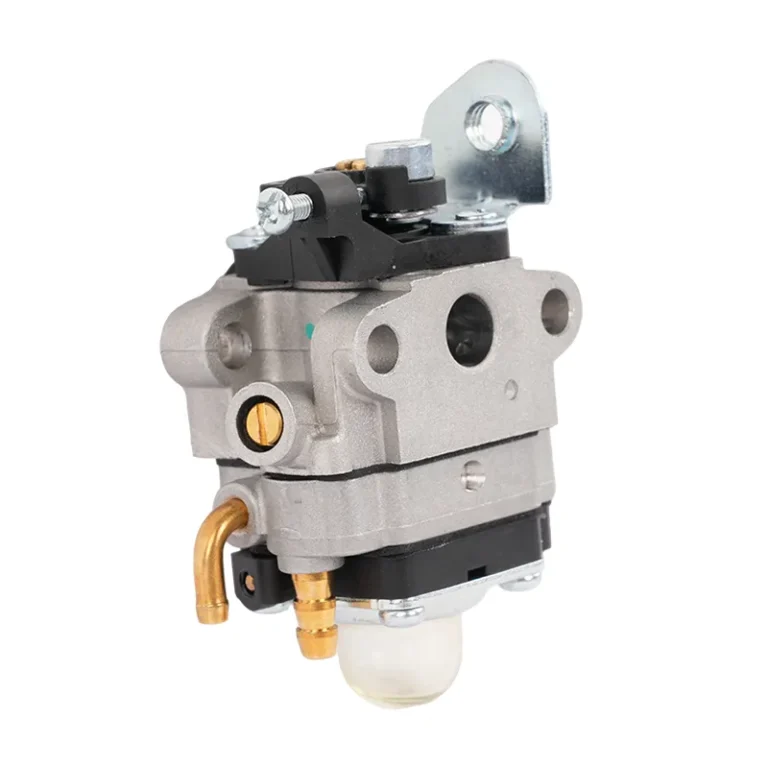
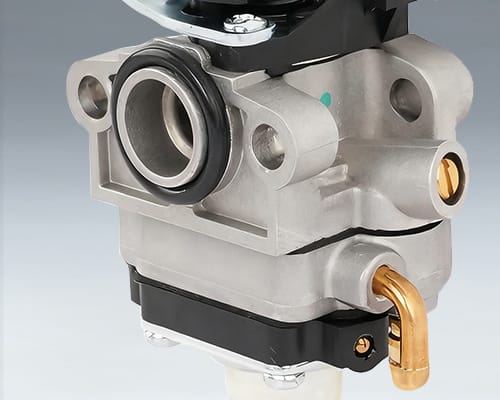
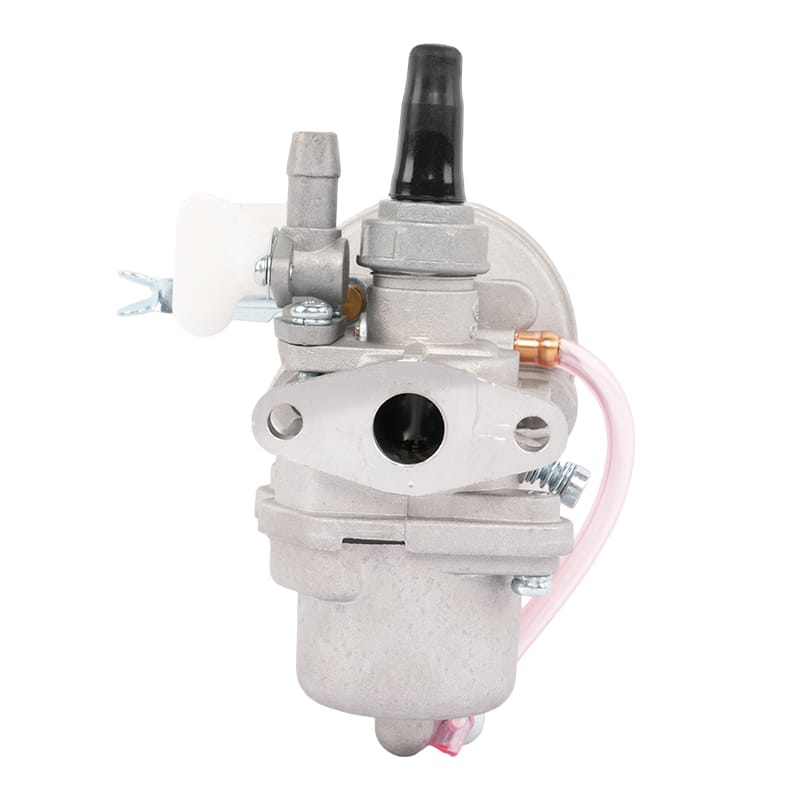
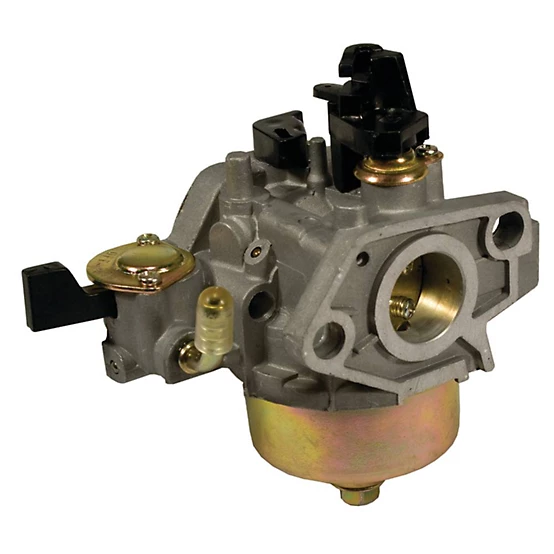
The carburetor is the component responsible for mixing fuel and air before combustion occurs inside the engine cylinder.
Without a properly functioning carburetor, even a high-quality engine cannot achieve optimal performance.
Basic Function of a Carburetor
The carburetor performs several important tasks:
- Metering fuel flow
- Mixing fuel with air
- Regulating engine speed
- Supporting cold starts
- Maintaining idle stability
- Responding to throttle inputs
The quality of these functions directly affects power output, fuel efficiency, emissions, and engine longevity.
Why Carburetors Are Still Important
Although electronic fuel injection dominates modern automotive applications, carburetors continue to offer several advantages for lightweight utility engines:
Simplicity
Fewer electronic components reduce maintenance complexity.
Lower Manufacturing Cost
Carburetors remain cost-effective for compact engine applications.
Easy Field Serviceability
Many repairs can be performed without specialized diagnostic equipment.
Proven Reliability
Decades of use in agricultural and industrial environments have demonstrated their durability.
Understanding the Honda GX35 Engine Platform
Before purchasing a replacement carburetor, it is important to understand the engine it serves.
Honda GX35 Engine Specifications
| Specification | Value |
|---|---|
| Engine Type | Air-cooled 4-stroke |
| Displacement | 35.8 cc |
| Bore × Stroke | 39 mm × 30 mm |
| Maximum Power | Approximately 1.0 kW |
| Maximum Speed | 7000 rpm |
| Fuel Type | Unleaded gasoline |
| Lubrication System | Splash lubrication |
| Dry Weight | Approximately 3.3 kg |
These specifications make the GX35 one of the most popular compact engines for portable outdoor power equipment worldwide.
Typical Applications
Honda GX35 engines are commonly used in:
- Brush cutters
- String trimmers
- Agricultural sprayers
- Tea harvesters
- Mist blowers
- Earth augers
- Portable pumps
- Construction tools
- Landscaping equipment
Each application places unique demands on the carburetor.
How a Honda GX35 Carburetor Works
Understanding the operating principles helps buyers recognize quality differences.
Air Intake Stage
Air enters through the air filter and moves toward the venturi section.
Venturi Effect
As airflow passes through the venturi, pressure decreases.
This pressure difference draws fuel into the airflow stream.
Fuel Atomization
Fuel breaks into fine droplets.
Smaller droplets improve combustion efficiency and engine response.
Combustion Mixture Formation
The carburetor maintains an appropriate air-fuel ratio under varying operating conditions.
Throttle Response
Opening the throttle increases airflow and fuel delivery simultaneously.
A high-quality carburetor ensures smooth transitions across different engine loads.
Why Carburetor Quality Matters
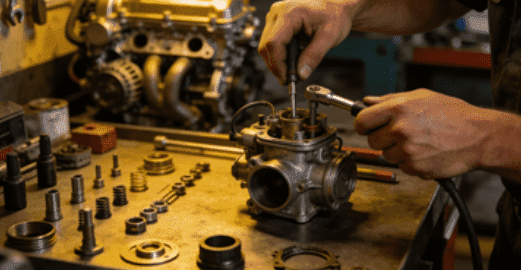
Many buyers underestimate the performance differences between carburetors.
Fuel Efficiency
Precision fuel metering reduces unnecessary fuel consumption.
Stable Idle Performance
Accurate machining helps maintain consistent idle speed.
Better Cold Starting
Well-designed choke systems improve cold-weather starting reliability.
Reduced Emissions
Efficient combustion contributes to lower exhaust emissions.
Longer Engine Life
Consistent fuel delivery reduces combustion-related wear.
Key Buying Factors for Honda GX35 Carburetors
Compatibility Verification
The most important purchasing consideration is compatibility.
Verify These Components
- Mounting dimensions
- Fuel inlet position
- Throttle linkage design
- Choke lever configuration
- Air filter interface
- Gasket dimensions
Even minor variations can create installation issues.
Manufacturing Tolerance
High-precision machining is critical.
Benefits of Tight Tolerances
- Consistent fuel flow
- Better idle stability
- Improved throttle response
- Reduced vibration
- Lower emissions
Material Selection
Material quality strongly influences service life.
Preferred Materials
- Die-cast aluminum alloy
- Stainless steel fasteners
- Ethanol-resistant diaphragms
- Fuel-resistant gaskets
- Corrosion-resistant coatings
OEM vs Aftermarket Honda GX35 Carburetors
OEM Carburetors
Original equipment products are manufactured according to original design specifications.
Advantages
- Excellent compatibility
- Reliable performance
- Consistent quality
- Strong technical support
Limitations
- Limited availability
- Longer lead times
- Less flexibility
Aftermarket Carburetors
Third-party manufacturers produce compatible alternatives.
Advantages
- Broad availability
- Wide supplier network
- Various quality levels
- Suitable for bulk procurement
Potential Risks
- Inconsistent quality
- Poor machining
- Inferior materials
- Compatibility concerns
Comparison Table
| Feature | OEM | Premium Aftermarket | Economy Aftermarket |
| Fitment Accuracy | Excellent | Very Good | Variable |
| Fuel Metering | Excellent | Good | Moderate |
| Material Quality | Excellent | Good | Basic |
| Durability | Excellent | Good | Moderate |
| Technical Support | Excellent | Moderate | Limited |
| Batch Consistency | Excellent | Good | Variable |
Industry Standards and Certifications
Professional buyers should evaluate compliance standards.
ISO 9001
ISO 9001 focuses on quality management systems.
Benefits include:
- Process control
- Documentation standards
- Product consistency
- Continuous improvement
IATF 16949
Although developed for automotive applications, many advanced carburetor manufacturers adopt similar quality principles.
RoHS Compliance
RoHS restricts hazardous substances in manufacturing.
Increasingly important in global export markets.
Environmental Compliance
Many regions now enforce stricter small-engine emissions regulations.
Examples include:
- EPA standards
- CARB requirements
- EU Stage V regulations
Common Honda GX35 Carburetor Problems

Hard Starting
Possible causes:
- Blocked jets
- Contaminated fuel
- Air leaks
- Faulty choke operation
Engine Stalling
Possible causes:
- Lean fuel mixture
- Fuel starvation
- Internal contamination
Excessive Fuel Consumption
Possible causes:
- Rich mixture
- Worn needle valve
- Improper adjustment
Surging
Possible causes:
- Air leaks
- Dirty fuel passages
- Fuel supply restrictions
Fuel Leakage
Possible causes:
- Damaged gaskets
- Cracked components
- Worn float systems
Understanding Fuel Quality Requirements
Fuel quality has a major impact on carburetor lifespan.
Ethanol-Blended Fuels
Many regions use E10 gasoline.
Potential challenges include:
- Moisture absorption
- Corrosion
- Seal deterioration
- Deposit formation
Recommended Storage Practices
- Use fresh fuel
- Store fuel in sealed containers
- Avoid prolonged storage
- Use stabilizers when necessary
Real-World Failure Analysis
Case Study: Landscaping Contractor
A landscaping company operating 40 GX35-powered brush cutters reported frequent starting issues.
Investigation Findings
Root causes included:
- Low-quality replacement carburetors
- Contaminated fuel storage containers
- Inconsistent maintenance schedules
Corrective Actions
- Upgraded carburetor supplier
- Implemented fuel filtration procedures
- Scheduled monthly inspections
Results
- Reduced downtime by approximately 30%
- Improved fuel efficiency
- Lower maintenance costs
Maintenance Best Practices
Daily Inspection
Check:
- Fuel leaks
- Loose fasteners
- Air filter condition
Weekly Maintenance
Inspect:
- Fuel lines
- Gaskets
- Linkages
Monthly Maintenance
Perform:
- Carburetor cleaning
- Fuel filter inspection
- Throttle adjustment verification
Seasonal Storage
Before long-term storage:
- Drain fuel system
- Clean carburetor
- Inspect seals
- Protect from moisture
Signs of a High-Quality Supplier
Technical Documentation
Professional suppliers provide:
- Engineering drawings
- Installation guides
- Inspection reports
- Product specifications
Manufacturing Capability
Indicators include:
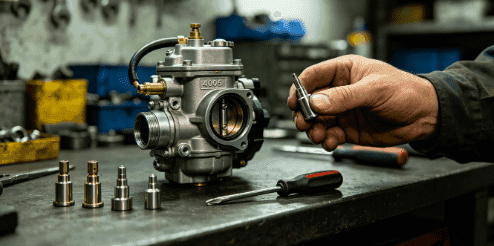
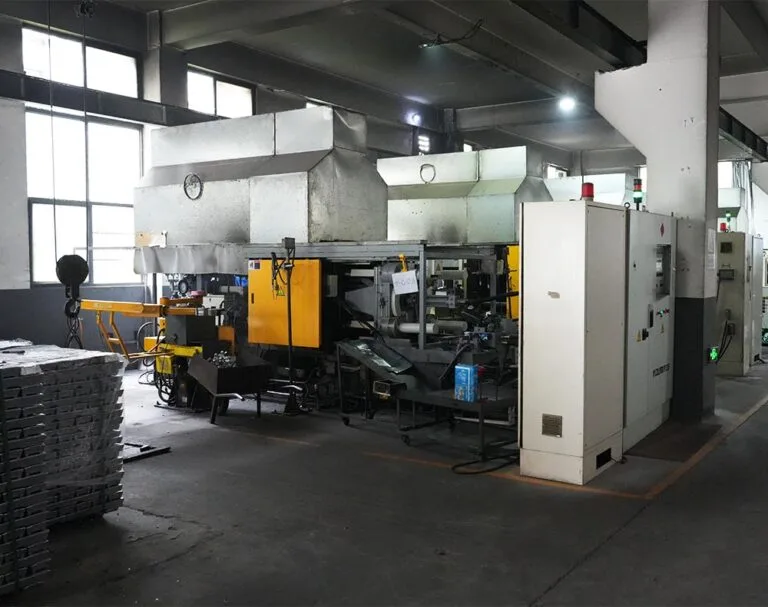
- CNC machining equipment
- Automated inspection systems
- In-house testing laboratories
Traceability Systems
Modern manufacturers implement batch tracking systems for quality assurance.
Emerging Trends in Carburetor Manufacturing
Advanced CNC Machining
Improves consistency and dimensional accuracy.
Improved Corrosion Resistance
New coatings enhance durability in humid environments.
Better Fuel Compatibility
Modern materials accommodate ethanol-blended fuels more effectively.
Stricter Emissions Requirements
Future designs will increasingly focus on cleaner combustion.
Conclusion
Selecting the right Honda GX35 carburetor requires more than simply matching a part number. Buyers should evaluate compatibility, manufacturing precision, material quality, fuel compatibility, supplier reputation, certification standards, and long-term maintenance requirements.
As global emissions regulations become stricter and equipment owners demand greater reliability, carburetor quality is becoming increasingly important. Investing in a well-manufactured carburetor can improve fuel efficiency, reduce downtime, extend engine life, and lower overall operating costs.
Whether you are purchasing a single replacement unit or sourcing carburetors for large-scale equipment production, understanding the technical and commercial factors discussed in this guide will help ensure a successful purchasing decision and long-term operational reliability.
FAQ
How do I know if my Honda GX35 carburetor needs replacement?
Symptoms include difficult starting, unstable idle, poor acceleration, fuel leakage, and reduced engine power.
Can I clean a carburetor instead of replacing it?
In many cases yes. Cleaning may restore performance if contamination is the primary issue.
How often should a carburetor be serviced?
Inspection intervals depend on operating conditions, but many professionals recommend periodic inspections every 50–100 operating hours.
Are all GX35 carburetors interchangeable?
No. Compatibility varies depending on production versions and equipment configurations.
What causes repeated carburetor failures?
The most common causes include contaminated fuel, poor maintenance practices, low-quality replacement parts, and prolonged fuel storage.
Is OEM always better than aftermarket?
Not necessarily. Premium aftermarket manufacturers can provide performance comparable to OEM products when proper quality controls are implemented.
How can I improve carburetor service life?
Use clean fuel, replace filters regularly, inspect gaskets, avoid moisture contamination, and follow preventive maintenance schedules.