We’re thrilled to have you here. Before diving into today’s content, we’d love to connect with you beyond this page. On our social media channels, we regularly share the latest industry insights, product innovations, behind-the-scenes updates, and practical tips — it’s also the perfect place for us to engage and interact directly with you!
Follow us on:
- Facebook: Linyang Huayang Machinery Co., Ltd.
Let’s grow, learn, and innovate together
Table of Contents
Key Takeaways
- Learn how to choose the right GX200 carburetor for different engine applications.
- Understand the structure, working principle, and key components of a carburetor.
- Compare OEM and aftermarket carburetors before making a purchasing decision.
- Discover how venturi size, jet calibration, and material quality affect engine performance.
- Explore common carburetor problems and practical maintenance methods.
- Review application recommendations for generators, pumps, tillers, pressure washers, and construction equipment.
- Compare different carburetor types through easy-to-understand tables.
- Find answers to frequently asked questions that buyers and equipment owners search online.
Introduction
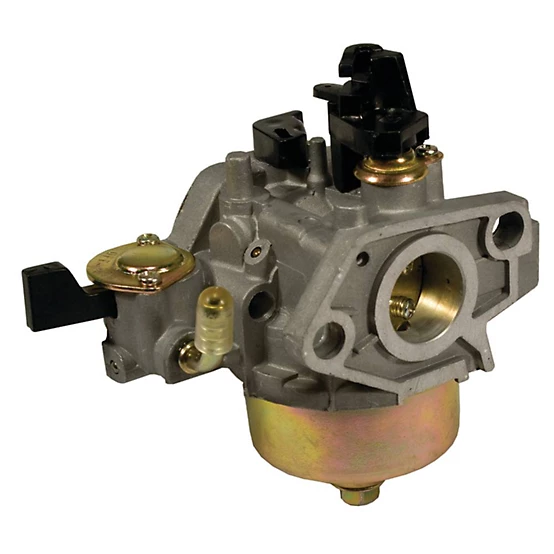
A small engine is only as reliable as its fuel delivery system. Whether powering a portable generator, agricultural tiller, pressure washer, water pump, concrete cutter, or recreational go-kart, the carburetor is responsible for delivering the precise mixture of air and fuel needed for efficient combustion. Even the most durable engine cannot perform at its best if the carburetor is poorly designed, incorrectly calibrated, or incompatible with the engine.
The GX200 carburetor has earned a strong reputation worldwide because of its compatibility with Honda GX200 engines and many 196cc to 212cc horizontal shaft engines used across multiple industries. However, with hundreds of replacement carburetors available on today’s market, selecting the right model has become increasingly challenging for equipment manufacturers, distributors, repair shops, and end users.
Some products prioritize low cost, while others emphasize durability, fuel efficiency, or high-performance output. Material quality, machining precision, jet calibration, sealing performance, and manufacturing consistency all contribute to the overall reliability of a carburetor.
This guide provides a comprehensive overview of how to evaluate, compare, and select the most suitable GX200 carburetor based on application requirements, operating conditions, and long-term maintenance considerations.
Understanding the GX200 Carburetor
What Is a GX200 Carburetor?
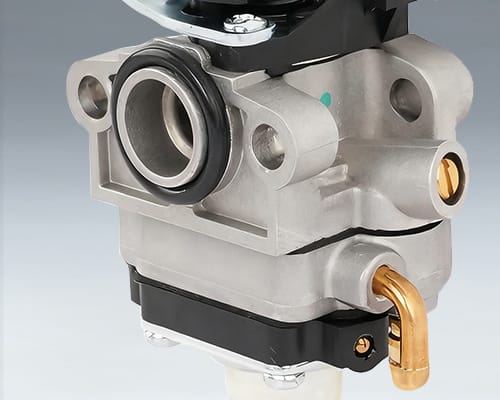
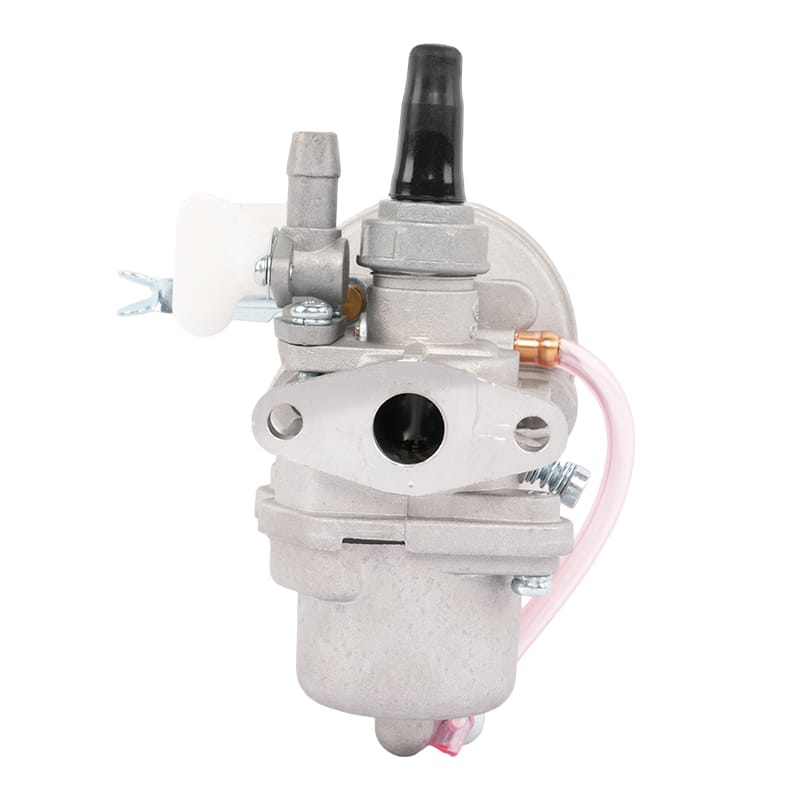
A GX200 carburetor is a mechanical fuel metering device designed to regulate the air-fuel mixture entering a small gasoline engine. It uses airflow generated during engine operation to draw fuel from the float chamber, atomize it into fine droplets, and deliver the correct mixture into the combustion chamber.
Unlike electronic fuel injection systems that rely on sensors and control units, carburetors operate entirely through mechanical principles. Their simple structure makes them easy to install, repair, and maintain while remaining highly reliable in demanding working environments.
Why Carburetor Selection Matters
Many engine performance problems originate from an unsuitable carburetor rather than the engine itself.
A properly selected carburetor helps achieve:
- Faster cold starting
- Stable idle speed
- Smooth throttle response
- Lower fuel consumption
- Improved combustion efficiency
- Reduced carbon deposits
- Longer engine service life
Conversely, choosing an incompatible carburetor can result in excessive fuel usage, unstable operation, engine hesitation, difficult starting, or premature component wear.
How a GX200 Carburetor Works
The Venturi Principle
The operating principle of a carburetor is based on the Venturi effect.
As air flows through the narrow venturi passage, its velocity increases while pressure decreases. This pressure difference draws fuel from the float bowl through calibrated jets. The fuel mixes with incoming air and forms a combustible air-fuel mixture before entering the engine cylinder.
Because the process depends entirely on airflow and pressure, the internal geometry of the carburetor must be manufactured with high precision to ensure consistent fuel delivery.
Fuel Metering Process
The fuel delivery cycle can be summarized in several stages:
Fuel Storage
Gasoline enters the float chamber, where a float and needle valve maintain a constant fuel level.
Air Intake
Fresh air passes through the air cleaner before entering the carburetor body.
Fuel Atomization
Fuel is drawn through the main jet and mixed with high-speed airflow inside the venturi.
Combustion Supply
The atomized mixture flows through the intake manifold into the combustion chamber, where it is ignited by the spark plug.
Each stage influences engine efficiency and overall performance.
Main Components of a GX200 Carburetor
Understanding the internal structure helps buyers evaluate product quality more effectively.
Carburetor Body
The carburetor body forms the main housing that supports all internal passages and components.
High-quality bodies are typically manufactured from precision die-cast aluminum alloy because of its excellent corrosion resistance, lightweight properties, and dimensional stability.
Float Chamber
The float chamber acts as a small fuel reservoir.
Its purpose is to maintain a constant fuel level regardless of engine operating conditions, ensuring consistent fuel delivery during acceleration and continuous operation.
Main Jet
The main jet controls fuel flow during medium and high engine speeds.
Different jet sizes influence:
- Maximum engine power
- Fuel economy
- Exhaust emissions
- Acceleration characteristics
Pilot Jet
The pilot jet regulates fuel supply during idle and low-speed operation.
An improperly sized or clogged pilot jet often causes:
- Rough idle
- Engine stalling
- Difficult starting
- Slow throttle response
Choke Valve
The choke temporarily restricts incoming air during cold starts, enriching the fuel mixture.
As the engine warms up, the choke gradually opens to restore the normal air-fuel ratio.
Throttle Valve
The throttle controls airflow entering the engine.
Opening the throttle increases airflow, allowing more fuel to enter and increasing engine speed.
Float Needle
The float needle opens and closes the fuel inlet based on fuel level inside the float bowl.
Its sealing quality directly affects:
- Fuel leakage
- Overflow prevention
- Fuel consumption
Types of GX200 Carburetors
Standard Replacement Carburetors
Standard carburetors are designed according to factory specifications.
Advantages include:
- Excellent compatibility
- Stable performance
- Easy installation
- Reliable fuel economy
These are ideal for generators, water pumps, and general-purpose equipment.
Heavy-Duty Carburetors
Heavy-duty models are intended for commercial and industrial equipment operating under continuous loads.
Typical features include:
- Reinforced throttle shafts
- Improved sealing components
- Wear-resistant internal parts
- Enhanced vibration resistance
They are commonly used in construction machinery and agricultural equipment.
High-Performance Carburetors
Performance-oriented carburetors feature larger venturi diameters and optimized airflow designs.
Benefits include:
- Higher airflow capacity
- Faster throttle response
- Increased horsepower
- Better high-speed performance
These carburetors are often selected for racing karts and modified engines.
Applications of the GX200 Carburetor
One reason for the popularity of the GX200 platform is its exceptional versatility.
Portable Generators
Generators require extremely stable engine speed to maintain consistent electrical output.
A properly calibrated carburetor minimizes voltage fluctuations while improving fuel efficiency during extended operation.
Water Pumps
Water pumps often operate continuously for long periods.
The carburetor must provide stable fuel delivery even under varying load conditions to prevent interruptions in water flow.
Pressure Washers
Pressure washers demand rapid throttle response whenever the trigger is activated.
A high-quality carburetor ensures smooth acceleration while reducing hesitation under sudden load changes.
Agricultural Tillers
Tillers frequently operate in dusty environments and under heavy mechanical loads.
Reliable carburetor performance helps maintain torque output while reducing fuel consumption during long working hours.
Plate Compactors
Construction equipment experiences constant vibration.
Heavy-duty carburetors with reinforced internal components provide better durability and operational stability.
Concrete Cutters
Concrete saws require continuous high-speed operation.
The carburetor must maintain consistent fuel delivery under elevated temperatures and heavy engine loads.
Recreational Go-Karts
Go-karts emphasize acceleration and maximum engine output.
Performance carburetors with optimized airflow can significantly improve throttle response and overall driving experience.
GX200 Carburetor Selection Factors
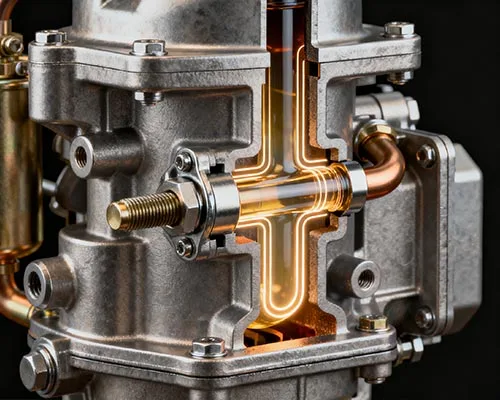
Selecting the right GX200 carburetor involves much more than simply matching the engine model. Professional buyers evaluate compatibility, airflow, fuel calibration, material quality, manufacturing precision, and expected operating conditions before making a purchasing decision. A properly selected carburetor not only improves engine performance but also reduces maintenance costs and extends equipment service life.
Engine Compatibility
The first and most important consideration is compatibility.
Before purchasing, verify the following specifications:
- Engine model number
- Engine displacement
- Mounting hole spacing
- Intake manifold diameter
- Air filter connection size
- Fuel inlet position
- Governor linkage design
- Choke lever orientation
Even small dimensional differences may prevent proper installation or cause unstable engine operation.
Venturi Diameter
The venturi is the narrow section inside the carburetor that controls airflow velocity.
Its diameter directly influences engine characteristics.
Smaller Venturi
Advantages include:
- Better low-speed torque
- Easier cold starting
- Improved fuel economy
- More stable idle speed
Suitable for:
- Water pumps
- Generators
- Tillers
- Pressure washers
Larger Venturi
Advantages include:
- Greater airflow
- Higher engine output
- Faster acceleration
- Better high-RPM performance
Suitable for:
- Racing engines
- Modified GX200 engines
- Go-karts
- Competition applications
Selecting the appropriate venturi size should always match the engine’s intended operating range rather than simply choosing the largest available option.
Main Jet Size
The main jet determines fuel delivery during medium and high engine speeds.
Choosing the correct jet size depends on:
- Engine displacement
- Air filter type
- Exhaust system
- Operating altitude
- Ambient temperature
Improper jet sizing can cause either a rich or lean fuel mixture, both of which negatively affect engine performance.
Pilot Jet Calibration
The pilot jet regulates fuel supply at idle and during initial throttle opening.
A properly calibrated pilot jet provides:
- Stable idle
- Smooth acceleration
- Reduced hesitation
- Easier restarting
Many carburetor issues that appear to be ignition problems are actually caused by a partially clogged pilot jet.
Float System Quality
The float assembly maintains the fuel level inside the float bowl.
Premium float systems provide:
- Consistent fuel supply
- Better overflow protection
- Stable combustion
- Improved fuel economy
Manufacturers generally use either brass or engineering polymer floats.
Both materials perform well when manufactured to precise tolerances.
Gasket and Seal Materials
Although inexpensive, gaskets play a critical role in carburetor reliability.
High-quality sealing materials provide:
- Better resistance to gasoline
- Improved temperature stability
- Longer service life
- Reduced air leakage
Poor-quality seals often become brittle after prolonged exposure to fuel, resulting in vacuum leaks and unstable engine operation.
OEM vs Aftermarket GX200 Carburetor
One of the most common questions buyers ask is whether to choose an OEM carburetor or an aftermarket replacement.
The answer depends on budget, performance requirements, and supplier quality.
| Comparison Item | OEM Carburetor | Quality Aftermarket Carburetor |
|---|---|---|
| Installation Accuracy | Excellent | Excellent |
| Manufacturing Consistency | Excellent | Very Good |
| Price | Higher | More Competitive |
| Availability | Limited | Widely Available |
| Replacement Parts | Readily Available | Readily Available |
| Performance Upgrades | Limited | Multiple Options |
| Delivery Time | Longer | Usually Faster |
Many professional equipment manufacturers now choose high-quality aftermarket carburetors because they offer competitive performance while reducing procurement costs.
Material Selection and Manufacturing Quality
Material quality directly affects durability, corrosion resistance, and service life.
Aluminum Alloy Carburetor Body
Most premium carburetors use precision die-cast aluminum alloy.
Advantages include:
- Lightweight construction
- Excellent heat dissipation
- Corrosion resistance
- High machining accuracy
Compared with low-grade castings, precision aluminum bodies maintain better dimensional stability after years of service.
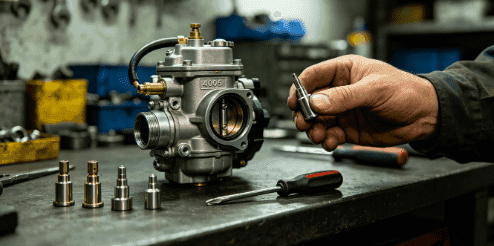
Brass Fuel Jets
Fuel jets are commonly manufactured from precision-machined brass.
Brass provides:
- Excellent wear resistance
- Stable fuel metering
- High corrosion resistance
- Easy cleaning
Low-quality jets often develop dimensional inconsistencies that affect engine calibration.
Stainless Steel Components
Many manufacturers now use stainless steel for:
- Springs
- Fasteners
- Linkage components
- Throttle shafts
These materials resist corrosion when equipment operates outdoors in humid environments.
Engineering Plastic Components
Modern engineering polymers have replaced conventional plastics in many internal components.
Benefits include:
- Better fuel resistance
- Reduced weight
- Improved dimensional stability
- Longer fatigue life
Precision Manufacturing Technologies
Today’s premium carburetors are manufactured using advanced production technologies.
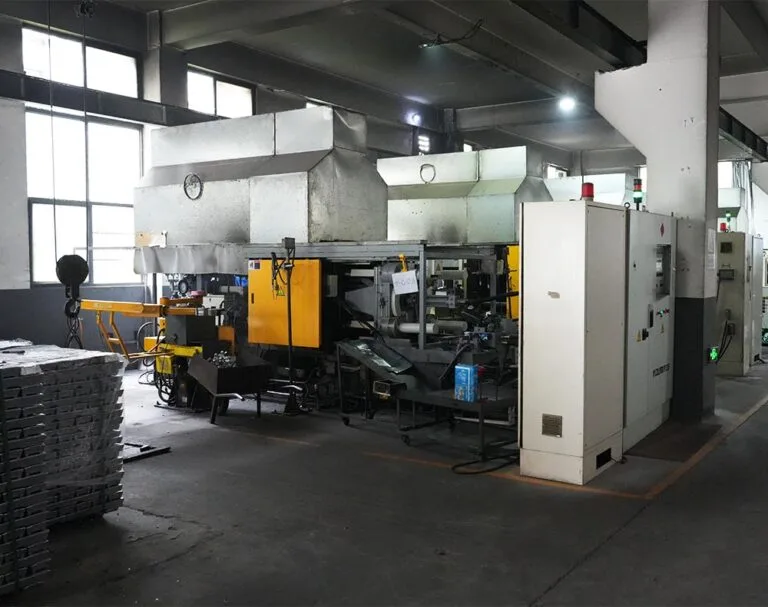
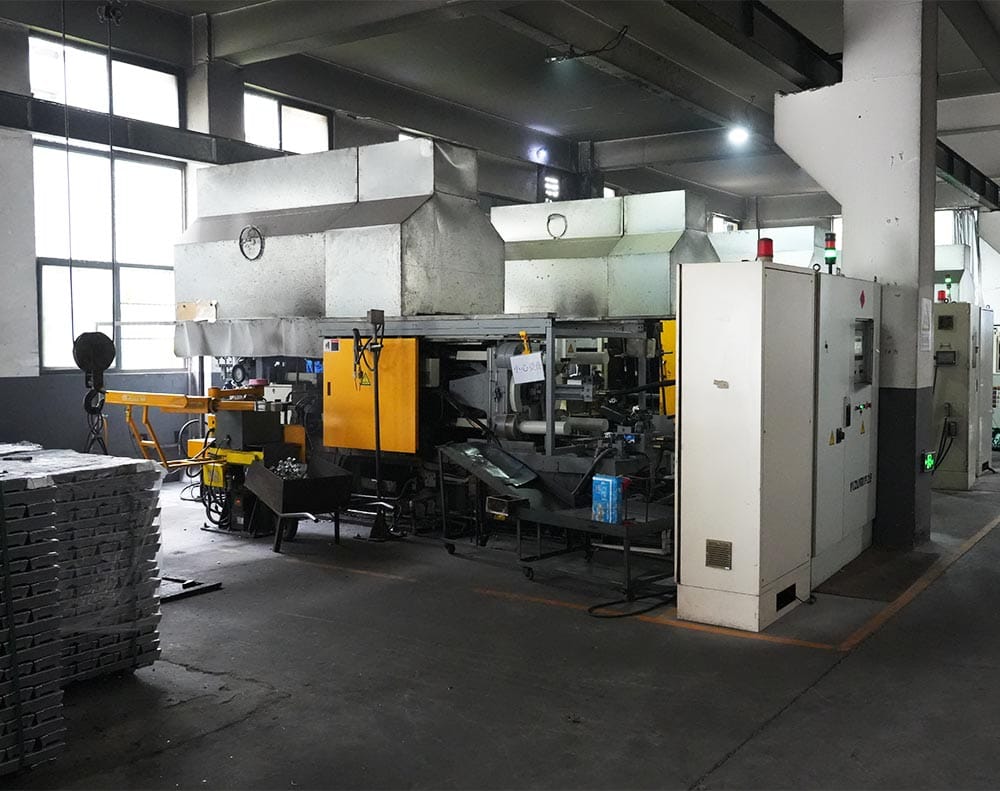
Precision Die Casting
High-pressure die casting produces:
- Dense aluminum structures
- Smooth internal passages
- Reduced porosity
- Consistent dimensional accuracy
This manufacturing process improves both durability and airflow characteristics.
CNC Machining
Computer numerical control machining ensures high precision.
Typical machining operations include:
- Venturi finishing
- Throttle bore machining
- Mounting surface milling
- Jet hole drilling
Modern CNC equipment can achieve tolerances within ±0.02 mm, ensuring excellent consistency between production batches.
Automated Assembly
Many leading manufacturers now use automated assembly lines to improve product consistency.
Advantages include:
- Reduced human error
- Faster production
- Uniform assembly quality
- Improved traceability
Functional Testing
Every qualified carburetor should undergo multiple inspections before shipment.
Common tests include:
- Air leakage testing
- Fuel leakage testing
- Float level inspection
- Idle calibration
- Throttle movement verification
- Visual quality inspection
These procedures help ensure every carburetor performs consistently under real operating conditions.
Understanding Air-Fuel Ratio
The efficiency of a carburetor largely depends on maintaining the proper air-fuel ratio.
For gasoline engines, the theoretical stoichiometric ratio is approximately 14.7:1, meaning 14.7 parts air to 1 part fuel.
In practice, different operating conditions require different mixtures.
| Engine Condition | Typical Air-Fuel Ratio | Performance Goal |
|---|---|---|
| Cold Start | 12:1 | Easier ignition |
| Idle | 13.5–14.5:1 | Stable operation |
| Normal Load | 14.7:1 | Balanced performance |
| Heavy Load | 12.8–13.2:1 | Maximum power |
| Economy Cruise | 15–16:1 | Better fuel efficiency |
Maintaining the correct ratio improves:
- Fuel economy
- Engine power
- Exhaust emissions
- Spark plug life
- Combustion efficiency
Environmental Factors Affecting Carburetor Performance
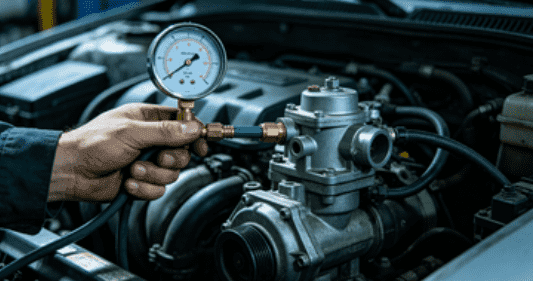
Even the best carburetor must be matched to its operating environment.
High Altitude
As elevation increases, air density decreases.
Without jet adjustment, engines often run too rich.
Typical symptoms include:
- Black exhaust smoke
- Power loss
- Increased fuel consumption
- Carbon deposits
High-altitude operation often requires a smaller main jet.
Ambient Temperature
Temperature influences fuel evaporation characteristics.
Cold climates usually require:
- Richer mixtures
- Longer choke operation
- Improved cold-start calibration
Hot climates benefit from leaner mixtures that reduce fuel evaporation losses.
Humidity
Although often overlooked, humidity affects oxygen concentration.
High humidity slightly reduces combustion efficiency, while dry conditions generally improve engine response.
Professional engine tuners often fine-tune carburetor settings based on seasonal climate changes.
Choosing a GX200 Carburetor for Different Industries
Different industries prioritize different performance characteristics.
| Industry | Primary Requirement | Recommended Carburetor Type |
|---|---|---|
| Agriculture | Fuel economy | Standard OEM-style |
| Construction | Durability | Heavy-duty reinforced |
| Rental Equipment | Reliability | Commercial-grade |
| Landscaping | Easy maintenance | Standard replacement |
| Recreational Racing | Maximum airflow | High-performance |
| Industrial Equipment | Continuous operation | Heavy-duty commercial |
Selecting the appropriate carburetor according to the working environment often provides better long-term value than simply choosing the lowest-priced product.
International Standards Related to GX200 Carburetor Quality
As international trade continues to expand, buyers increasingly evaluate suppliers based on compliance with recognized manufacturing and quality standards rather than price alone. Although a carburetor itself may not require mandatory certification in every market, manufacturers that follow internationally accepted production standards generally deliver more consistent products with lower defect rates.
For OEM customers, distributors, and equipment manufacturers, these standards provide confidence in production consistency, traceability, and long-term reliability.
ISO 9001 Quality Management System
ISO 9001 is one of the most widely recognized quality management standards in manufacturing.
Manufacturers operating under an ISO 9001-certified system typically implement:
- Standardized production procedures
- Incoming raw material inspections
- In-process quality monitoring
- Finished product inspections
- Corrective and preventive action systems
- Continuous improvement programs
For buyers, ISO 9001 certification often indicates a stable manufacturing process capable of delivering consistent quality across multiple production batches.
EPA Emission Considerations
Many GX200-compatible engines are exported to markets where emissions regulations continue to become stricter.
A properly designed carburetor contributes to lower emissions by providing accurate fuel metering throughout different engine operating conditions.
Optimized carburetors can help reduce:
- Hydrocarbon (HC) emissions
- Carbon monoxide (CO)
- Fuel evaporation losses
- Incomplete combustion
Although emission compliance depends on the complete engine system, carburetor calibration plays a major role in achieving cleaner combustion.
CARB Requirements
California Air Resources Board (CARB) regulations are among the most demanding small-engine emission standards in the world.
Manufacturers supplying engines or replacement components to North America often optimize carburetor performance to support CARB-compliant engine designs through:
- Improved idle stability
- More precise fuel metering
- Reduced evaporative fuel loss
- Better combustion efficiency
RoHS Material Compliance
Many manufacturers also ensure that production materials comply with RoHS environmental requirements.
This limits the use of hazardous substances such as:
- Lead
- Mercury
- Cadmium
- Hexavalent chromium
- Certain flame retardants
Using environmentally compliant materials supports sustainable manufacturing while meeting customer requirements in many international markets.
Performance Testing and Quality Inspection
Professional manufacturers conduct multiple inspections before every carburetor leaves the factory. These quality control procedures reduce failure rates and ensure consistent performance in the field.
Air Leakage Test
Air leakage can disrupt the air-fuel ratio and reduce engine efficiency.
During testing, technicians verify:
- Intake sealing
- Throttle shaft sealing
- Gasket integrity
- Vacuum stability
Proper sealing contributes to smoother idle speed and improved fuel economy.
Fuel Leakage Test
Fuel leakage is one of the most common causes of carburetor failure.
Testing confirms that:
- Float valves seal correctly
- Fuel passages remain leak-free
- Bowl gaskets provide proper sealing
- Overflow protection functions normally
Flow Rate Calibration
Each carburetor should deliver fuel within a specified flow range.
Flow testing evaluates:
- Main jet performance
- Idle circuit accuracy
- Float level consistency
- Overall fuel delivery stability
Consistent flow rates improve engine reliability and reduce performance variation between units.
Dimensional Inspection
Precision dimensions are essential for compatibility.
Typical inspection items include:
- Mounting hole spacing
- Intake bore diameter
- Air filter connection size
- Thread accuracy
- Linkage alignment
Computer-controlled measuring equipment helps maintain tight manufacturing tolerances.
Common GX200 Carburetor Problems and Solutions
Even a high-quality carburetor requires periodic inspection and maintenance. Understanding common issues allows operators to identify problems early and reduce equipment downtime.
| Problem | Possible Cause | Recommended Solution |
|---|---|---|
| Difficult starting | Clogged pilot jet | Clean or replace the pilot jet |
| Rough idle | Air leak or incorrect idle adjustment | Inspect gaskets and adjust idle screw |
| Black exhaust smoke | Rich fuel mixture | Check float level and main jet size |
| Engine hesitation | Dirty fuel passages | Clean internal passages thoroughly |
| Fuel overflow | Worn needle valve or float issue | Replace damaged components |
| Poor acceleration | Incorrect jet calibration | Install properly sized jets |
Preventive maintenance is usually more cost-effective than waiting for complete carburetor failure.
Maintenance Best Practices
Routine maintenance significantly extends the service life of both the carburetor and the engine.
Daily Inspection
Before operating equipment, check:
- Fuel hose condition
- Fuel leaks
- Throttle movement
- Choke operation
- External dirt accumulation
A simple visual inspection can prevent many unexpected failures.
Every 50 Operating Hours
Recommended maintenance includes:
- Cleaning the air filter
- Checking linkage movement
- Inspecting mounting bolts
- Verifying idle speed
These tasks help maintain stable engine performance.
Every 100 Operating Hours
Perform a more detailed inspection by:
- Removing the float bowl
- Cleaning the main and pilot jets
- Inspecting the float valve
- Replacing worn gaskets if necessary
Using fresh fuel and clean filters further improves reliability.
Long-Term Storage
When equipment will not be used for several months:
- Drain all gasoline from the carburetor
- Run the engine until fuel passages are empty
- Clean external surfaces
- Store equipment in a dry environment
- Cover intake openings to prevent dust and insects from entering
Proper storage minimizes varnish deposits and reduces the risk of clogged fuel passages.
Real-World Application Examples
Case Study 1: Portable Generator Fleet
A rental equipment company operating more than 150 portable generators experienced frequent carburetor clogging due to inconsistent fuel quality.
After switching to higher-quality replacement carburetors with improved machining accuracy and implementing scheduled maintenance every 100 operating hours, the company reported:
- Reduced maintenance downtime
- Improved starting reliability
- Lower annual repair costs
- More consistent generator performance
Case Study 2: Agricultural Equipment Distributor
An agricultural machinery distributor supplied tillers to regions with hot, dusty climates.
By selecting heavy-duty carburetors featuring corrosion-resistant materials and improved sealing performance, customer warranty claims related to fuel system issues decreased noticeably over the following operating season.
Case Study 3: Go-Kart Performance Upgrade
A recreational karting center upgraded its fleet with larger-venturi performance carburetors while maintaining appropriate jet calibration.
The result included:
- Faster throttle response
- Smoother acceleration
- More consistent engine output
- Improved driving experience for customers
This example demonstrates that carburetor selection should always align with the intended application rather than focusing solely on engine compatibility.
Future Trends in GX200 Carburetor Technology
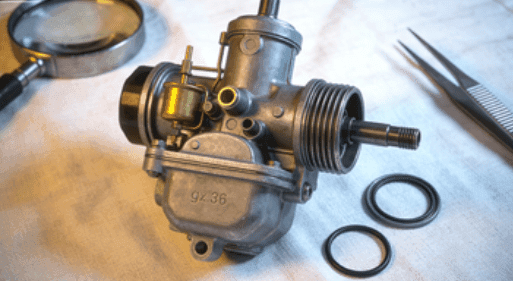
Although electronic fuel injection continues to grow in larger engines, carburetors remain highly relevant in the small-engine market due to their simplicity, affordability, and ease of maintenance.
Current industry trends include:
Higher Manufacturing Precision
Advanced CNC machining and automated inspection systems continue to improve dimensional consistency, reducing variation between production batches.
Improved Corrosion Resistance
New surface treatment technologies enhance resistance to moisture, ethanol-blended fuels, and harsh outdoor environments.
Better Fuel Efficiency
Optimized internal fuel passages and more accurate jet calibration help reduce fuel consumption while maintaining engine performance.
Sustainable Manufacturing
Manufacturers are increasingly adopting:
- Energy-efficient production equipment
- Recyclable packaging
- Environmentally compliant materials
- Digital quality traceability systems
These initiatives support greener manufacturing practices while improving supply chain transparency.
GX200 Carburetor Buying Checklist
Choosing a high-quality GX200 carburetor requires more than comparing prices. Buyers should evaluate technical specifications, manufacturing quality, supplier capabilities, and after-sales support to ensure long-term performance and value.
Use the following checklist before placing an order.
Compatibility Verification
Always confirm:
- Engine model
- Engine displacement
- Intake flange dimensions
- Mounting hole spacing
- Air filter connection size
- Fuel inlet direction
- Throttle linkage configuration
- Choke lever position
Verifying these details before purchase helps avoid installation problems and unnecessary returns.
Material Quality
A premium carburetor should feature:
- Precision die-cast aluminum body
- Brass main and pilot jets
- Stainless steel hardware
- Fuel-resistant rubber seals
- Durable engineering plastic float
These materials contribute to longer service life and better resistance to corrosion and wear.
Manufacturing Precision
Look for manufacturers using:
- CNC machining
- Automated assembly
- Precision inspection equipment
- Flow calibration testing
- Leak testing
Consistent manufacturing improves installation accuracy and engine performance.
Product Testing
Before shipment, reputable manufacturers typically inspect:
- Air tightness
- Fuel leakage
- Float level
- Idle operation
- Throttle movement
- Visual appearance
Products that undergo comprehensive testing generally have lower field failure rates.
How to Choose a Reliable GX200 Carburetor Supplier
A reliable supplier offers more than competitive pricing. Long-term partnerships depend on manufacturing capability, quality control, technical support, and consistent delivery performance.
Production Experience
Manufacturers with extensive experience often have:
- Mature production processes
- Stable supply chains
- Better engineering expertise
- More consistent product quality
Experience also improves the ability to support customized requirements.
Manufacturing Capacity
Evaluate whether the supplier has:
- Modern production workshops
- CNC machining centers
- Automated assembly lines
- Dedicated quality laboratories
- Sufficient monthly production capacity
Large-scale production usually improves delivery stability for bulk orders.
Research and Development
Strong R&D capabilities enable manufacturers to offer:
- Customized carburetor solutions
- Improved fuel efficiency
- Enhanced airflow design
- Product optimization for specific applications
Innovation is especially valuable for OEM projects.
Quality Control System
Professional suppliers implement quality control throughout production, including:
- Incoming material inspection
- Process monitoring
- Assembly inspection
- Performance testing
- Final quality audits
A documented quality management system reduces production variation and improves consistency.
Export Experience
International buyers should prioritize suppliers familiar with global markets.
Experienced exporters generally provide:
- Professional export packaging
- Flexible logistics options
- Complete documentation
- Responsive technical communication
- Stable international supply capability
Comparing Low-Cost and Premium Carburetors
| Comparison Item | Low-Cost Carburetor | Premium Carburetor |
|---|---|---|
| Material Quality | Basic | High-grade materials |
| Machining Accuracy | Moderate | High precision CNC |
| Fuel Efficiency | Average | Optimized |
| Installation Accuracy | Inconsistent | Excellent |
| Service Life | Shorter | Longer |
| Maintenance Frequency | Higher | Lower |
| Overall Value | Lower over time | Higher over lifecycle |
Investing in a quality carburetor often reduces maintenance costs, downtime, and replacement frequency over the life of the equipment.
Conclusion
The GX200 carburetor remains one of the most important components in small gasoline engine systems. From fuel metering and throttle response to fuel efficiency and long-term reliability, its performance directly affects the productivity of generators, agricultural machinery, construction equipment, pressure washers, water pumps, and recreational vehicles.
Selecting the right carburetor requires careful consideration of compatibility, venturi size, jet calibration, material quality, manufacturing precision, and intended application. Buyers who prioritize quality, consistent manufacturing, and professional technical support are more likely to achieve lower maintenance costs, improved engine efficiency, and longer equipment service life.
As manufacturing technology continues to advance through precision CNC machining, automated inspection, and stricter quality management systems, today’s high-quality GX200 carburetors deliver greater consistency and durability than ever before.
FAQ
How do I know if my GX200 carburetor needs replacement?
Common signs include difficult starting, unstable idle, poor acceleration, increased fuel consumption, fuel leakage, and reduced engine power. If cleaning and adjustment no longer restore normal performance, replacement is usually the most practical solution.
Can one GX200 carburetor fit different engines?
Many carburetors are compatible with Honda GX200 engines and numerous 196cc–212cc clone engines. However, compatibility depends on mounting dimensions, linkage configuration, intake size, and fuel system layout. Always verify specifications before purchasing.
Is an aftermarket GX200 carburetor as reliable as an OEM version?
A high-quality aftermarket carburetor manufactured with precision machining and strict quality control can provide performance comparable to OEM products. Choosing a reputable manufacturer is more important than simply selecting the lowest-priced option.
How often should a GX200 carburetor be cleaned?
Cleaning intervals depend on operating conditions and fuel quality. For equipment used regularly, inspecting and cleaning the carburetor approximately every 100 operating hours helps maintain stable performance. Dusty environments or poor-quality fuel may require more frequent maintenance.
What causes fuel leakage from a carburetor?
Fuel leakage is commonly caused by worn float needles, damaged gaskets, contaminated fuel, or incorrect float adjustment. Prompt inspection and replacement of worn components help prevent further engine problems.
Can a larger carburetor increase engine power?
A larger venturi can improve airflow at higher engine speeds, but it does not automatically increase power. The carburetor should match the engine’s displacement, camshaft, intake system, and intended operating conditions. Oversized carburetors may actually reduce low-speed performance.
Does fuel quality affect carburetor life?
Yes. Contaminated or old gasoline can leave varnish deposits that block internal fuel passages and jets. Using clean fuel and replacing fuel filters regularly significantly extends carburetor service life.
What should I check before installing a new carburetor?
Before installation, inspect the intake gasket, air filter, fuel line, throttle linkage, governor connection, and mounting surfaces. Proper installation ensures optimal engine performance and helps prevent air leaks.
Is regular maintenance really necessary if the engine runs normally?
Yes. Preventive maintenance helps remove contaminants before they cause problems, extending the service life of both the carburetor and the engine while reducing unexpected downtime.
Need a Reliable GX200 Carburetor Supplier?
Looking for a dependable GX200 carburetor manufacturer for OEM, ODM, or wholesale projects? High-quality suppliers provide precision-engineered carburetors with strict quality control, durable materials, and consistent performance across every production batch.
Whether you need standard replacement carburetors, customized specifications, or large-volume supply, professional manufacturers can offer technical support, flexible production solutions, and global delivery services.